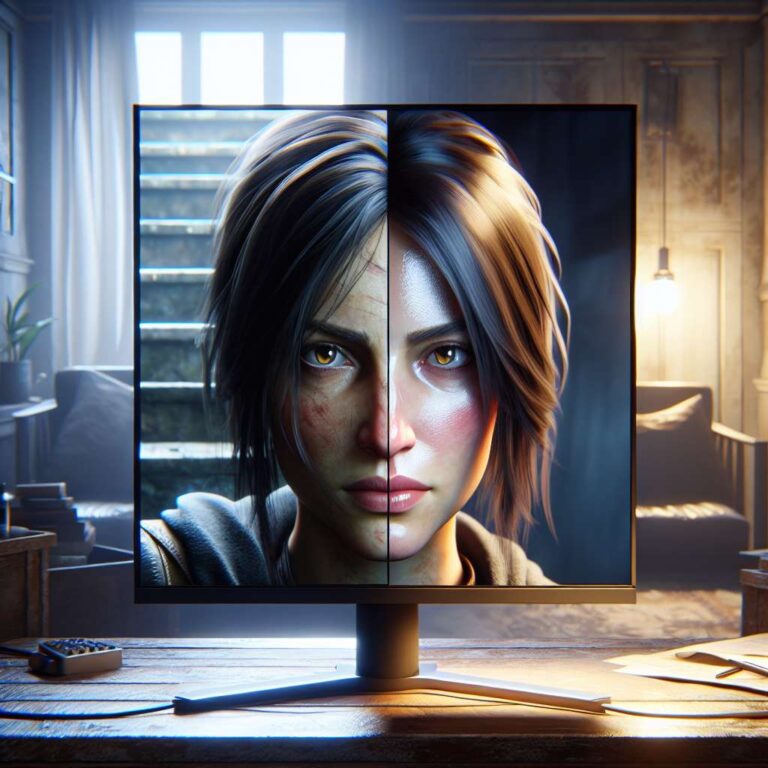
Reaction to Nvidia DLSS 5 is deeply split, with many responses focusing less on raw technical ambition and more on how the technology changes the look and feel of games. The strongest criticism centers on faces and human features, which are described as unnatural, plastic-looking, and disconnected from the original character designs. Several responses argue that the results fall into the uncanny valley and resemble beauty filters more than faithful visual upgrades.
Lighting and atmosphere are another major source of concern. Multiple comments say the technology brightens shadows, reduces fog, flattens scenes, and alters color balance in ways that conflict with a game’s intended mood. Critics argue that dynamic lighting crafted by developers is being overridden, producing scenes that feel sanitized or shifted toward an overcast, studio-lit appearance. Some responses suggest these visual issues may stem from model behavior and could change with future revisions, but current examples are seen as artistically disruptive.
Not all reaction is negative. A smaller group sees value in the approach as a technical demonstration and says the effect can look appealing on environments, props, and some lighting elements even if faces and hair remain problematic. There is also enthusiasm from people who view software-based image enhancement as a meaningful leap in graphics quality. Even among more optimistic responses, however, there is caution that the feature needs to become more subtle and more clearly directed by artistic intent before it can gain broader acceptance.
The discussion also reflects concern about how such tools fit into existing expectations for DLSS. Some participants worry that if this direction replaces earlier versions known for preserving visual quality while boosting performance, it would be a step backward. Others remain curious to see more footage or future implementations, but the dominant response in this discussion is that the showcased results change art direction too aggressively and fail to preserve the original atmosphere of the games being shown.