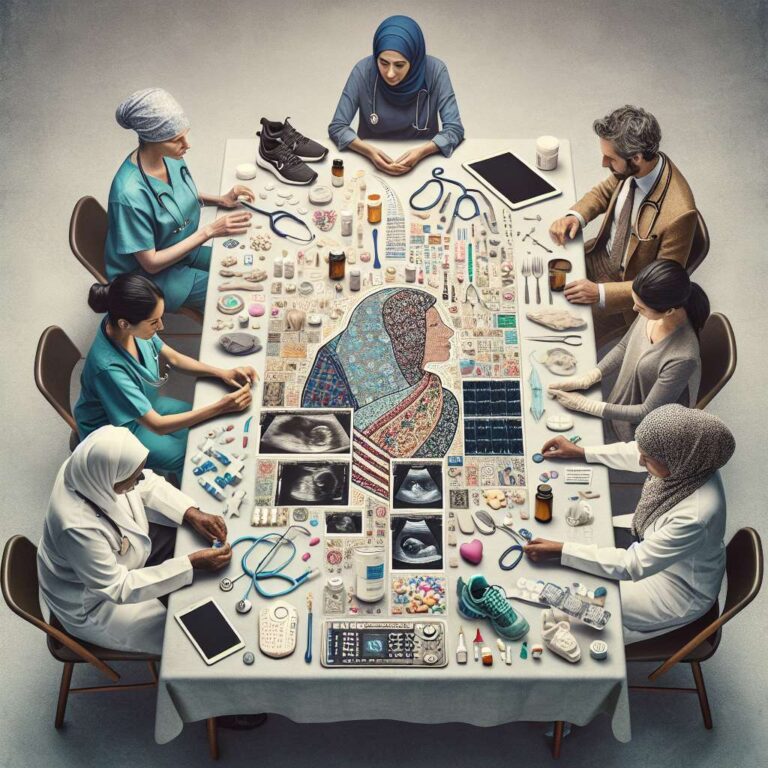
The WomenCare 2025 event on advancements in womens healthcare, nursing, and midwifery presents a structured program of sessions aimed at improving care and outcomes across the lifespan. The conference agenda foregrounds core areas such as mental health and wellness, chronic illnesses and preventive care, and healthcare accessibility and equity, positioning these themes as foundational to progress in womens health. The role of midwives in modern healthcare is treated as a distinct focus, alongside sexual health, preventive care, and broader themes of empowerment and advocacy for women in clinical and community settings.
The session list extends into specialized domains of clinical practice and innovation. Heart health for women and innovations in reproductive health are featured, reflecting ongoing efforts to address conditions and care needs that are often underrecognized or undertreated. Precision medicine and genomics in womens health appear as dedicated topics, indicating interest in tailoring treatments and risk assessments based on individual biological profiles. Telemedicine and digital health solutions for maternal care are highlighted as part of the digital transformation of perinatal services, suggesting a programmatic emphasis on remote monitoring, virtual consultation, and technology supported continuity of care.
Technology driven and procedural advances are a central thread across the conference sessions. Artificial Intelligence (AI) in womens healthcare is listed as a key topic, alongside 3D printing and bioprinting in reproductive medicine and advancements in robotic surgery for gynecology and obstetrics, pointing to a focus on next generation tools in diagnosis, treatment, and surgery. Additional sessions on wearable and smart devices for womens health monitoring and on regenerative medicine and stem cell therapies in womens health underline the interest in continuous tracking and novel therapeutic approaches. Blockchain and data security in womens healthcare are included to address the protection of sensitive information, while advancements in hormonal therapies and personalized endocrinology indicate an emphasis on tailored hormonal care. Artificial Intelligence (AI) and virtual reality in nursing and midwifery training, together with references to orthopaedic and plastic surgeons, round out a program that connects clinical specialties with emerging technologies in education and practice.