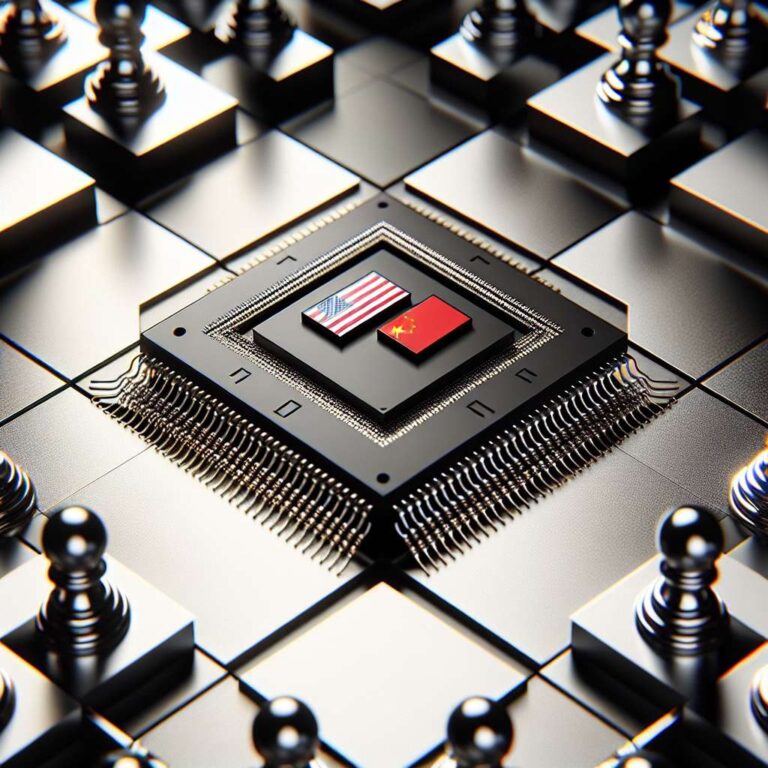
China’s State Administration for Market Regulation said an initial probe found Nvidia violated the country’s antimonopoly law in connection with its completed acquisition of an Israeli company in 2020. The regulator said the investigation was continuing and did not elaborate on the preliminary findings or say whether it would punish Nvidia. The announcement came during the latest round of U.S.-China trade talks and added pressure to negotiations that had been running on deadlines related to other disputes.
Beijing approved the deal after Nvidia agreed to conditions, including guarantees about chip supply to China. In December the regulator opened a probe into Nvidia’s Not stated acquisition of Mellanox Technologies. Since 2022, U.S. authorities have restricted Nvidia and other American vendors from selling many of their top-flight Artificial Intelligence chips to China, a move that forced Nvidia to halt shipments of its most advanced products. Antitrust lawyers said that compliance with U.S. export controls exposed Nvidia to criticism from Chinese regulators, who contend the company breached its 2020 pledge to provide uninterrupted supply and to treat Chinese customers equally.
The regulatory move intersected with other recent developments. In July, President Donald Trump permitted Nvidia to resume sales of its H20 chip used for Artificial Intelligence inference; Beijing later raised cybersecurity concerns and halted purchases until Nvidia cleared a regulatory review. Nvidia’s shares fell about 1% in morning trading after the announcement, and the company did not immediately respond to requests for comment. Observers quoted in the article said Beijing may be signaling that Nvidia is not a bargaining chip in talks and is advancing a broader push toward self-sufficiency in Artificial Intelligence. The piece notes Chinese firms such as Huawei, Alibaba and Baidu have increased use of domestically developed chips, and that China has been funding its chip industry more aggressively while still seeking access to foreign technology for now.