Representative Don Beyer (VA-08), co-chair of the House Artificial Intelligence Caucus, and Senator Edward J. Markey (D-Mass.), member of the Senate Environment and Public Works Committee, reintroduced the Artificial Intelligence Environmental Impacts Act of 2026. The legislation would require artificial intelligence data centers to report on their environmental and energy-related impacts, with fines levied for those that fail to comply. To develop the framework for corporate reporting, the measure would direct the National Institute of Standards and Technology to convene a consortium of experts responsible for establishing measurement standards.
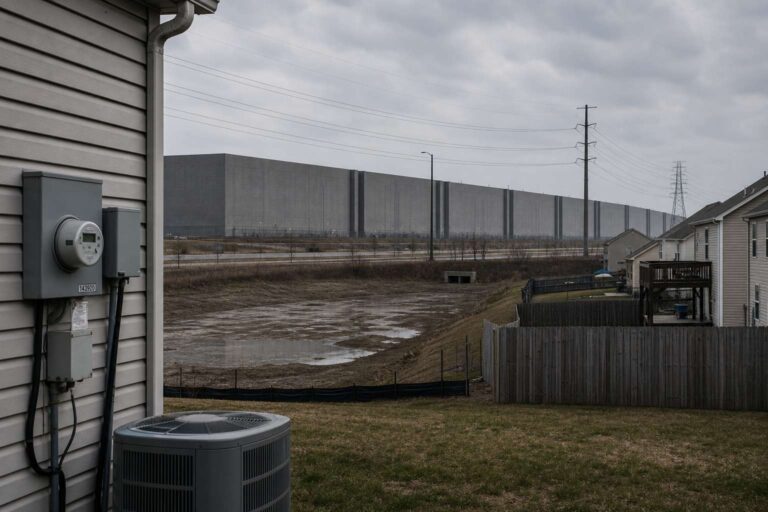
The bill would also require the Environmental Protection Agency, in conjunction with other relevant federal agencies, to compile and publish a comprehensive study on the environmental and energy-related lifecycle impacts of Artificial Intelligence and related infrastructure. Supporters point to effects already being felt in communities where Artificial Intelligence infrastructure is being built, including energy costs, air quality, water quality, noise and light pollution, and land use. They argue that those impacts are expected to grow while no comprehensive federal study or reporting requirement currently assesses their full scope.
The legislation is cosponsored by Senators Chris Van Hollen (D-Md.), Ron Wyden (D-Ore.), Cory Booker (D-N.J.), and Peter Welch (D-Vt), and Representative Nanette Barragán (CA-44). Beyer said the measure would improve data, coordination, and transparency so risks can be identified and addressed as Artificial Intelligence development advances. Markey said transparency from data center operators is a first step toward protecting communities affected by changes to air quality and monthly electricity bills.
The proposal has backing from the Center for Artificial Intelligence and Digital Policy, Public Citizen, Center for Biological Diversity, Union of Concerned Scientists, GreenLatinos, Food and Water Watch, Moms’ Clean Air Force, and the Natural Resources Defense Council. Endorsing groups said public reporting would help communities evaluate proposed data centers, reveal energy and environmental impacts, and support accountability for companies building Artificial Intelligence infrastructure.