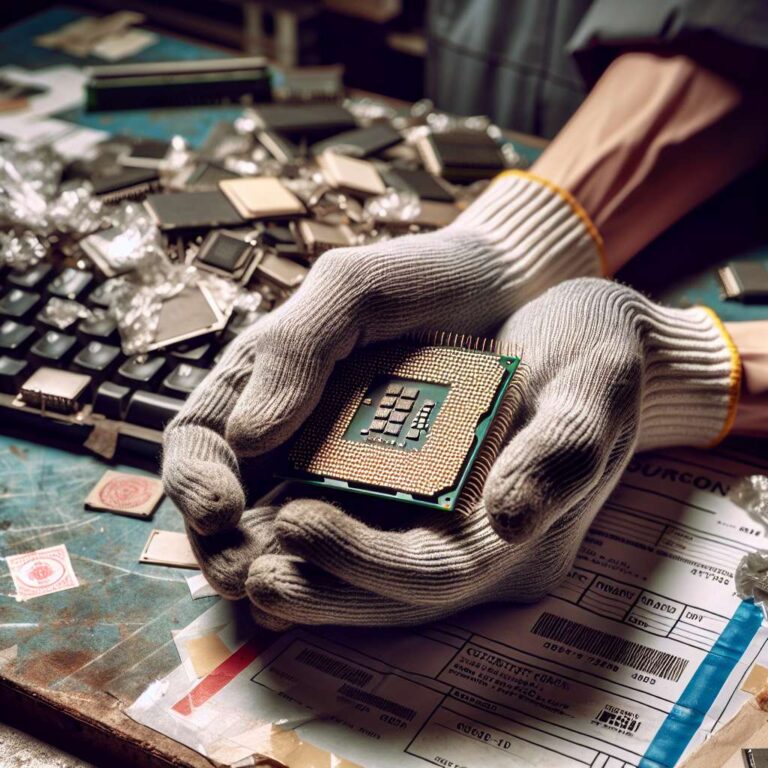
Despite a comprehensive US export ban targeting Nvidia´s highest-end artificial intelligence hardware, an active market for repairing these proscribed chipsets has emerged in China. Local technology companies, especially those in Shenzhen, are conducting large-scale repairs on defective H100 and A100 GPUs that have been smuggled into the country through unofficial channels. The growing number of repairs highlights both the scale of illegal imports and the grueling use these processors endure within China´s data centers dedicated to advanced artificial intelligence workloads.
Nvidia´s banned artificial intelligence chipsets remain crucial for the country´s thriving artificial intelligence sector, particularly at facilities focused on intensive data processing and training large language models. As these GPUs experience high failure rates due to 24/7 usage, local firms have swiftly filled the gap left by Nvidia, which cannot provide support in China under current export controls. Several Shenzhen-based companies now specialize in these intricate repairs, some handling hundreds of chipsets each month. These businesses simulate client environments using extensive in-house server farms, with repair costs per chip ranging from 10,000 to 20,000 yuan, driven by the nature and severity of the damage.
The widespread repair operations not only illustrate the persistence of the banned hardware in China but also point to ongoing large-scale imports, further evidenced by government and military procurement tenders seeking such technology. Meanwhile, US lawmakers are pushing for new chip-level tracking mechanisms to curb unauthorized secondary sales and cross-border movements. Although Nvidia has released the H20 artificial intelligence chip, crafted to comply with US regulations for China, it remains less appealing to operators due to weaker performance and high costs, failing to displace demand for the illicit H100 units. As that demand shifts, a burgeoning interest in Nvidia´s even more advanced B200 GPU—now finding its way to China exclusively via unofficial routes—demonstrates the sector´s relentless appetite for cutting-edge hardware, even at enormous price points exceeding 3 million yuan per server. This market underscores both the limitations of export bans and the lengths to which enterprises will go to secure top-tier artificial intelligence compute power.