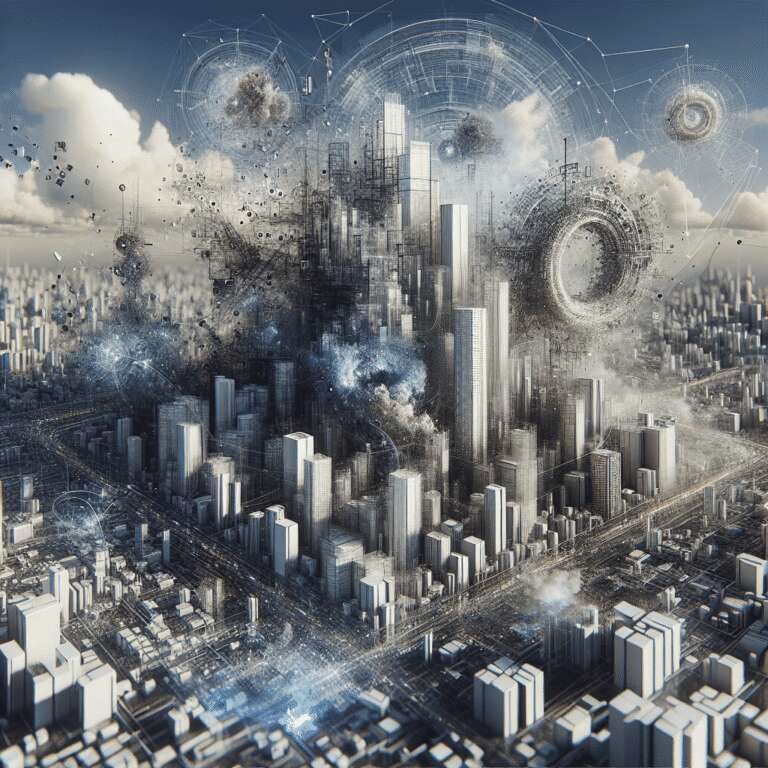
Architectural practice has traditionally been divided between what can be physically built and what can be creatively imagined, a tension often embodied in so-called ´paper architecture.´ Modern design technology has long supported these explorations, but recent advancements in artificial intelligence are rapidly accelerating the scope and ambition of theoretical projects, prompting architects to reexamine the very limits of the discipline.
The recent exhibition, ´Transductions: Artificial Intelligence in Architectural Experimentation´ at Pratt Institute, showcased work from over thirty practitioners investigating the experimental and generative capacities of artificial intelligence. Curators Jason Vigneri-Beane, Olivia Vien, Stephen Slaughter, and Hart Marlow highlighted that these projects arose from feedback loops amongst different architectural methods and media, ranging from imagery and animation to mixed-reality and fabrication. Rather than prioritizing immediate constructability, the exhibition focused on the early experimental phase of artificial intelligence deployment in architecture, emphasizing idea generation and the broadening of conceptual horizons.
Historically, technological innovation—from the pioneering Sketchpad software in 1963 to more recent programs such as Revit and BIM—has helped architects push beyond conventional form and function. Today, practitioners see artificial intelligence as a powerful tool and collaborator, rather than a threat to their profession. As Vigneri-Beane notes, creating compelling work with artificial intelligence requires significant expertise and time, enhancing both architectural vocabulary and visual acuity. Other contributors, like Olivia Vien and Andrew Kudless, emphasize artificial intelligence’s unique ability to generate unexpected outcomes and new design logic, while reminding peers that it is an evolving medium, not a replacement for established methods. These perspectives indicate that artificial intelligence is being cautiously yet ambitiously integrated into the ongoing evolution of architectural creativity.