
Artificial intelligence drives sustainable business through advanced supply chain management

To achieve true business sustainability, organizations must harness artificial intelligence to transform and optimize their supply chain operations.

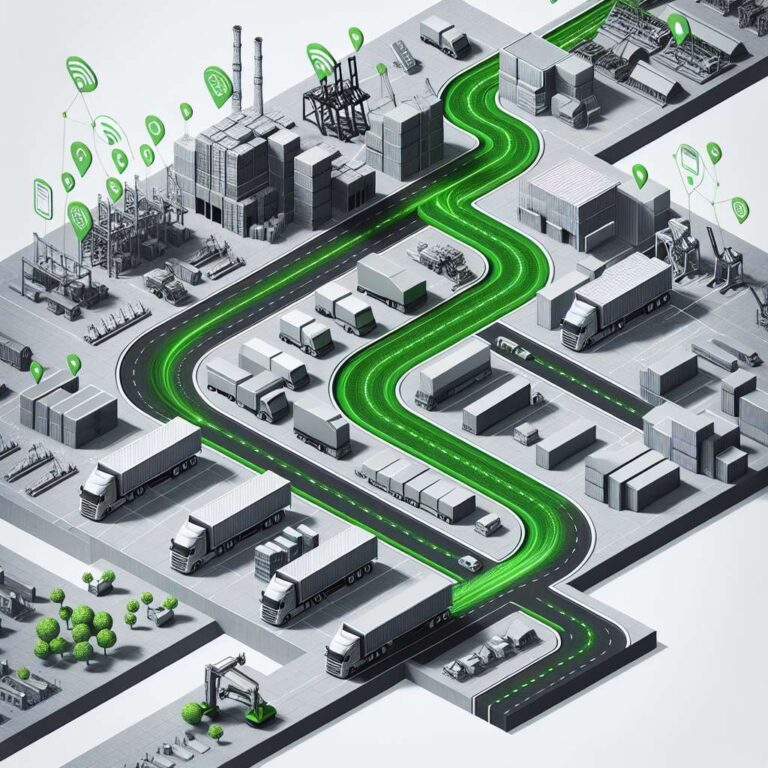
Artificial intelligence has emerged as a pivotal force in advancing business sustainability by revolutionizing supply chain management. Its ability to process vast datasets and extract actionable insights enables organizations to identify inefficiencies, reduce waste, and optimize procurement strategies. Through predictive analytics, artificial intelligence can anticipate market demand, adjust production schedules, and streamline logistics to cut both costs and environmental impact.

Complex supply chains have traditionally been difficult to manage, often resulting in redundancies and overlooked bottlenecks. Artificial intelligence-driven tools make it possible to enhance visibility across the entire network, whether sourcing raw materials or delivering finished products to end users. These technologies facilitate real-time responses to disruptions, such as fluctuating resource availability or geopolitical events, ensuring resilient operations that support long-term sustainability goals.

Furthermore, the integration of artificial intelligence within digital platforms fosters collaboration and transparency among suppliers, partners, and customers. Automated reporting and intelligent monitoring tools keep stakeholders informed about compliance standards, ethical sourcing, and carbon footprint metrics. As organizations increasingly commit to sustainability at the core of their operations, advanced technologies like artificial intelligence stand out as essential drivers in building robust, future-ready supply chains that balance profitability with environmental stewardship.
65

Impact Score

Uk regulators and banks assess cybersecurity risks from Anthropic model

UK financial regulators and major banks are assessing cybersecurity risks linked to Claude Mythos Preview, Anthropic’s new Artificial Intelligence model. Officials are co-ordinating with industry and national security bodies as concerns grow over the model’s ability to uncover critical system vulnerabilities.

Debate over Europe’s Artificial Intelligence ambitions intensifies

Discussion around Europe’s Artificial Intelligence strategy centered on whether the region is being held back by capital, culture, regulation, or fragmentation. Mistral’s push for a European playbook drew both support for digital sovereignty and criticism that it reads like a bid for political backing.

Anthropic restricts Claude Mythos over cybersecurity risks

Anthropic is limiting access to Claude Mythos Preview after warning that the model can identify and exploit severe software vulnerabilities. Banks, cybersecurity firms, and government officials are now evaluating how defensive use of the system can be balanced against the risks of misuse.

ASML raises EUV shipment target as memory demand grows

ASML plans to ship over 60 EUV lithography systems in 2026, up from 48 in 2025, as memory makers expand capacity for Artificial Intelligence data center demand. South Korea accounted for 45% of Q1 2026 revenue, reflecting strong purchases from major memory producers.

Contact Us

Got questions? Use the form to contact us.

Contact Form

Clicking next sends a verification code to your email. After verifying, you can enter your message.