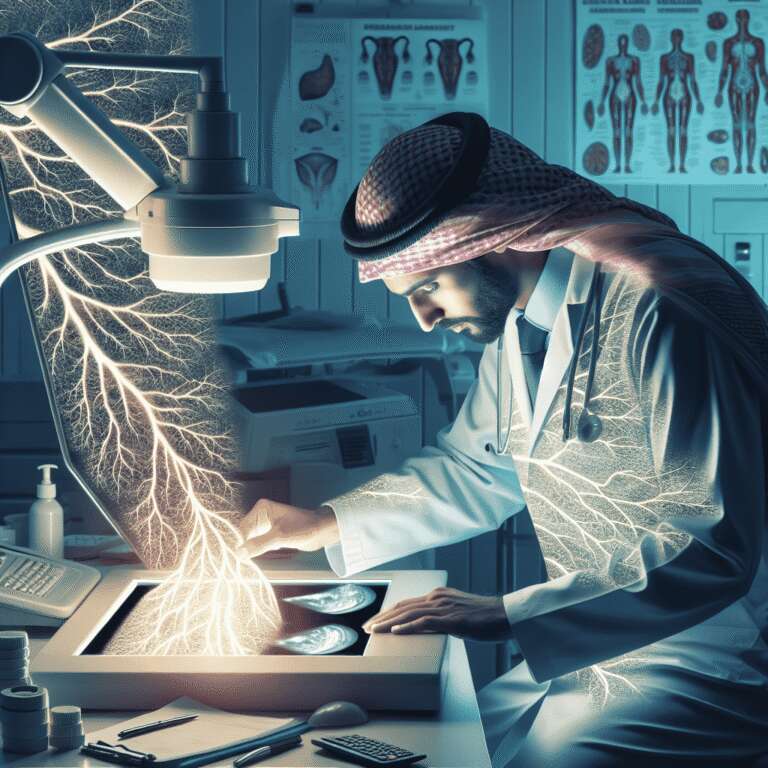
Breast cancer remains one of the most prevalent cancers affecting women worldwide, placing early detection and effective treatment at the forefront of ongoing medical research. In recent years, Artificial Intelligence has emerged as a transformative force in this field, offering new methods that have the potential to significantly enhance outcomes for patients. By leveraging advanced image analysis, machine learning algorithms trained on vast datasets can now identify subtle abnormalities on mammograms with a level of accuracy surpassing human expertise, reducing both false positives and missed diagnoses.
Notably, researchers at MIT have introduced Artificial Intelligence models capable of predicting breast cancer risk up to five years before clinical manifestation by analyzing tissue patterns that are invisible to the naked eye. Further advancements include Artificial Intelligence models that determine the progression risk of ductal carcinoma in situ (DCIS), a preinvasive breast cancer, providing more nuanced insights into who might benefit from aggressive treatment versus monitoring, thus reducing overtreatment and supporting truly personalized care. Beyond detection, Artificial Intelligence systems are aiding pathologists and oncologists by quickly analyzing biopsy images and genetic data, allowing for rapid, accurate cancer subtype identification and helping to tailor individualized treatment plans.
Artificial Intelligence is also expanding its role in patient monitoring and post-treatment care. Wearable devices and mobile apps powered by Artificial Intelligence now enable real-time tracking of patient health metrics, alerting healthcare teams to early signs of recurrence or instability. While these technological breakthroughs are promising, the reliability of Artificial Intelligence models depends on the quality and diversity of the data used for training, with concerns about performance disparities among underrepresented populations. Additionally, ethical issues surrounding patient data privacy and the need to maintain the role of human healthcare professionals are being actively discussed. Despite these challenges, the integration of Artificial Intelligence into the continuum of breast cancer care signals a promising future where earlier detection, personalized treatments, and improved monitoring could change the landscape of cancer survival and quality of life.