
Apple Set to Launch ´Vision Air´ Mixed Reality Headset by Early 2026

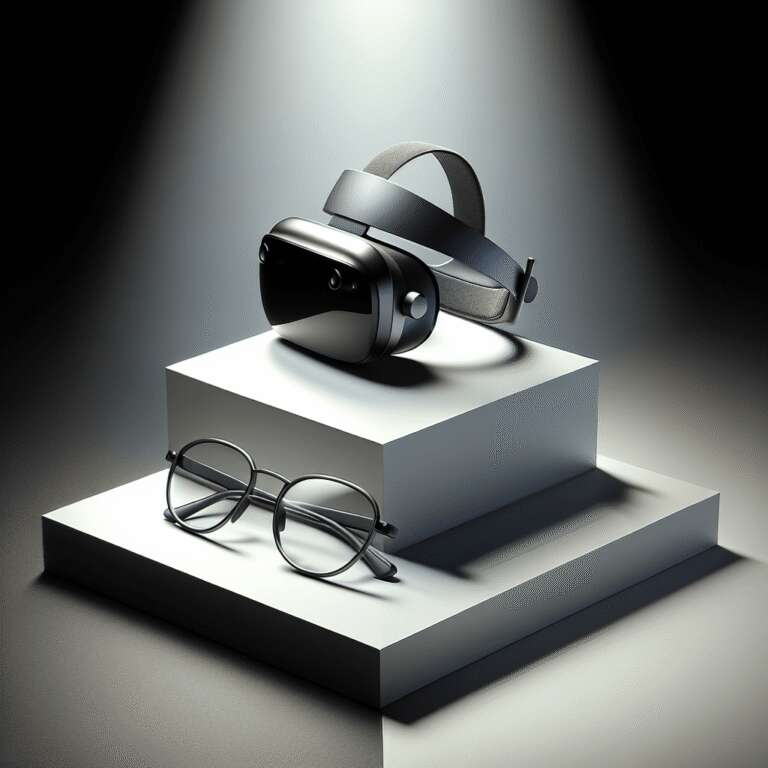
Apple´s next wave of mixed reality headsets reportedly includes a lightweight, more affordable ´Vision Air´ model with a potential launch as early as late 2025.

Apple´s mixed reality headset lineup is poised for expansion, with credible leaks and supply chain activity signaling the development of two distinctive new models. Recent images hint at ´Vision Air´-branded external components, including a prospective dark blue variant, adding weight to speculation about next-generation devices. Manufacturing partners in China are said to be moving into mass production for key ´Vision Pro 2´ hardware, underscoring Apple´s commitment to this sector despite post-launch struggles of the original Vision Pro.

Industry analyst Mark Gurman, through his ´Power On´ newsletter, revealed that Apple is prioritizing a lighter, cost-effective headset and a Mac-tethered model designed for high-performance needs. According to Gurman, the more affordable headset—possibly named ´Vision Air´—could debut between late 2025 and mid-2026. This lighter device is assumed to target a broader consumer base, particularly in gaming, positioning itself against established competitors like Meta´s Quest 3. Apple´s approach is reportedly not to abandon the category, but to recalibrate its strategy toward increased accessibility and appeal.

While details remain closely guarded, the roadmap also alludes to a premium Vision Pro successor following the release of the ´Vision Air.´ This flagship model is anticipated to cater to professional and productivity-focused markets and could arrive later in 2026. The existing uncertainty revolves around whether ´Vision Air´ will replace the Vision Pro outright or simply offer a more affordable entry point into Apple´s mixed reality ecosystem. The evolving product strategy suggests Apple is determined to gain a firmer foothold in the mixed reality space, leveraging its next-gen devices to capture both mainstream and high-end segments.
53

Impact Score

Pope Leo frames Artificial Intelligence as a media power struggle

Pope Leo XIV’s first encyclical casts Artificial Intelligence as a moral question of power, labor, and collective responsibility, offering publishers a framework for negotiating with technology companies. The broader media landscape is also shifting as AP supplies election data to ChatGPT, YouTube expands labeling of Artificial Intelligence video, and search traffic declines for publishers.

Why the U.S. leads Europe in Artificial Intelligence adoption

Survey evidence shows U.S. workers and firms are adopting Artificial Intelligence faster than their European counterparts. The gap appears to be driven not only by workforce composition, but also by stronger managerial support and greater workplace encouragement to use the technology.

FluxMem brings dynamic memory to large language model agents

FluxMem reframes memory for large language model agents as a dynamic graph that evolves with feedback, task variation, and long-term use. The approach is designed to reduce the brittleness of static memory systems and improve reliability in complex environments.

Microsoft and NVIDIA hint at N1X Windows 11 launch

Microsoft and NVIDIA signaled a joint Windows 11 push around the N1X, framing it as a new era of PC. The upcoming Arm chip is positioned to bring Copilot+ acceleration and challenge the fastest Windows processors in its class.

Contact Us

Got questions? Use the form to contact us.

Contact Form

Clicking next sends a verification code to your email. After verifying, you can enter your message.