
Apple Revamps OS Version Naming to Year-Based Labels

Apple will switch to year-based version labeling for its entire software lineup at WWDC 2025, introducing features like Artificial Intelligence battery optimization and a major interface redesign.

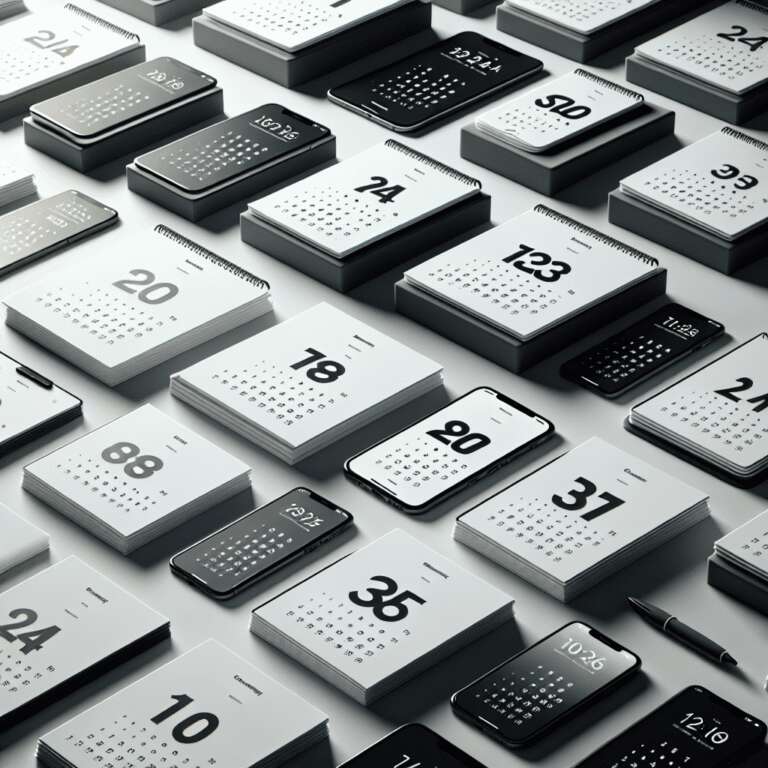
Apple is set to overhaul its operating system branding across all platforms at the Worldwide Developers Conference (WWDC) in 2025. Moving away from sequential version numbers, the company will adopt year-based version labels, marking each software release with the following year. For example, iOS 18 will become ´iOS 26´, and other OS products like iPadOS, macOS, watchOS, tvOS, and visionOS will follow suit, all getting the ´26´ designation for their fall 2025 versions. Apple emphasizes that this system aims to mirror its typical fall release schedule, creating clearer, more uniform recognition for users and developers regarding operating system updates on different devices.

Alongside the revamped naming scheme, Apple intends to introduce a redesigned user interface, codenamed ´Solarium.´ This refreshed look will be consistent across all platforms, featuring a brighter color palette and harmonized layout elements. The goal is to create a smoother and more familiar transition for users as they move between devices like iPhone, iPad, and Mac. Apple expects that by unifying the user experience visually and through versioning, its ecosystem will feel even more tightly integrated and simpler to navigate.

This software update will also bring an array of new features to the Apple device lineup. Highlights include a battery optimization mode driven by Artificial Intelligence, an intelligent health assistant, real-time translation for AirPods, and enhanced input tools such as a bidirectional Arabic-English keyboard and a digital calligraphy utility for Apple Pencil. Apple´s approach echoes strategies used by Samsung and Microsoft, with Samsung naming its Galaxy S series for the release year and Microsoft previously adopting year-based branding for Windows 95 and 98. However, Apple distinguishes itself by naming its software after the forthcoming calendar year, similar to automotive industry practices for new models, suggesting subsequent releases such as ´27´ could follow in future years.
52

Impact Score

What businesses need to know about the EU cyber resilience act

The EU cyber resilience act is turning product cybersecurity into a legal requirement for companies that sell digital products into the European Union. A key compliance milestone arrives in September 2026, well before the full regulation takes effect in 2027.

Claude Mythos and cyber insurance’s next inflection point

Claude Mythos is being treated by governments and regulators as a potential systemic cyber risk with implications for financial stability and insurance markets. Its emergence is intensifying pressure on insurers to clarify whether Artificial Intelligence-enabled cyber losses are covered, excluded, or require new stand-alone products.

OpenAI expands ChatGPT ads with self-serve manager

OpenAI is widening its ChatGPT ads pilot with a beta self-serve Ads Manager, new bidding options and broader measurement tools. The push signals a deeper move into advertising as the company expands the program into several international markets.

OpenAI launches Artificial Intelligence deployment consulting unit

OpenAI has created a new consulting and deployment business aimed at helping enterprises build and roll out Artificial Intelligence systems. The move mirrors a similar push by Anthropic and signals a broader effort by model providers to capture more of the enterprise services market.

SK Group warns DRAM shortages could curb memory use

SK Group chairman Chey Tae-won warned that customers may reduce memory consumption through infrastructure and software optimization if DRAM suppliers fail to raise output. Demand from Artificial Intelligence data centers is keeping the market tight as memory makers weigh expansion against the long timelines for new fabs.

Contact Us

Got questions? Use the form to contact us.

Contact Form

Clicking next sends a verification code to your email. After verifying, you can enter your message.