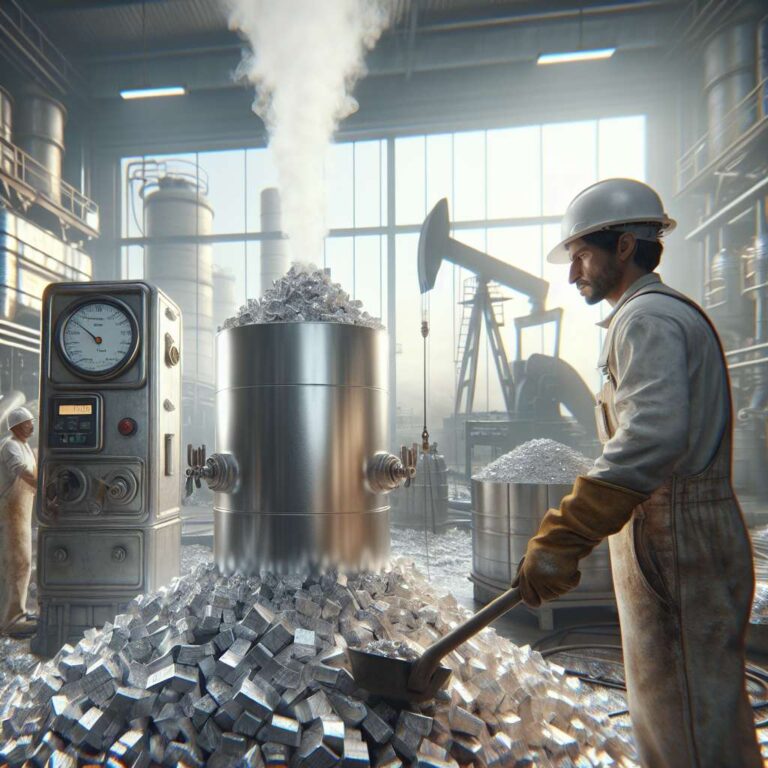
Found Energy, a Boston startup, has activated what it says is the largest aluminum-water reactor ever built, aiming to unlock the energy stored in scrap aluminum to power industrial processes without fossil fuels. Early next year, the company plans to install the larger system at a tool manufacturing facility in the southeastern United States, where it will provide heat and hydrogen using the plant’s own aluminum waste as fuel. The technology employs a catalyst to rapidly release energy from aluminum, and if it scales as intended, it could convert a growing share of aluminum scrap into a zero-carbon fuel.
In parallel, Rondo Energy has switched on what it calls the world’s largest thermal battery, an energy storage system that absorbs electricity and delivers steady heat. The approach is straightforward: use electricity to heat durable, low-cost materials such as bricks, then draw on that stored heat later for industrial processes or electricity generation. With industrial heat accounting for 20% of global energy demand and largely supplied by fossil fuels, thermal batteries could help cut emissions. However, Rondo’s initial deployment is being used for enhanced oil recovery, a choice critics argue extends the life of polluting infrastructure.
The newsletter’s broader tech roundup spans safety, research, and legal battles. The parents of a teen who died by suicide allege OpenAI weakened ChatGPT’s suicide protections after loosening discussion rules twice, claiming the company did so to boost usage and accusing it of intentional misconduct in an amended lawsuit. Google says a new quantum algorithm on its Willow chip outperforms a supercomputer, potentially speeding up drug and materials discovery, though practical applications remain years away. Reddit is suing artificial intelligence search engine Perplexity for allegedly scraping its data and is seeking a permanent injunction on companies selling its data.
Other highlights include China’s five-year plan to achieve technological self-reliance with a focus on semiconductors and artificial intelligence, DeepSeek’s rapid growth in Africa thanks to cheaper and less power-intensive models, and Elon Musk’s ambition to build a robot army with medical aspirations for Optimus. Apple has removed the Tea and TeaOnHer dating apps over privacy and moderation issues, Tesla reported sharply lower profits despite higher vehicle sales and faces Cybertruck recalls, an AWS outage disrupted some smart beds, and the simple appeal of Apple’s TextEdit gets a nod.
Quote of the day: Google DeepMind researcher Madhavi Sewak says she is excited that nerds are having their moment as artificial intelligence experts gain recognition. In science, work continues beyond the Higgs boson discovery at CERN’s Large Hadron Collider, with researchers repurposing detectors, applying machine learning, and planning new colliders to probe unresolved questions. For lighter fare, the newsletter points to Mexico City’s zombie parade, travel tips for Japan, a stylish people list, and even Neolithic chewing gum.