
Google expands Stitch for Artificial Intelligence-driven app design

Google has revamped Stitch as an Artificial Intelligence-native design platform for applications and web pages. The update reflects a broader shift toward intent-driven development, where natural language, images and voice increasingly shape software creation.
Nvidia lays out its 2026 GTC push on Artificial Intelligence agents, robotics and chips
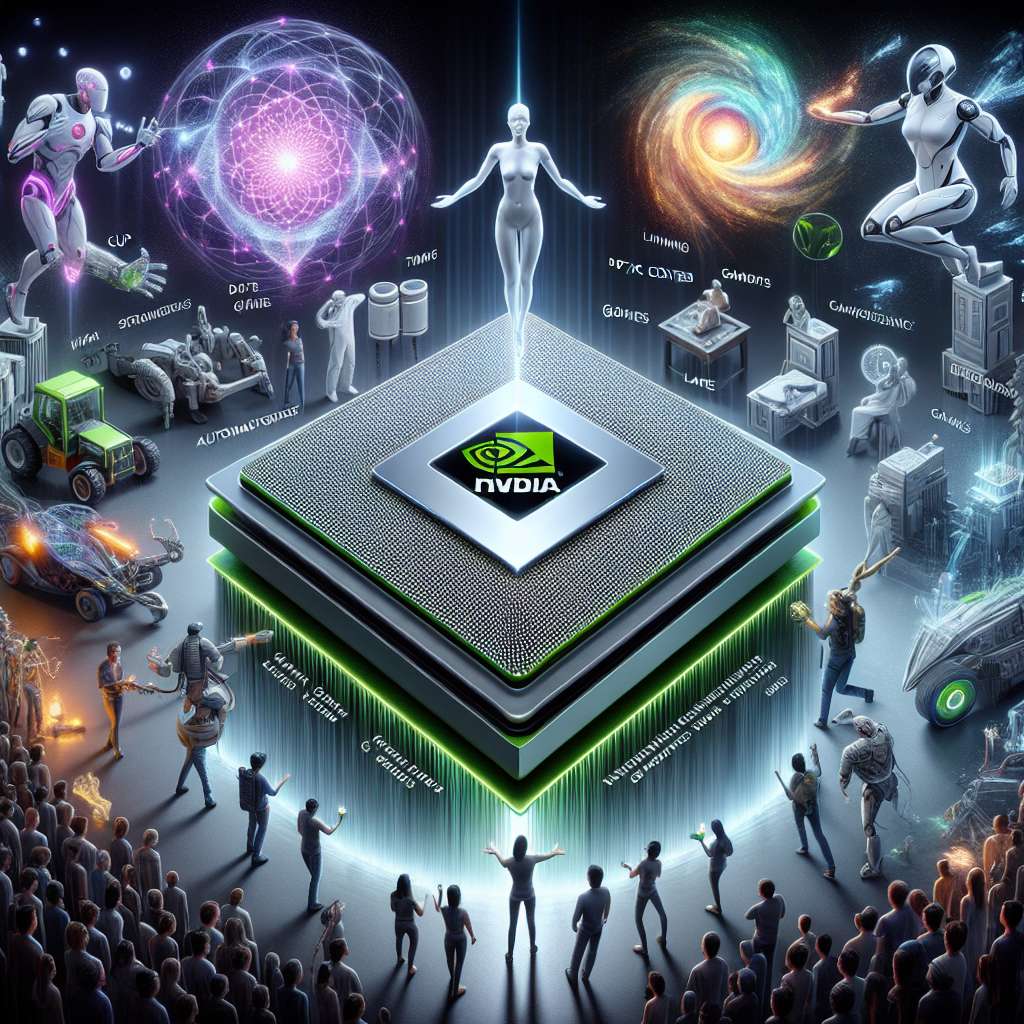
Nvidia used GTC 2026 to broaden its vision beyond chips, tying together agentic Artificial Intelligence, robotics, gaming, telecom infrastructure and autonomous vehicles. The event also highlighted growing debate over labor disruption, creative concerns and the scale of Nvidia’s ambitions.
AMD expands Samsung HBM4 deal for next-generation accelerators

AMD has secured Samsung HBM4 supply for its next-generation AMD Instinct MI455X graphics processing units, while the agreement also points to broader memory collaboration around future server chips. The arrangement suggests Samsung gained leverage as demand for advanced memory remains tight.
OpenAI acquires Astral to strengthen coding workflows
OpenAI is acquiring Astral, the developer of open source Python tools including uv, Ruff and ty, to integrate them with Codex. The move signals a push to make Artificial Intelligence coding systems more reliable across the full software development workflow.
Vertical Artificial Intelligence agents gain traction with startups and investors
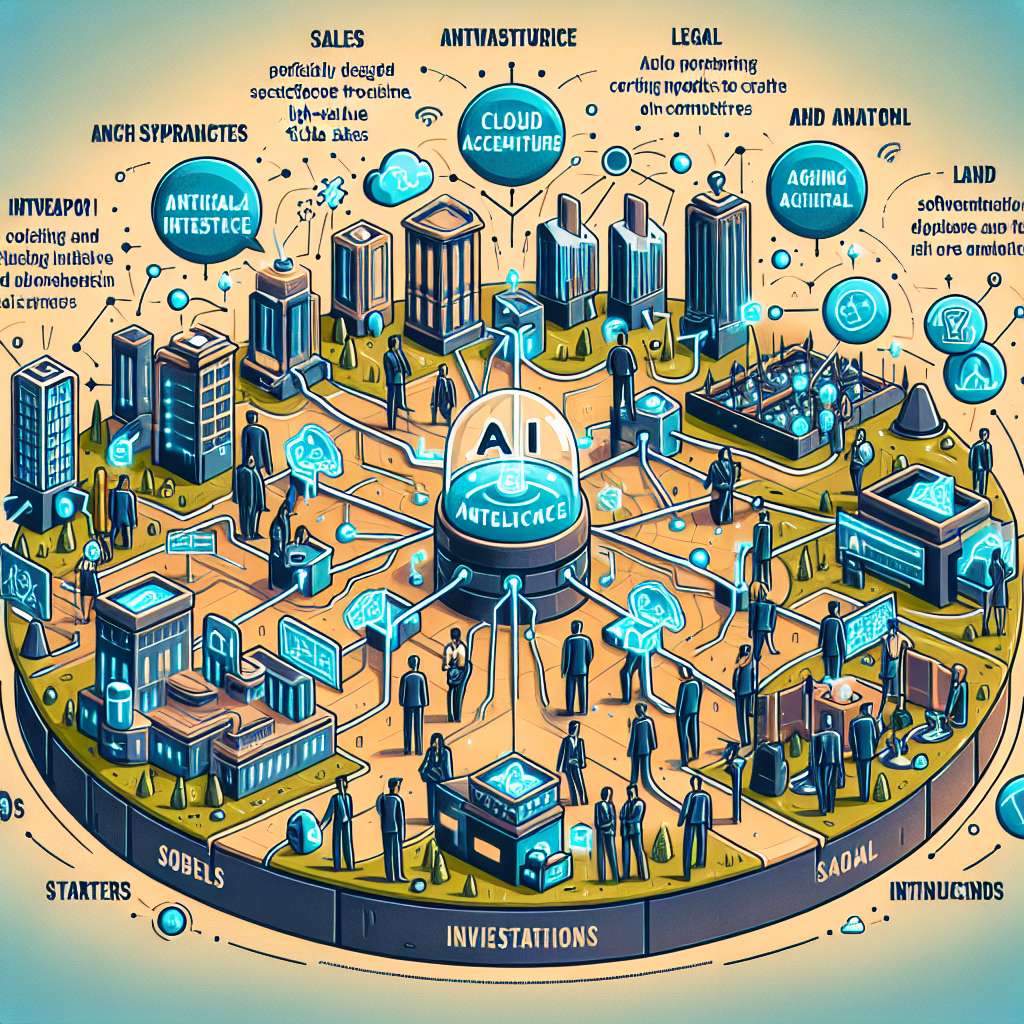
Startups are building vertical Artificial Intelligence agents that combine models with domain-specific data, workflows, and context to execute specialized tasks. Investors and operators see the category as a major shift from software tools toward systems that can take action inside real business processes.
Artificial Intelligence tool targets forged radiology reports

University at Buffalo researchers developed a detection system aimed at identifying radiology reports generated by Artificial Intelligence rather than clinicians. The work targets a growing risk of fraud in health care, insurance, and other record-driven industries.
Visa tests payments initiated by Artificial Intelligence agents

Visa is preparing payment infrastructure for a model in which software agents can initiate purchases on behalf of users. Early work with European banks is focused on authentication, consent, fraud controls, and compliance.
NSF funds teacher training to expand Artificial Intelligence education nationwide
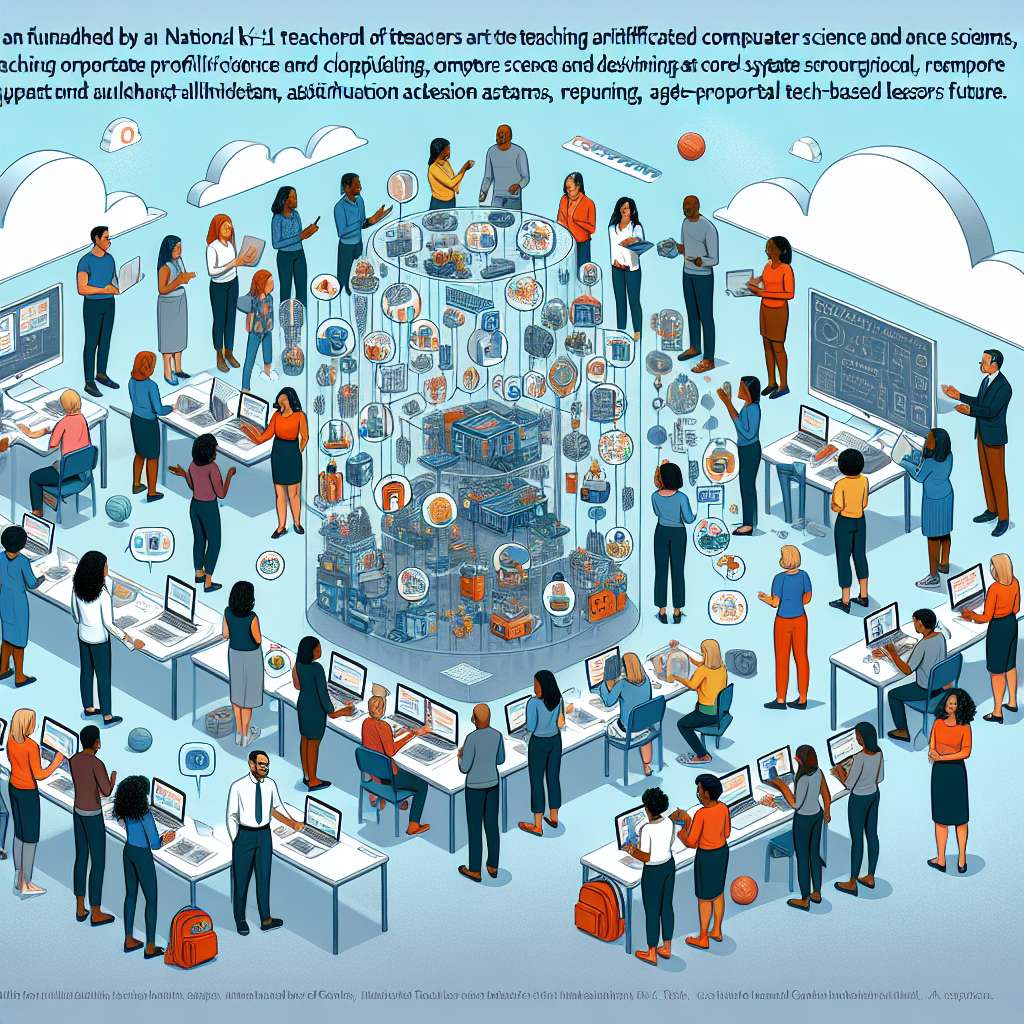
The U.S. National Science Foundation is awarding 11 million to the Computer Science Teachers Association to train K-12 educators in computer science and Artificial Intelligence instruction. The multistate initiative is designed to scale classroom-ready teaching capacity and broaden high-quality learning opportunities for students across the country.
NVIDIA DLSS 5 uses 2D frames and motion vectors

NVIDIA has outlined DLSS 5 as a system that takes 2D frames and motion vectors as input, then uses a generative Artificial Intelligence model to produce its final output. The approach focuses on 2D imagery rather than full 3D scene generation to improve computational efficiency.
OpenAI shifts toward a fully automated Artificial Intelligence researcher

OpenAI is making a fully automated Artificial Intelligence researcher its central research goal, combining work on reasoning models, agents, and interpretability. The company expects an autonomous research intern by September and a broader multi-agent research system in 2028.