
Intel plans custom Xeon with fully integrated Nvidia Nvlink for artificial intelligence servers

Intel chief executive Lip-Bu Tan has revealed that the company is co-developing a custom Xeon processor with Nvidia that fully integrates Nvlink, targeting artificial Intelligence host nodes alongside its upcoming Diamond Rapids and Coral Rapids server chips.
Artificial Intelligence may turn music listeners into content creators
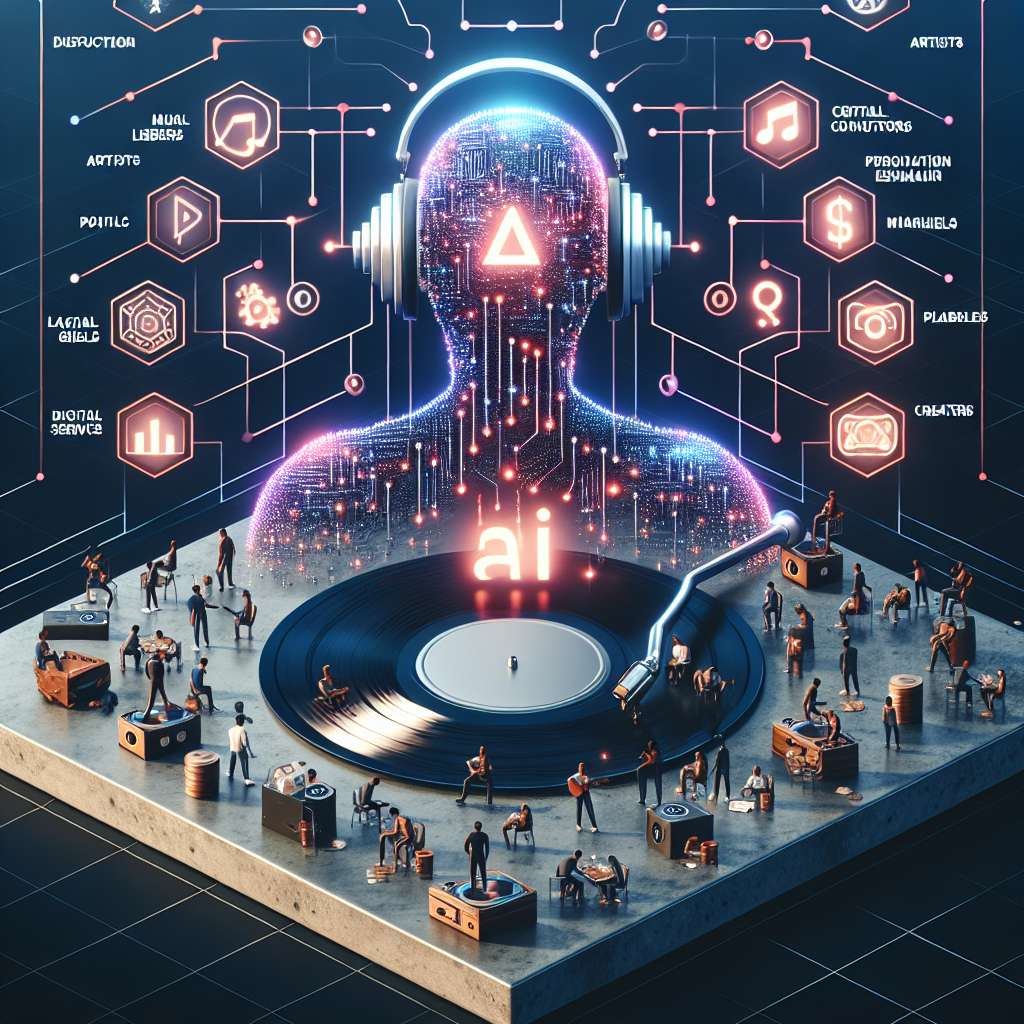
A Citi Research report argues that new artificial intelligence music tools could shift consumers from passive listeners to active creators, reshaping the balance of power between labels, digital service providers and emerging start-ups.
How to incorporate artificial intelligence tools into your business
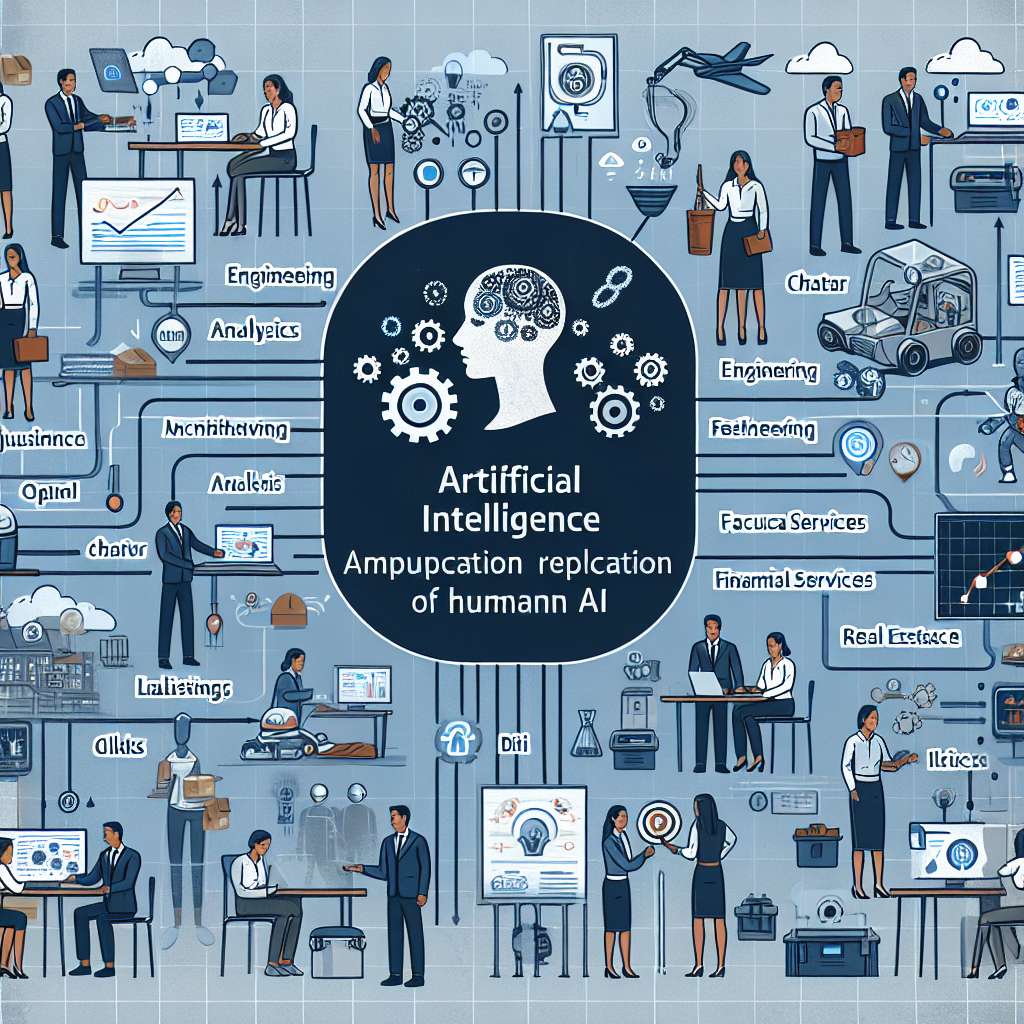
Entrepreneurs across industries are using artificial intelligence tools to streamline operations, deepen customer insight, and scale more efficiently, while keeping human judgment at the center. This roundup highlights 24 practical use cases, from legal practice and logistics to content creation and real estate.
Italy enacts first national artificial intelligence framework in the European Union

Italy has become the first European Union member state to adopt a comprehensive national artificial intelligence law that complements the EU Artificial Intelligence Act with sector specific rules, new oversight bodies, and criminal sanctions targeting misuse of artificial intelligence systems.
Technology risk trends and priorities for 2026

Grant Thornton outlines how boards and internal audit teams should prepare for escalating technology risks in 2026, from cyber attacks and cloud complexity to Artificial Intelligence regulation and deepfake-enabled fraud. The analysis stresses that resilience, governance, and proactive assurance are now strategic imperatives, not optional enhancements.
Why artificial intelligence’s role in the circular economy is contested
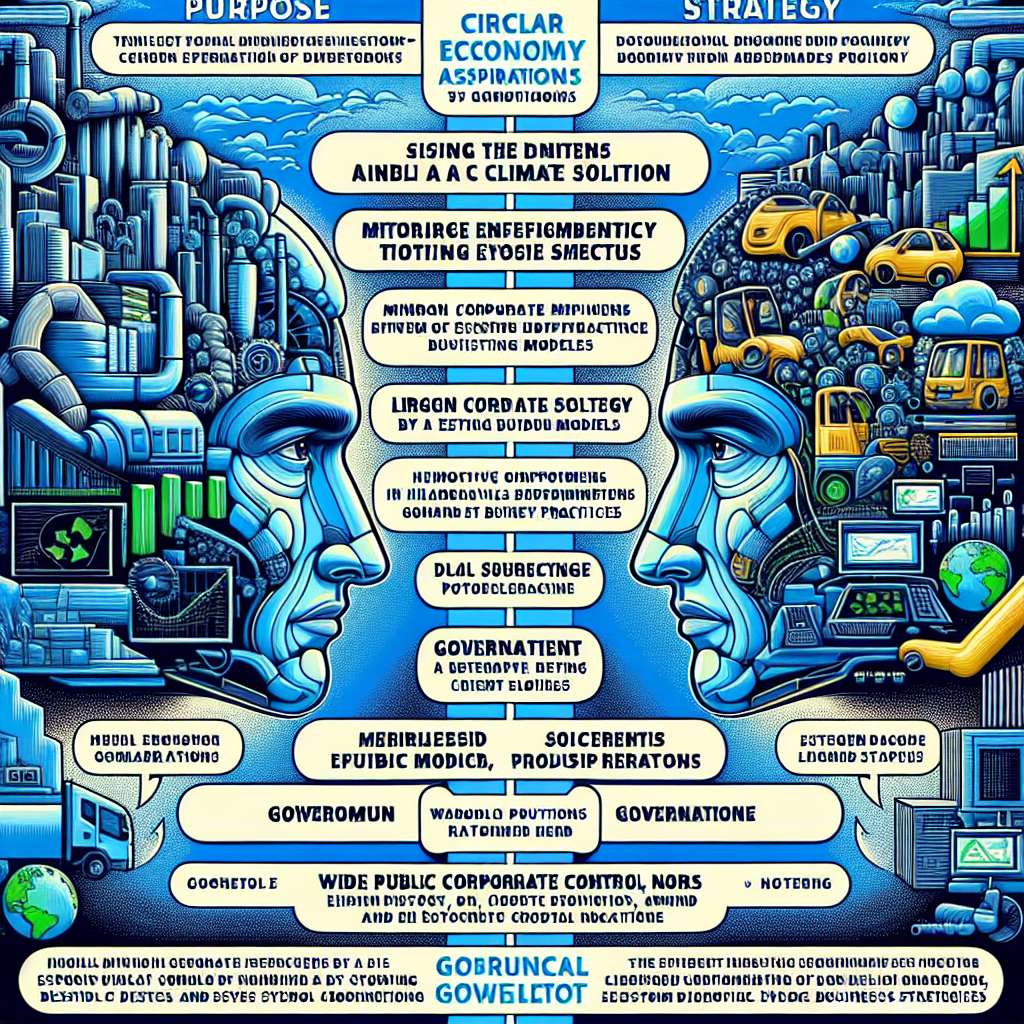
New research from Cambridge Judge Business School argues that circularity in artificial intelligence ecosystems is shaped by deep disagreements over purpose, strategy and governance rather than purely technical considerations.
What happens when artificial intelligence agents work together in financial decisions

Researchers at Featurespace’s innovation lab studied how teams of artificial intelligence agents behave when jointly assessing income and credit risk, finding that collaboration can unpredictably amplify or reduce bias. Their work highlights the need to test multi-agent systems as a whole, particularly in high-stakes financial use cases like fraud detection and lending.
Reducing online harms through radical platform transparency
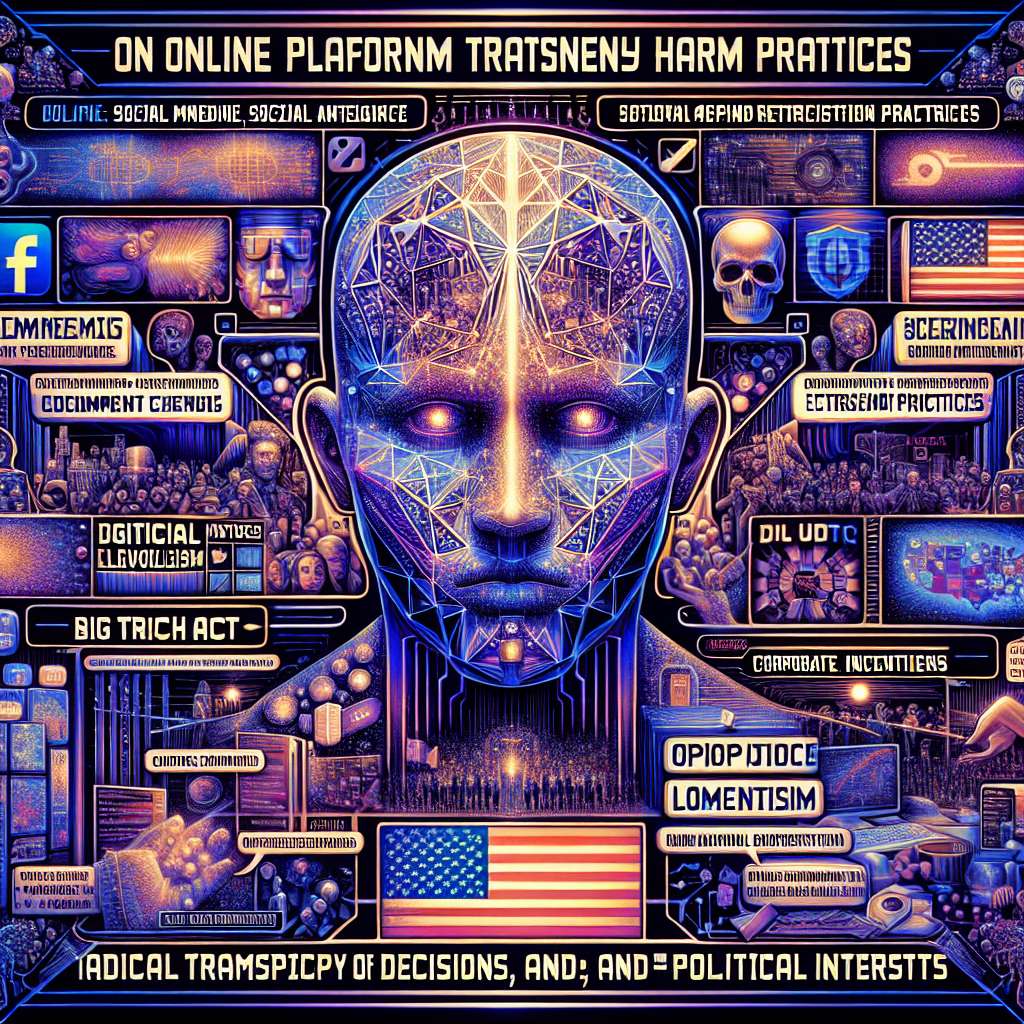
Carolina Are argues that piecemeal laws and youth bans will not fix online harms, and that only radical transparency into social media business models and decision making can meaningfully challenge Big Tech power. She also warns that Europe’s ambiguous dependence on United States technology and Artificial Intelligence firms risks entrenching a technoimperialist status quo.
LangChain agents: tooling, middleware, and structured output
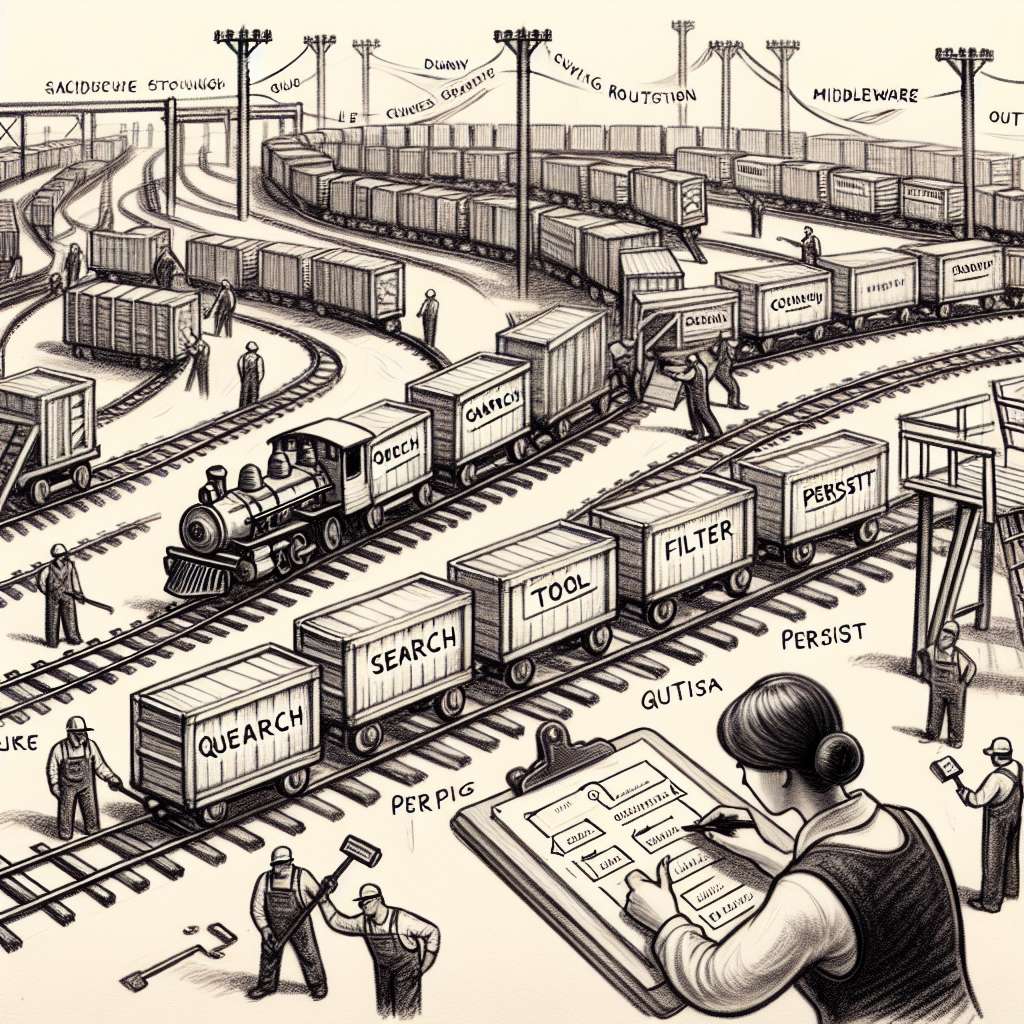
LangChain’s agent system combines language models, tools, and middleware to iteratively solve tasks, with support for dynamic models, tools, prompts, and structured output. The docs detail how to configure models, manage state, and extend behavior for production-ready Artificial Intelligence agents.
Princeton plasma physics laboratory highlights fusion research and Artificial Intelligence initiatives

Princeton plasma physics laboratory is spotlighting new fusion research efforts, including an Artificial Intelligence and high performance computing platform, expanded collaborations, and recent awards recognizing advances in fusion energy technologies.