
Artificial intelligence wrapped: 14 terms that defined 2025
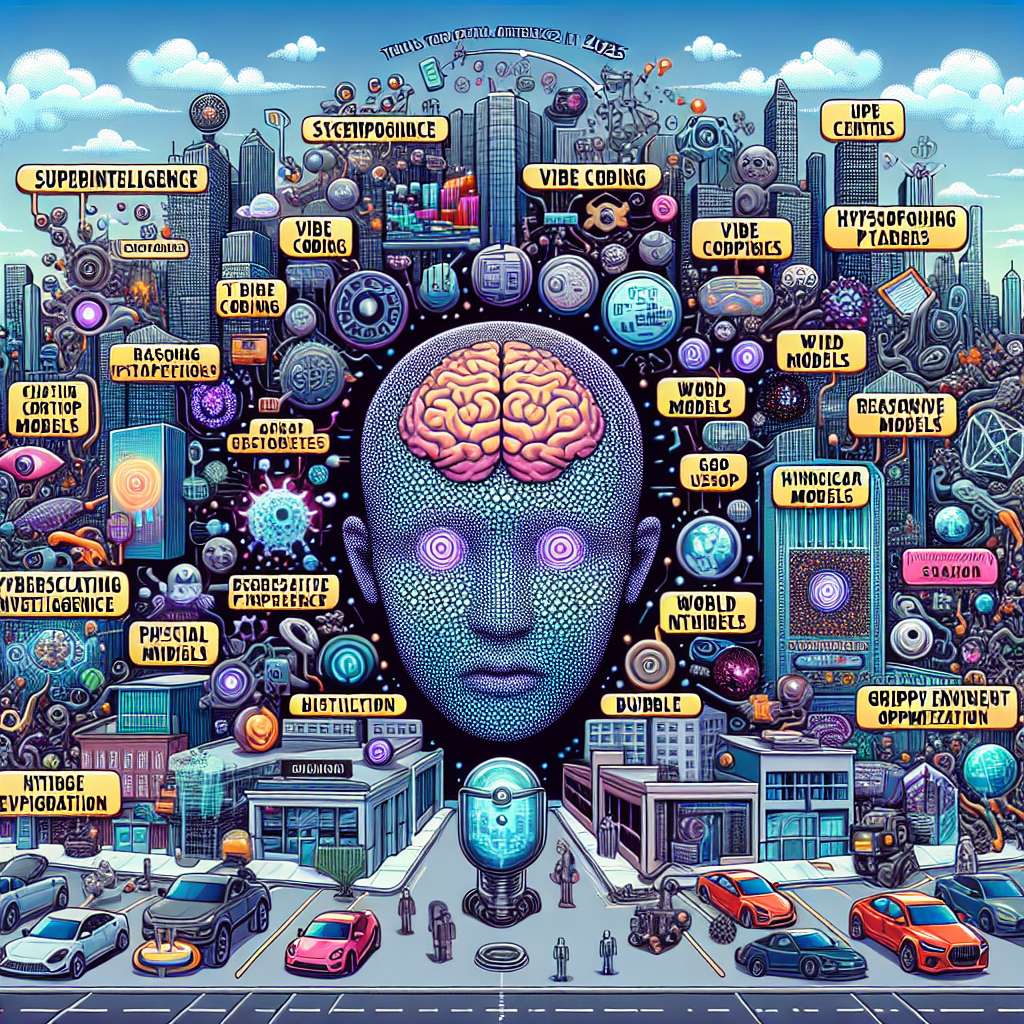
From superintelligence and vibe coding to world models and generative engine optimization, 2025 was saturated with new artificial intelligence jargon that reflected both technical shifts and cultural anxieties.
How Intel chief Lip-Bu Tan turned a Trump clash into a government lifeline

Intel CEO Lip-Bu Tan transformed an early morning social media attack from President Trump into a pivotal Oval Office deal that secured a multibillion-dollar equity investment and reshaped the chipmaker’s future. The agreement has boosted Intel’s fortunes while raising new questions about industrial policy, conflicts of interest, and the company’s ability to regain its manufacturing edge in the age of artificial intelligence.
Chinese open source artificial intelligence models gain traction in United States despite tensions
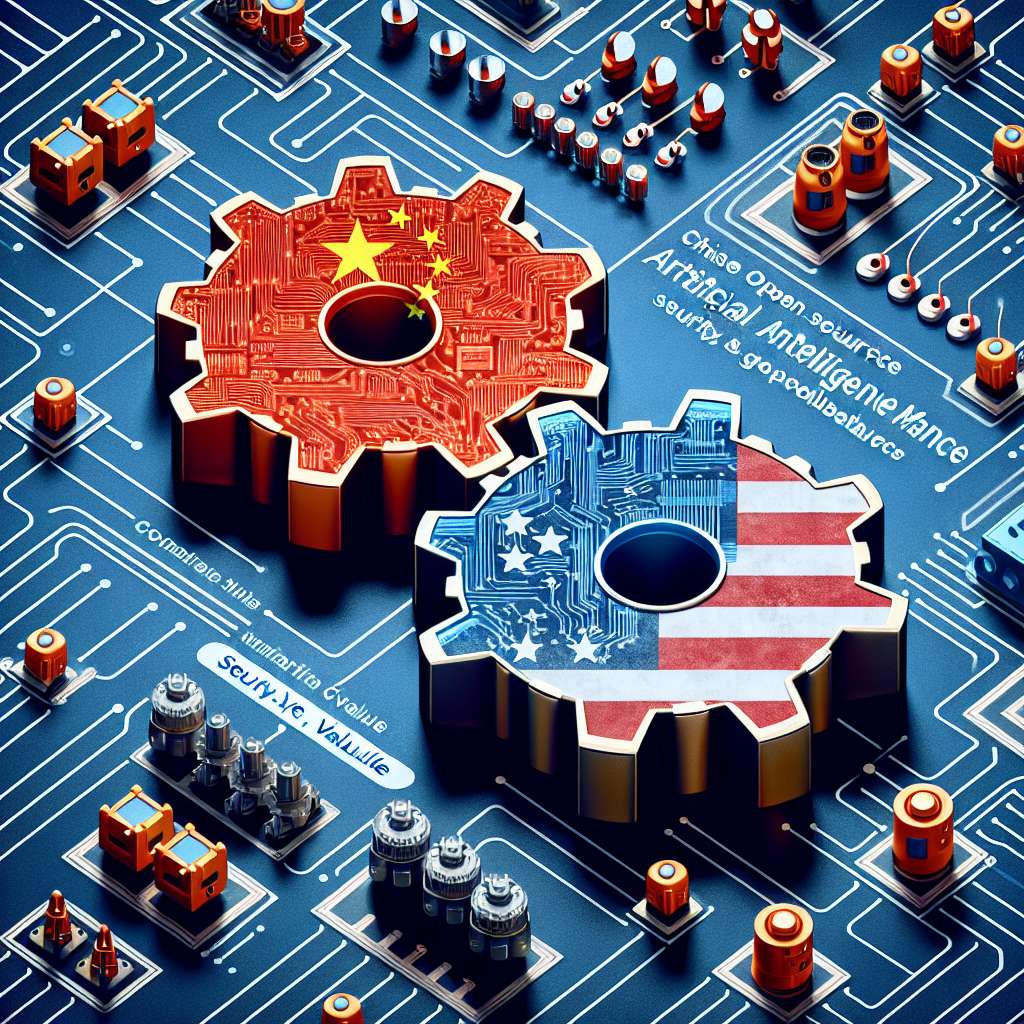
Chinese open source artificial intelligence models such as Alibaba’s Qwen and DeepSeek’s R1 are quietly attracting United States programmers and companies, even as Washington and Beijing clash over advanced technology. Cost, performance and openness are driving adoption, while concerns linger over politics, sanctions and trust.
OpenAI and Anthropic donate agent standards to new Agentic Artificial Intelligence Foundation

OpenAI and Anthropic have donated their AGENTS.md and Model Context Protocol projects to the newly formed Agentic Artificial Intelligence Foundation, which is hosted as a directed fund under the Linux Foundation and launches with additional backing from Block and several major tech companies.
Malicious expert models expose new security risk in mixture-of-experts language systems

KAIST researchers have demonstrated that a single malicious expert model embedded in a mixture-of-experts large language model can sharply increase harmful outputs without noticeably degrading overall performance.
Intel Fab 52 outscales TSMC Arizona in advanced wafer production

Intel Fab 52 in Arizona is producing more than 40,000 wafers per month on its 18A node, outpacing TSMC’s current Arizona output on older process technologies. The facility highlights Intel’s focus on advanced manufacturing for its own products while TSMC keeps its leading nodes primarily in Taiwan.
Intel details packaging for 16 compute dies and 24 HBM5 modules

Intel Foundry has outlined an advanced packaging approach that combines Foveros 3D and EMIB-T interconnect to scale silicon beyond conventional reticle limits, targeting configurations with 16 compute dies and 24 HBM5 memory modules in one package. The design is built around upcoming 18A and 14A process nodes and aims to support current and future high bandwidth memory standards.
Four bright spots in climate news in 2025

Despite record emissions and worsening climate disasters in 2025, several developments in China’s energy transition, grid-scale batteries, Artificial Intelligence driven investment, and global warming projections offered genuine reasons for cautious optimism.
2025 cancer breakthroughs reshape treatment and detection

Oncology in 2025 is being transformed by immunotherapy, advanced screening, large-scale clinical trials, and the rapid rise of Artificial Intelligence in medicine, which together are improving survival and quality of life for cancer patients.