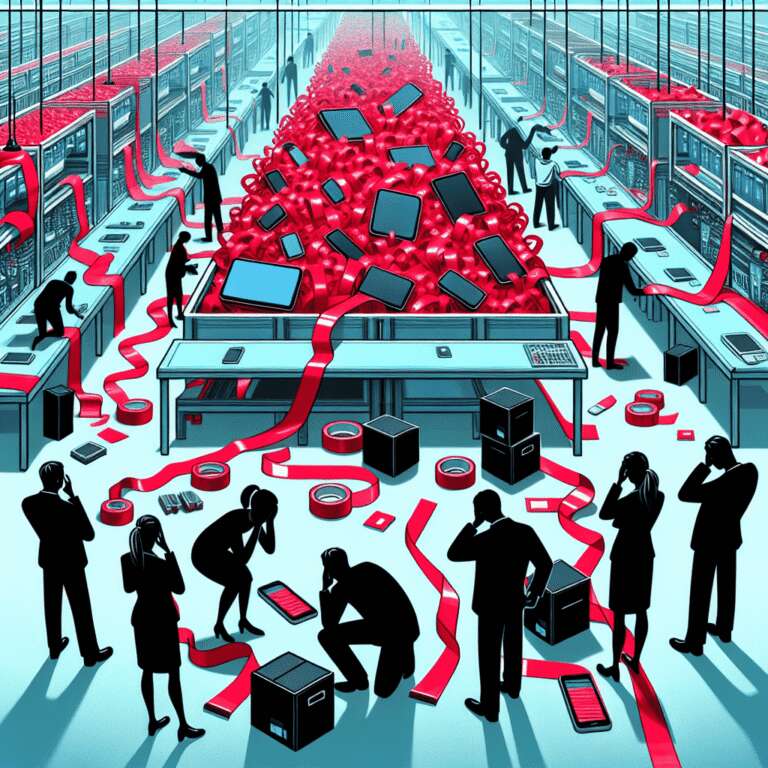
The introduction of new tariffs by former President Trump is set to significantly impact the technology industry, escalating costs for major firms reliant on Chinese markets. Companies like Apple and Tesla, which depend on Chinese manufacturing and sales, are expected to face increased financial pressure. Additionally, leading semiconductor manufacturers such as NVIDIA and Intel, which supply Artificial Intelligence hardware, are likely to see their costs rise as well.
The trade tensions between the United States and China have been a continuous source of volatility for the tech sector, which is heavily dependent on international supply chains and global sales. The tariffs are anticipated to not only increase manufacturing costs but also lead to an escalation in prices for end consumers, ultimately affecting demand for tech products.
Industry analysis suggests that while some firms may attempt to absorb these additional costs in the short term, many will potentially pass them onto consumers, leading to higher prices for electronics and influencing purchasing decisions globally. This scenario underscores the broader economic implications of tariff policies, extending beyond immediate cost increases to strategic supply chain realignments and long-term market adjustments.