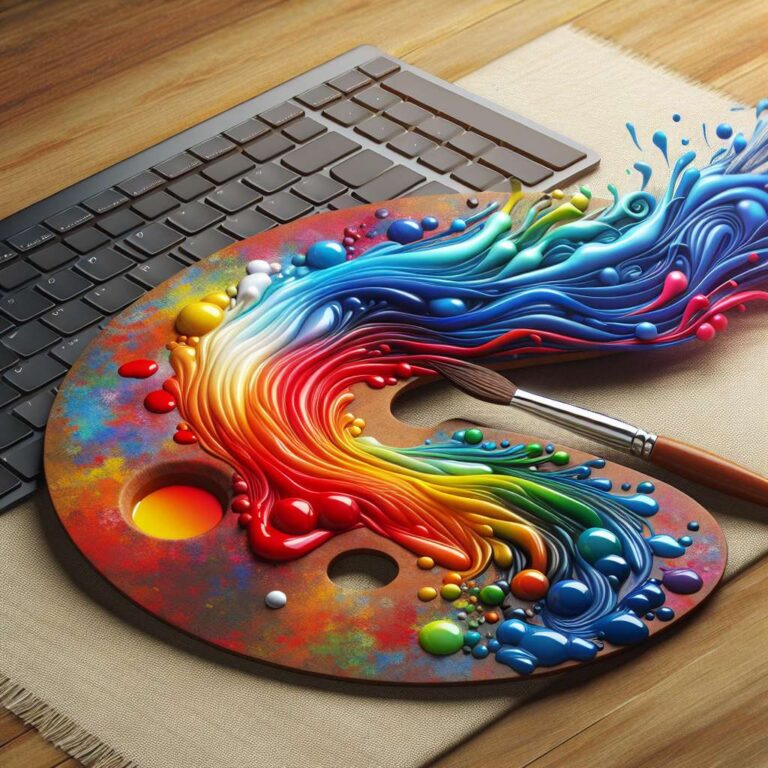
The raging debate between artists and technologists over the role of artificial intelligence in creativity often devolves into a clash of extremes, with evangelists hailing generative models as tools to democratize creativity while artists decry them as existential threats. Yet, as author and technologist Lauren Oliver observes, the reality is far more nuanced: while artists fear being replaced, it is generative AI itself that is fundamentally dependent on the innovation and vision of human creators to thrive and evolve.
Large language models like ChatGPT have reached the limits of existing online data and increasingly require access to fresh, original artistic content to maintain and improve their capabilities. Without the continual infusion of new art, these models face a future of diminished returns, recycling AI-generated material into ever duller echoes of genuine creativity. Far from rendering artists obsolete, generative platforms are reliant on the very individuals they sometimes overshadow, granting artists newfound leverage through their scarcity and relevance. As Oliver notes, artists could band together to set terms for their work´s use, potentially shaping the evolution of artificial intelligence more than most realize.
Despite legitimate concerns, the author argues that dismissing artificial intelligence outright means missing opportunities for creative expansion. Historically, supposed technological threats—like podcasts challenging radio—have failed to fully eclipse older mediums, which often become more treasured. Artists´ inefficiency, their obsession with detail and revision, is precisely what distinguishes their output from the mass-produced, homogenous results of AI generation. Both the tech and art worlds share surprising similarities: gatekeeping tendencies, a drive for legacy, and elitist streaks. Recognizing common ground and fostering humility on both sides could unlock a future in which technology expands the possibilities for artistic expression, rather than trapping both fields in adversarial standoffs.
Oliver concludes by recalling her own journey across these worlds, emphasizing that ´technology´ itself originates from a word for art-making. She invites artists and technologists alike to imagine an artificial intelligence-driven future that enhances, rather than diminishes, the unique joys and human connections found in creative pursuits.