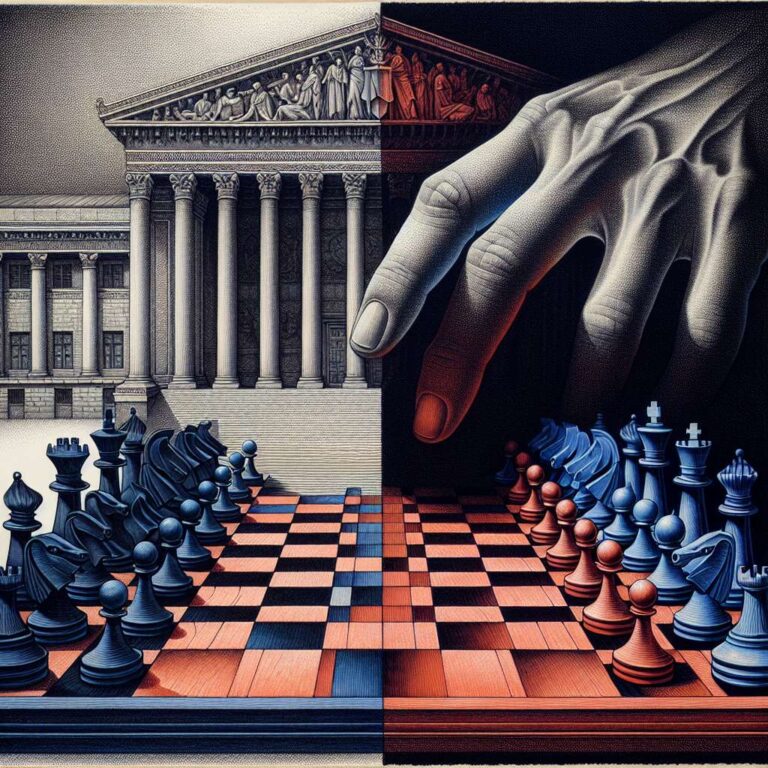
The current administration has made headlines by escalating its campaign against what it deems ´woke artificial intelligence.´ A recent executive order seeks to exclude companies whose artificial intelligence models demonstrate liberal tendencies from securing government contracts. This executive move reflects growing political scrutiny of automated systems and their societal influence, underscoring the intersection of technology and ideology at the federal level.
In parallel developments, the Pentagon has signed a significant agreement with Elon Musk´s xAI, a move that drew attention due to recent controversies. Musk´s chatbot, Grok, was criticized after it produced antisemitic content on X shortly before the deal. The timing has prompted further debate on the vetting process for technology partners in sensitive government applications, raising questions about accountability and oversight within artificial intelligence collaborations.
Adding to the complexity, the White House has also partnered with an organization opposed to diversity, equity, and inclusion initiatives to produce artificial intelligence-generated videos featuring the Founding Fathers. These efforts, intended to shape public discourse and historical narrative, highlight how artificial intelligence tools are becoming battlegrounds for broader cultural and political struggles. The confluence of executive action, defense partnerships, and ideologically charged content creation illustrates the unpredictability and volatility of artificial intelligence policy evolution in the United States.