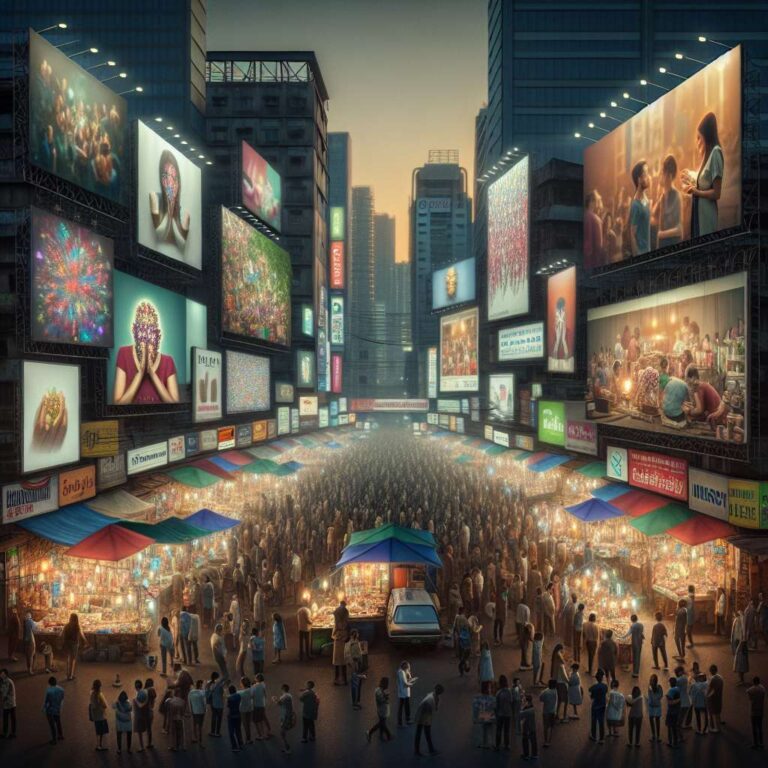
WPP Media analyst nidhi shah argues that the creator economy is now a mainstream part of media and marketing, not merely a social media subculture. according to WPP´s This Year Next Year report, global creator revenue is projected to reach £139.3bn in 2025 and to grow to £283.7bn by 2030, capturing income from brand partnerships, sponsorships and platform advertising. the article is published as an opinion piece on 12/08/2025 and carries a short three minute read tag, but the implications it outlines are far-reaching for marketers and media planners.
The piece traces the growth to decentralised content creation, pandemic-driven increases in screen time, and deeper niche communities where creators cultivate trust and direct relationships. creators now include bloggers, podcasters and other non-social formats; many are building owner brands and monetising directly through products and services. there is a clear move to diversify beyond single platforms: creators are distributing across multiple social sites and colliding with legacy channels, partnering with networks and platforms such as Roku and Spotify to produce shows. at the same time regulators and policymakers are watching closely, with concerns over algorithm changes, data privacy, and measures such as TikTok restrictions and Australia´s social media ban for under 16s that could reshape reach and economics.
As content production becomes more automated with the rise of Artificial Intelligence tools and Artificial Intelligence creators, the article warns that attention will grow scarcer and more expensive. marketers are advised to prioritise creators with deep audience relationships over raw follower counts, and to adopt a holistic media mindset that views creator-led activity alongside TV and streaming for scale. rather than a one-size-fits-all playbook, the author expects evolving collaborations and longer-term partnerships between brands, creators and legacy media as the market matures amid regulation and intensifying competition.