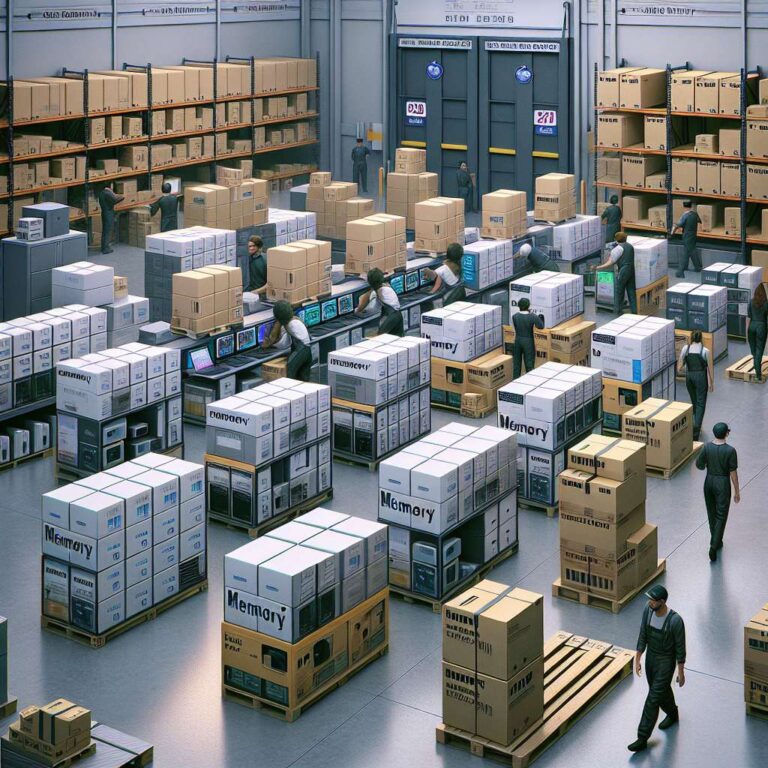
Consumers are paying more for technology, such as computers and gaming consoles, as the exponential growth of Artificial Intelligence creates a global shortage of computer memory. With the rapid development of Artificial Intelligence, there is now a higher demand for random-access memory (RAM), which serves as a computer’s short-term memory and helps devices process information quickly. Artificial Intelligence data centers rely on large amounts of memory to load models, process information, and generate responses in near real time.
The expansion of Artificial Intelligence and the race to build data centers are driving a level of demand that Syracuse University assistant vice president of data and Artificial Intelligence Andrew Joncas described as unprecedented. He said interest in using Artificial Intelligence is growing at an extraordinary pace, outstripping earlier waves of technology adoption. As companies invest more heavily in hardware and infrastructure, the effects are spreading across other industries that also depend on memory components.
Before these shortages, RAM was around 15 percent of the total cost of materials for most devices. Currently, the cost is approaching 58 percent, according to a report by Tom’s Hardware. This has taken some of the cheapest options available from just under $70 to more than $250. The rising cost of RAM has driven up prices or slowed production for PCs, laptops, gaming consoles, modern vehicles, and smartphones.
Major technology companies have already reflected those pressures in retail pricing. Sony increased the price of its base PlayStation 5 model by $100 on April 2. Dell and HP have also announced price hikes tied to ongoing shortages. Samsung’s recently released Galaxy S26 costs $100 more than last year’s model.
The effects are also reaching smaller businesses. Express IT Solutions in Fayetteville can no longer build custom PCs for customers, and computer upgrades for clients have become significantly more expensive. Co-owner William Mahoney said some small businesses have put tech projects on pause because of the increase in hardware costs. He also pointed to Micron’s arrival in Central New York as a possible source of relief. Micron is the only American dynamic RAM (DRAM) manufacturer and the third largest globally, and some see its role in Artificial Intelligence development as part of a longer-term solution to improve computing efficiency and ease memory constraints.