
U.S. Tech Embargo on China, Russia, Iran Threatens Nvidia

The U.S. plans a tech embargo against China, Russia, and Iran, significantly impacting Nvidia’s market operations.

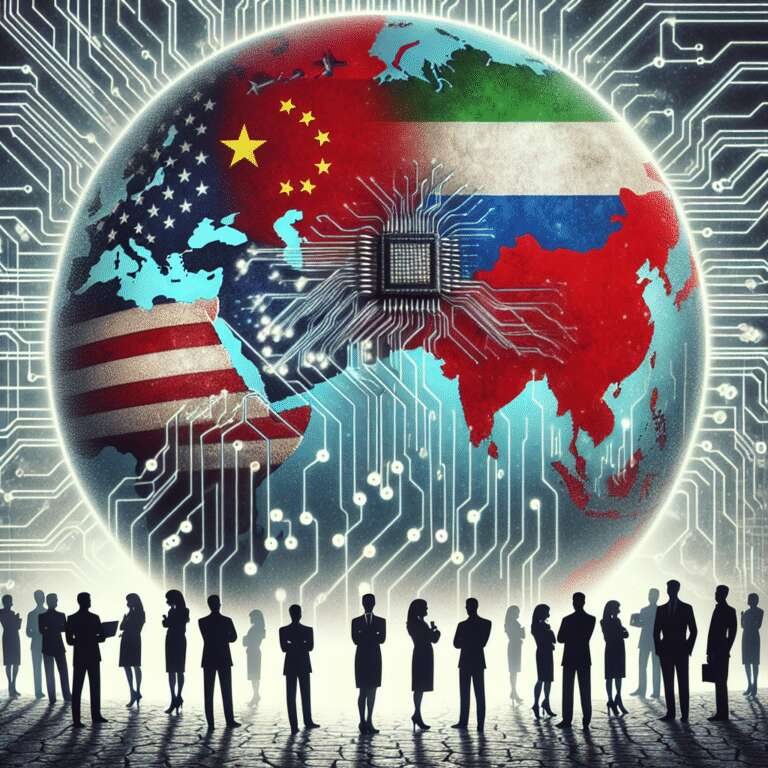
The United States government is pushing forward with a comprehensive technology embargo that aims to restrict some countries, specifically China, Russia, and Iran, from accessing advanced technology. Central to these sanctions are semiconductor manufacturing tools and high-end Artificial Intelligence chips crucial for developing cutting-edge technology. Such measures are expected to impact major players in the semiconductor industry, including Nvidia, which relies heavily on the Chinese market for growth.

Companies such as ASML, Tokyo Electron, and Canon are already prohibited from selling sophisticated lithography equipment to Chinese firms. Similarly, Nvidia, Intel, and AMD have had to scale back their operations, pulling advanced products from these markets. This embargo signifies an intensification of the tech battle between Western and Eastern tech ecosystems, highlighting a growing geopolitical divide.

Nvidia could be particularly affected, as the Chinese market plays a crucial role in its revenue structure. CEO Jensen Huang has expressed concerns that these sanctions might push China to invest more in its tech infrastructure, potentially reducing Nvidia’s future growth prospects in Artificial Intelligence hardware. Furthermore, the looming U.S. restrictions could potentially shut down loopholes that Nvidia previously navigated to stay in the Chinese market, such as selling scaled-down versions of its flagship chips.
77

Impact Score

Google Vids opens free video generation to all Google users

Google has made Google Vids available to anyone with a Google account, adding free access to video generation with its latest models. The move expands Google’s end-to-end video workflow and increases pressure on rivals that charge for similar tools.

Court warns against chatbot legal advice in Heppner case

A federal court found that chats with a publicly available generative Artificial Intelligence tool were not protected by attorney-client privilege or the work-product doctrine. The ruling highlights litigation risks when executives or employees use chatbots for legal guidance without lawyer supervision.

Newsom orders California to weigh Artificial Intelligence harms in contract rules

Gov. Gavin Newsom has signed an executive order directing California agencies to account for potential Artificial Intelligence harms in state contracting while expanding approved use of generative tools across government. The move follows a dispute involving Anthropic and reflects a broader split between California and the Trump administration on Artificial Intelligence oversight.

Contact Us

Got questions? Use the form to contact us.

Contact Form

Clicking next sends a verification code to your email. After verifying, you can enter your message.