Artificial Intelligence has moved from speculative fiction into practical deployment, with over a quarter of businesses across the United States integrating these technologies into their operations. This widespread adoption has sparked an urgent wave of legislative activity at the state level as policymakers scramble to keep up with the pace of innovation.
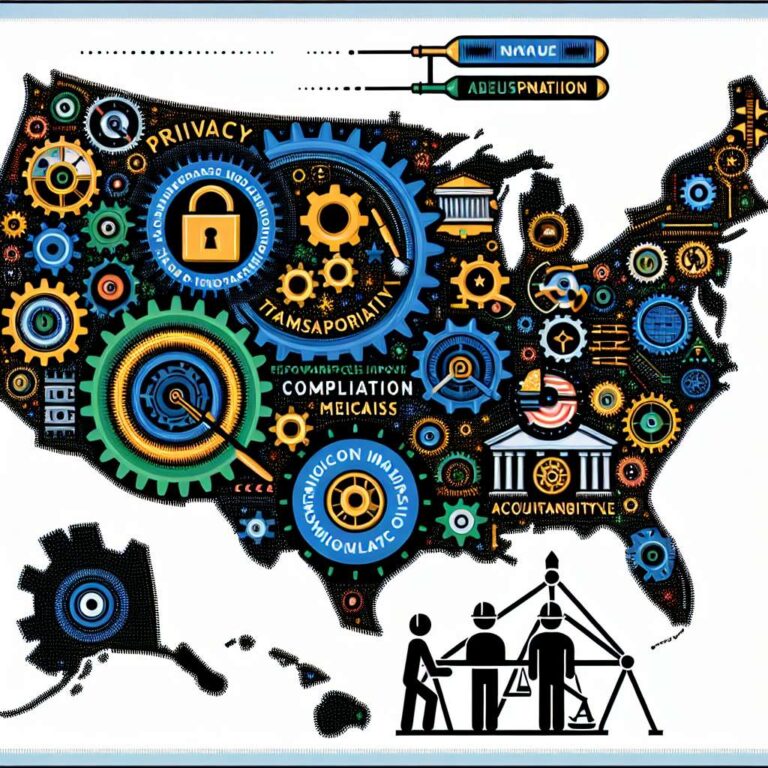
Many states are now proposing and enacting laws aimed at addressing the multifaceted implications of Artificial Intelligence. These measures often focus on regulating data privacy, algorithmic transparency, and ethical guidelines for deployment. Legislatures are considering frameworks that determine how businesses should implement Artificial Intelligence responsibly, balancing innovation with consumer and societal protections. The diversity in state responses reflects a patchwork of priorities: some focus on workforce displacement, others prioritize bias mitigation, and several seek to establish formal oversight bodies for ongoing algorithmic assessment.
This state-driven approach makes for a dynamic and at times fragmented legal landscape. Businesses operating nationally must keep track of varying regulatory requirements to remain compliant. As state legislatures refine their positions, the dialogue around Artificial Intelligence legislation grows more complex and nuanced, setting the stage for potential federal action or interstate harmonization in the near future.