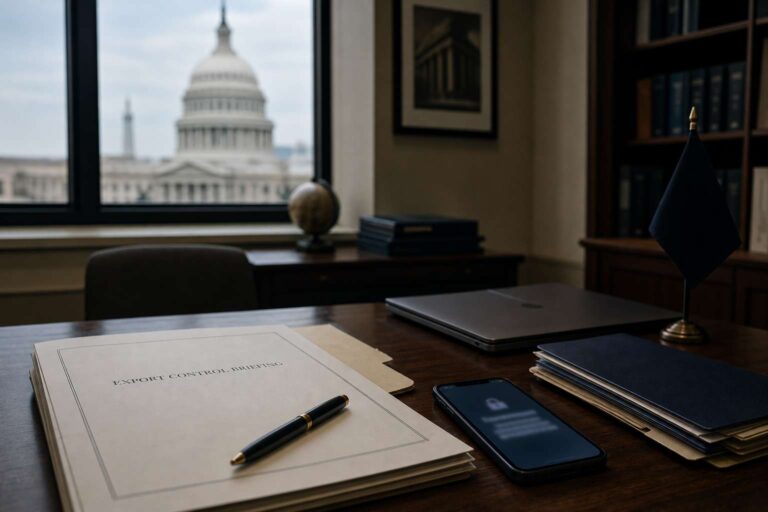
On 12 June, the US government issued an export-control directive requiring Anthropic to suspend foreign-national access to Claude Fable 5 and Claude Mythos 5, shortly after Fable was made public. Washington has not publicly detailed the order, but Anthropic said officials appeared concerned that users could bypass safeguards for malicious purposes.
Anthropic disabled both models globally, saying it could not reliably verify nationality or selectively restrict access at scale. Cybersecurity experts have questioned whether the measure is proportionate, noting that Mythos is strong at bug-finding and exploit generation, while Fable was designed with stronger guardrails and rival US and Chinese models can perform similar tasks. More than 100 cybersecurity leaders and experts, led by Alex Stamos, urged Washington to lift the ban, citing legitimate defensive uses.
The directive has become a broader test of AI sovereignty and allied access. G7 leaders discussed a trusted-partners framework for advanced US models, especially for cybersecurity, while European and UK reactions framed the episode as a warning about technological dependence. The decision suggests frontier models are increasingly being treated as dual-use capabilities shaped by export controls, alliances and national-security priorities.