AI startup Subquadratic has emerged from stealth with a claim that it has solved a mathematical bottleneck affecting large language models for almost a decade. The company says its method reduces the computations transformers need to generate answers, potentially making LLMs faster, cheaper and less energy-intensive. Researchers remain skeptical, though early material shared by the company suggests the approach may warrant closer examination.
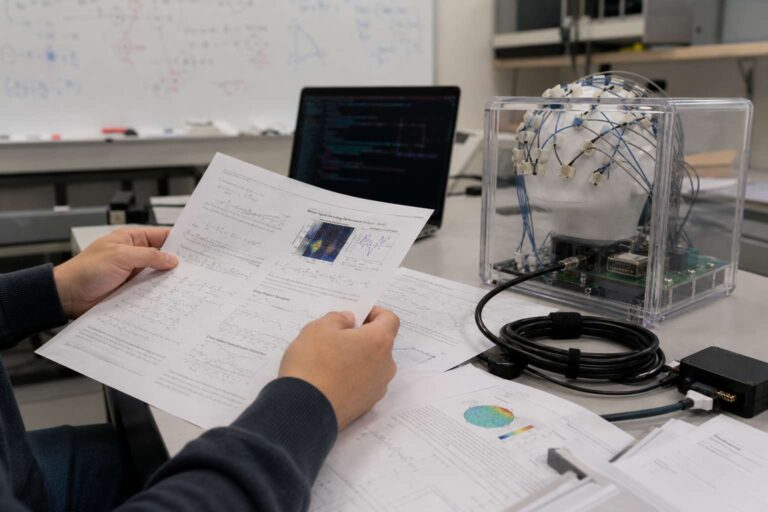
Brain-computer interface research is gaining momentum as trial participation rises and devices gain more practical features. Casey Harrell, a man with ALS, has used a brain implant to maintain an income, reconnect with friends and family, and read to his daughter. This year, China became the first country to approve a BCI for medical use, underscoring the technology’s shift from laboratory research toward the market.
Other developments include Amazon engineers facing investigation after backing limits on data centers, Bernie Sanders proposing public ownership stakes in AI firms through a sovereign wealth fund, and studies suggesting AI may already be deskilling doctors and engineers. Researchers also raised concerns that the human genome’s structure could limit AI-based models of biology and disease.