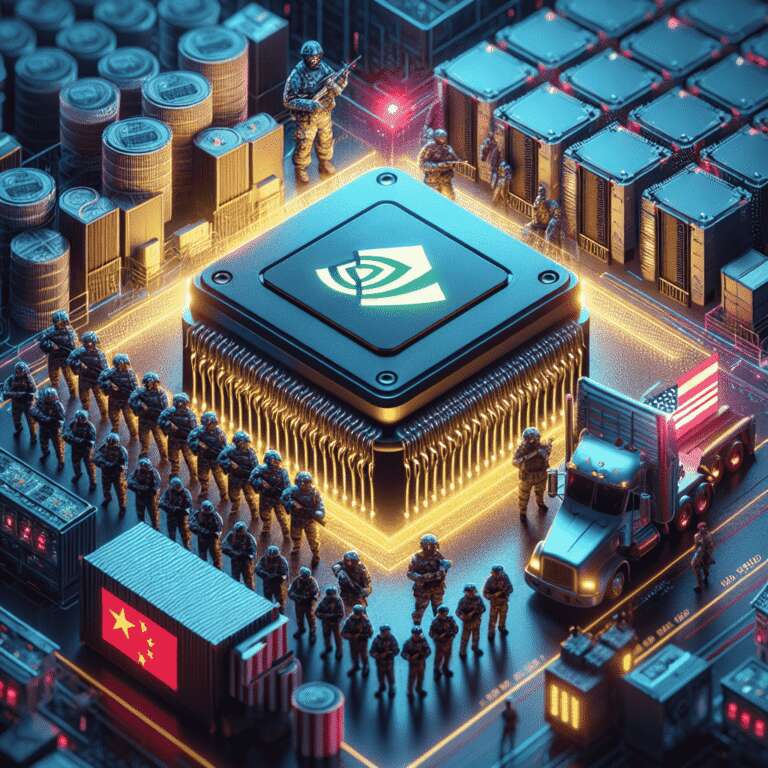
The Trump administration has moved to block the export of NVIDIA´s H20 Artificial Intelligence accelerator to China, Hong Kong, and Macau by instituting mandatory export licenses for any future shipments. This sweeping restriction, effective indefinitely, was communicated by the US Commerce Department on April 14, 2025, and is prompted by concerns that the H20 chips might be repurposed for Chinese supercomputers with potential military uses. Notably, NVIDIA had engineered the H20 to specifically align with previous US regulations by intentionally reducing its performance from the advanced H100 model. Technical specifications of the H20 include 96 GB of fast HBM3 memory capable of up to 4.0 TB/s throughput, delivering around 296 TeraFLOPS of mixed‑precision compute power, with FP32 floating-point performance at approximately 74 TeraFLOPS and FP16 at 148 TeraFLOPS.
In response to the move, NVIDIA disclosed in a regulatory filing on April 15, 2025, that it expects to incur approximately half a billion dollars in writedowns this quarter, stemming from unsellable H20 inventory and now-obsolete purchase commitments under the new export regime. Financial markets reacted sharply, with NVIDIA´s shares plummeting about 6 percent in after-hours trading. The disruption sent ripples throughout the semiconductor sector; leading industry peers such as Samsung and SK Hynix in South Korea dropped about 3 percent each, while AMD also saw a decline amid heightened fears of wider chip export restrictions.
The longer-term outlook for NVIDIA in China appears challenging: analysts at Bloomberg Intelligence predict that if the ban endures, the company´s data center revenue from China could fall to the low or mid single-digit percentages of overall sales, a steep drop from around 13 percent in fiscal 2024. The restrictions create an opening for domestic Chinese contenders like Huawei, which is poised to capitalize as local companies pivot toward homegrown Artificial Intelligence processing solutions. Despite NVIDIA´s pledge to invest billions in US Artificial Intelligence infrastructure over the coming years, US Commerce Secretary Howard Lutnick emphasized a continued hard line on technology exports to China. Industry stakeholders and global markets are now closely monitoring both the approval process for any future H20 export licenses and the potential duration of this new ban.