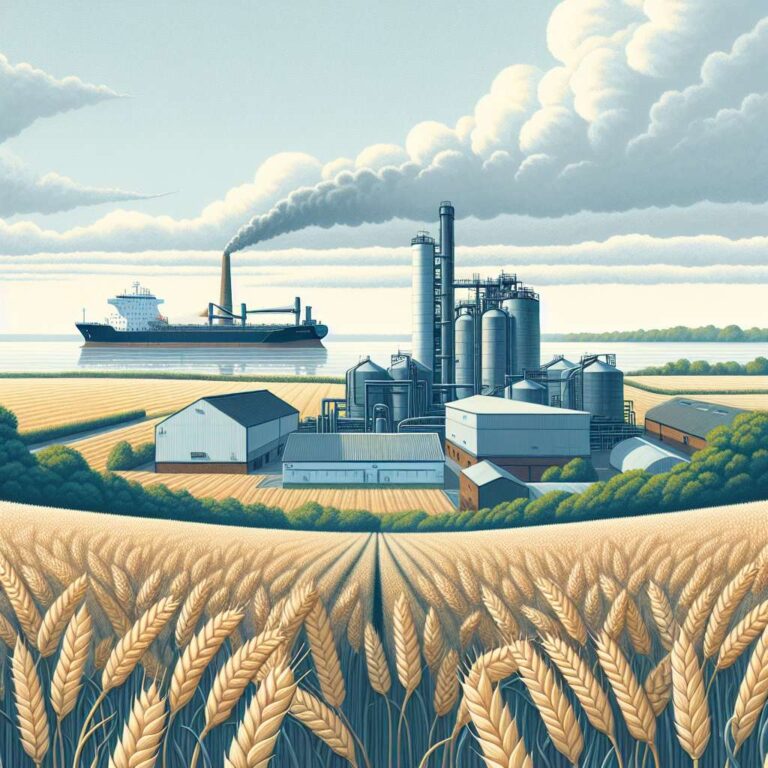
The UK´s bioethanol industry is under severe pressure following a recent trade and tariff agreement with the United States. This deal has had a substantial effect on the domestic sector, with the country’s largest bioethanol plant now facing existential threats. The plant, previously pivotal to the nation’s supply of renewable fuels, has struggled to remain competitive as American imports gain a significant pricing advantage due to the new tariff structures. Companies warn that without intervention, significant job losses and the potential closure of production sites may be imminent.
Industry insiders point to the risk this poses for the UK’s clean energy and transport ambitions. Bioethanol, produced primarily from home-grown crops, has been a cornerstone in efforts to reduce carbon emissions from road transport by blending with petrol. The trade realignment introduced by the recent deal enables cheaper US-produced bioethanol to flood the UK market, undermining local suppliers whose higher operational costs leave them unable to match the new import prices. This shift, they say, disrupts investment plans and threatens to unravel the environmental gains made over the past decade.
Sector representatives and experts argue that the government must reconsider its approach, urging for safeguards or subsidies to help UK producers weather the sudden market shock. They warn of broader implications spanning economic, environmental, and energy security spheres if the sector collapses. The development underscores the complex knock-on effects of international trade negotiations on homegrown industries and the policies designed to support green growth and rural economies. As the debate intensifies, affected regions and workers await government response and clarity on next steps, raising urgent questions about how to balance open markets with domestic sustainability.