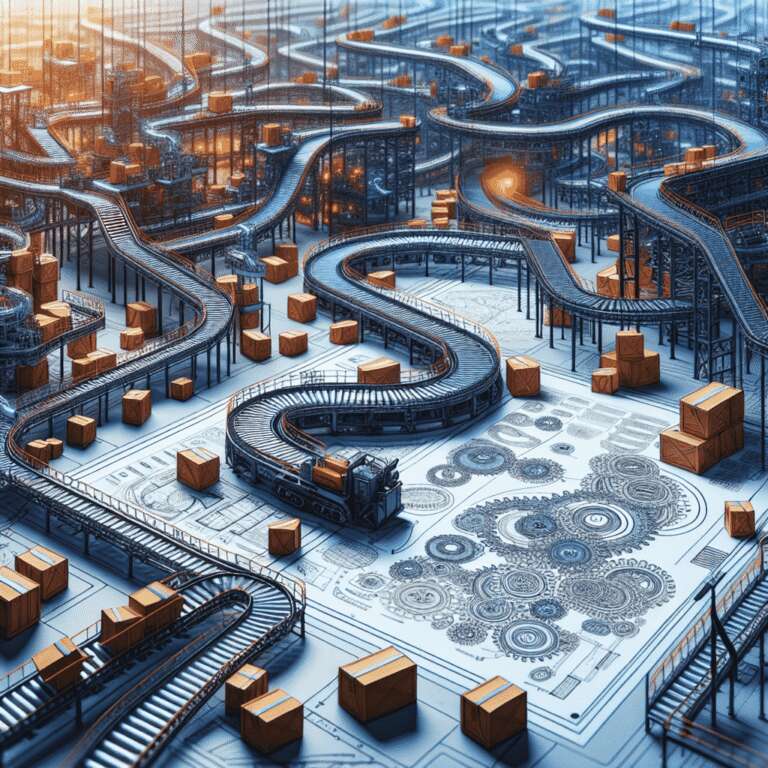
President Trump´s sweeping tariffs on international goods are raising concerns about their potential to derail the recent rebound in US manufacturing. While intended to foster a renaissance in American industry, the tariffs´ immediate effect is to raise input costs for critical supplies that are often imported, directly impacting factory investments and dampening demand. Industry analysts warn that the uncertainty created by these policies could undermine long-term manufacturing growth, which requires years of consistent investment and stable supply chains to flourish.
In parallel to the policy shifts, Artificial Intelligence is driving significant changes in creative fields such as architecture. Traditionally, a sharp divide has existed between built structures and conceptual designs due to the practical limits imposed by physics. Now, the emergence of advanced design technologies powered by Artificial Intelligence is expanding the realm of the possible, fueling a surge in innovative theoretical work. This transformation highlights both new opportunities and ongoing challenges as technology redefines creative practice.
National interest in Artificial Intelligence is also gaining momentum, with Donald Trump proposing to elevate it as a federal priority—even as his administration considers eliminating the agency responsible for implementing this agenda. The executive plan includes developing Artificial Intelligence courses and programs, although educators nationwide are grappling with already overburdened curriculums. Additional tech developments include changes to reporting rules for autonomous vehicles, Apple´s shift of iPhone assembly to India amidst tariff disruptions, and expanded use of Artificial Intelligence in military and welfare applications globally. Meanwhile, a feature on the quest to make Mars habitable for farming underscores the broad, interplanetary aspirations now entwined with technological progress.