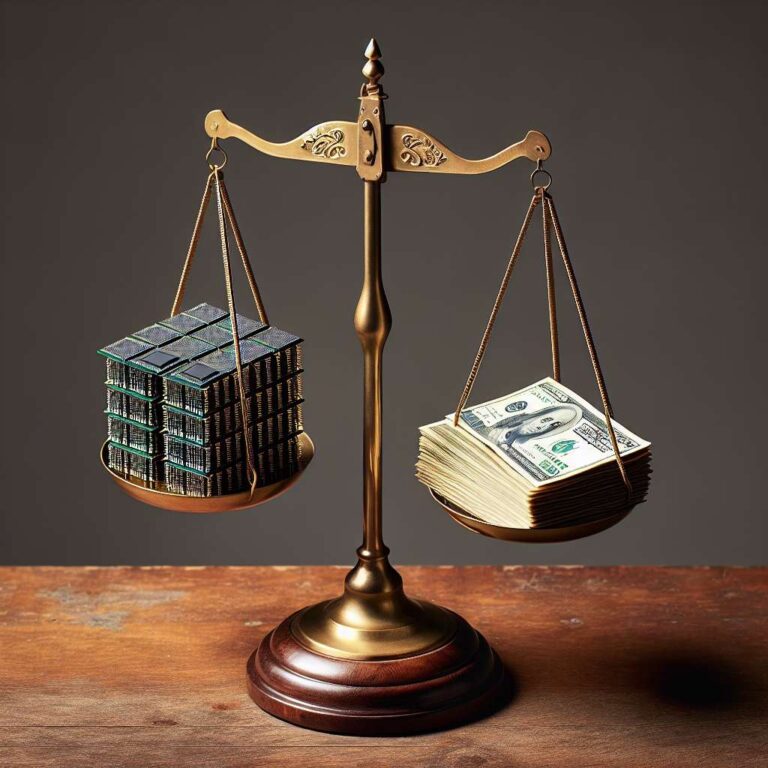
Nvidia and Advanced Micro Devices have agreed to pay the United States government 15% of revenue from products they sell in China, a White House official confirmed to ABC News. In return, the Trump administration will grant export licenses that pave the way for those sales. The Financial Times first reported the unusual quid quo pro, and President Trump publicly framed the deal as compensation for granting a commercial ´release´.
The arrangement covers specific chips developed with the Chinese market in mind. Nvidia previously said it won approval to sell its H20 chip to China, a product the company built to comply with export restrictions instituted under the prior administration. Nvidia also told ABC News it has not shipped H20 to China for months and said it supports export control rules that ´let America compete in China and worldwide´. Commerce secretary Howard Lutnick told CNBC the company is not selling its top-tier products to China, calling H20 its ´fourth best´ chip. AMD, which offers an MI308 chip for Chinese customers, is also part of the agreement but did not immediately respond to ABC News for comment.
The deal marks a rare direct financial exchange between the White House and private corporations tied to export approvals. Officials say the 15% revenue share is the price for issuing the export licenses. Some observers worry allowing advanced artificial intelligence chips into China could accelerate that country´s capabilities in a strategically important industry. The administration has pushed back, arguing the H20 is not equivalent to the most advanced chips sold domestically. The move follows other recent interventions by the Trump administration in corporate affairs, including a ´golden share´ arrangement in a separate acquisition and public pressure directed at an intel CEO. The longer term effects of tying export permissions to revenue sharing remain uncertain, but the deal sets a clear precedent for how commercial access and national policy may be negotiated in the semiconductor era.