
Thunder Code secures funding to advance agentic artificial intelligence software testing

French startup Thunder Code has raised new funds to accelerate autonomous, Artificial Intelligence-powered software testing solutions.

French software testing startup Thunder Code has announced the successful closure of a funding round, led by Silicon Badia with participation from Janngo.africa, Titan Seed Fund, MEDIN Fund Management, and leading angel investors. The financial boost is anticipated to accelerate Thunder Code´s mission of revolutionizing software testing through agentic Artificial Intelligence. While the exact sum remains undisclosed, the investment underscores significant confidence in the company’s approach to autonomous quality assurance.

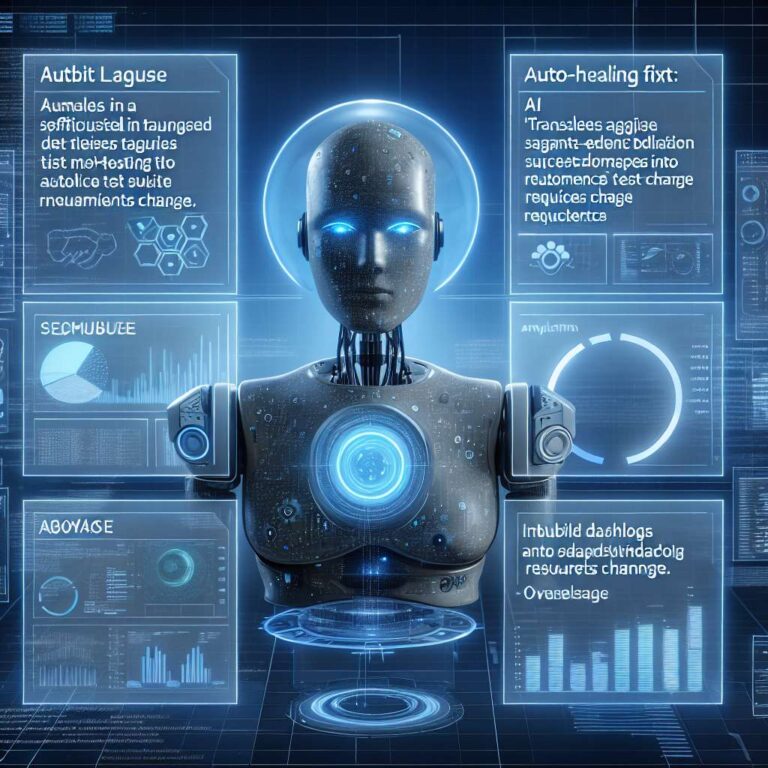
Thunder Code’s core product leverages agentic Artificial Intelligence to transform conventional testing practices. The platform allows users to write test cases in plain language, which the Artificial Intelligence then automatically converts into sophisticated, automated tests. It also ingests existing product documentation, bug reports, and specifications, generating comprehensive test suites that evolve alongside the codebase. One standout feature is intelligent auto-healing, enabling the Artificial Intelligence agent to proactively detect and fix issues when software changes cause automated tests to break.

The startup further promises robust data visualizations designed to highlight the quality assurance team’s value, making it easier to monitor coverage, execution times, and return on investment through interactive dashboards. The smart reporting system not only detects recurring testing patterns but also identifies potential areas for improvement, providing actionable insights alongside detailed reports. With fresh backing from a blend of global and regional investors, Thunder Code is positioned to advance fully autonomous, Artificial Intelligence-driven software testing across industries, aiming to raise efficiency and quality standards in continuous integration and deployment environments.
63

Impact Score

European Union moves to streamline and tighten Artificial Intelligence rules

The European Union is advancing parallel efforts to simplify parts of its Artificial Intelligence rulebook while moving toward tougher restrictions on tools used to create non-consensual sexual content. The latest steps combine broader regulatory streamlining with targeted action against harmful image and audio generation systems.

Y Combinator machine learning startups in 2026

Y Combinator’s 2026 machine learning directory highlights a broad mix of startups spanning infrastructure, robotics, healthcare, developer tools, data systems, and enterprise software. The list shows how deeply Artificial Intelligence and machine learning are being applied across industrial, scientific, and business workflows.

Artificial Intelligence platform choice becomes a board decision

Competition among leading Artificial Intelligence providers is shifting from model benchmarks to control of broader platforms and ecosystems. That change turns large language model selection into a long term strategic decision for boards, not just engineering teams.

Memory makers see shortages easing in late 2028

Memory manufacturers expect shortages to continue until the end of 2028, with supply and demand returning to balance afterward. Producers are also reassessing whether to extend capacity expansion beyond plans already tied to current demand.

EuroHPC JU signs contract for Artificial Intelligence supercomputer HammerHAI

EuroHPC JU has signed a contract with HPE to deploy HammerHAI, the first new standalone supercomputer under its Artificial Intelligence Factories initiative. The system is planned for HLRS in Germany and is designed to expand computing capacity for Artificial Intelligence, machine learning, and data science.

Contact Us

Got questions? Use the form to contact us.

Contact Form

Clicking next sends a verification code to your email. After verifying, you can enter your message.