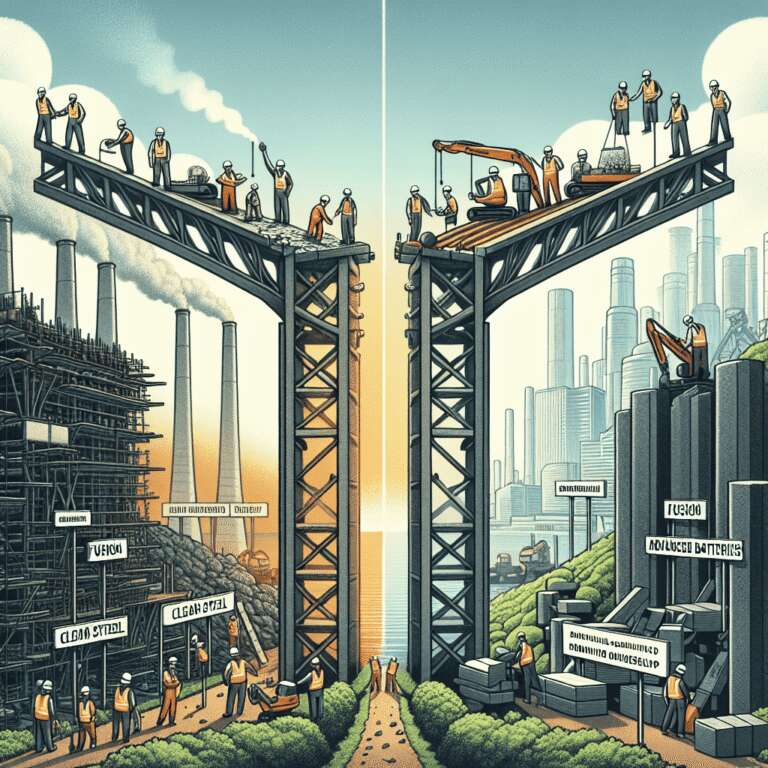
The Trump administration´s push for ´American energy dominance,´ marked by a barrage of executive orders and aggressive tariffs, is generating economic instability and stifling both traditional and emerging players in the evolving energy sector. As the administration pauses its tariff strategy, experts argue this is a critical moment for the U.S. to realign trade policies with a long-term industrial vision centered on next-generation energy technologies rather than short-term protectionism.
America’s abundant natural resources have secured its status as a leading energy exporter, but global markets are pivoting toward advanced, value-added clean energy solutions. The U.S. was once at the forefront of clean technology innovation—including solar photovoltaics and electric vehicles—though manufacturing and exports often shifted overseas, particularly to China. Today, U.S. advancements in fusion, clean steel, advanced batteries, and industrial heat pumps could provide both emissions reductions and higher economic value, if supported by focused investment and smart trade policy.
Historically, bipartisan investments in research and development, such as those through ARPA-E and the Office of Clean Energy Demonstrations, laid the groundwork for current breakthroughs. Yet, these gains are threatened as the administration considers rolling back clean-energy investments from key legislation like the Bipartisan Infrastructure Law and Inflation Reduction Act. Experts warn that eliminating these programs would undermine job growth, manufacturing capacity, and global competitiveness.
Instead of sweeping tariffs that raise costs on essential materials and provoke retaliatory measures, the U.S. should deploy carefully targeted trade measures to protect strategic sectors—such as electric vehicles and batteries—while fostering a level playing field against pollution-heavy overseas competition. Broader border adjustment policies and the preservation of critical raw material imports are also vital to support domestic manufacturing. Ultimately, the U.S. must harness its talented workforce to build high-value industrial technologies, positioning itself as a global leader in the clean energy transition and ensuring economic resilience and geopolitical advantage.