US prosecutors have charged three Chinese businessmen with allegedly diverting high-performance computer servers assembled in the United States and integrating sophisticated US Artificial Intelligence technology to China. The defendants are Yih-Shyan “Wally” Liaw, co-founder of Supermicro; Ruei-Tsang “Steven” Chang, a Supermicro sales manager in Taiwan; and Ting-Wei “Willy” Sun, a Supermicro contractor. Supermicro said Liaw and Chang have been placed on administrative leave, while Sun has been terminated.
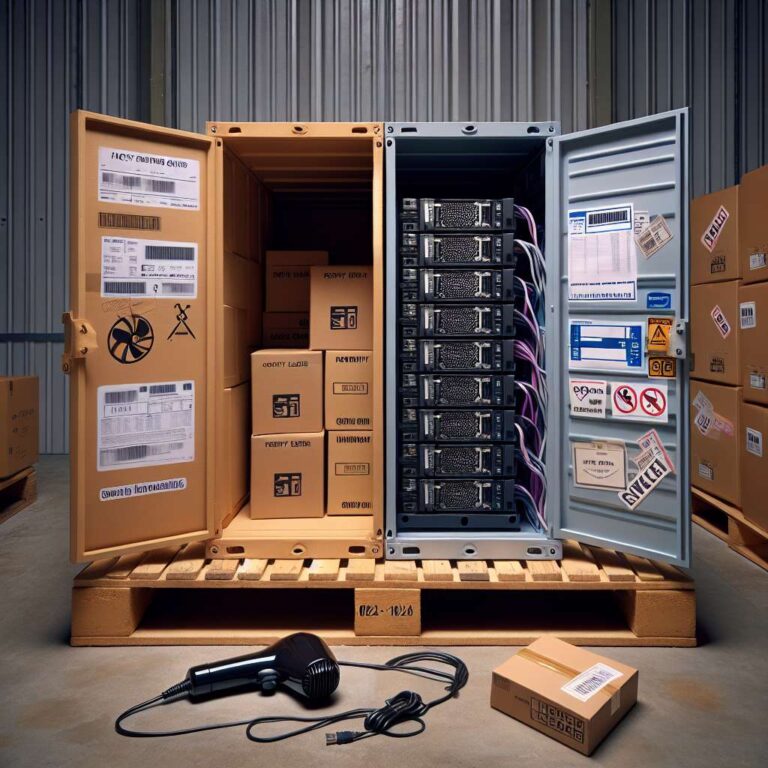
Supermicro said it is not named as a defendant in the indictment and described the alleged conduct as a contravention of the company’s policies and compliance controls, including efforts to circumvent applicable export control laws and regulations. Prosecutors allege the three men used false documents and transshipment tactics to evade export laws. According to the indictment, dummy servers were staged in the United States to mislead inspectors while the real servers were shipped to China. The Department of Justice also cited a scheme in which workers allegedly used a hair dryer to remove labels and serial number stickers so they could be transferred to server boxes and dummy servers, and said surveillance footage reportedly captured the process.
Jay Clayton, US attorney for the Southern District of New York, said the defendants attempted to export chips through a web of lies, obfuscation, and concealment to drive sales and generate revenue in violation of US law. Prosecutors argue that such diversion schemes generate billions of dollars in illicit gains and present a direct threat to US national security. The total sum put on the purchased servers sits at $2.5 billion, reportedly purchased between 2024 and 2025. The count of conspiring to violate the Export Controls Reform Act carries a maximum prison sentence of 20 years, while the count of conspiring to smuggle goods from the United States carries a maximum sentence of 5 years.
The case lands amid a broader struggle over access to advanced chips for Artificial Intelligence development between the United States and China. Chinese buyers are seeking whatever Artificial Intelligence chips they can obtain to keep building and refining competing models, while the US has been tightening export restrictions. The charges remain allegations, not proof of wrongdoing. Prosecutors noted that every fact described should be treated as an allegation pending further proceedings.