
TIER IV updates Level 4 autonomous driving release
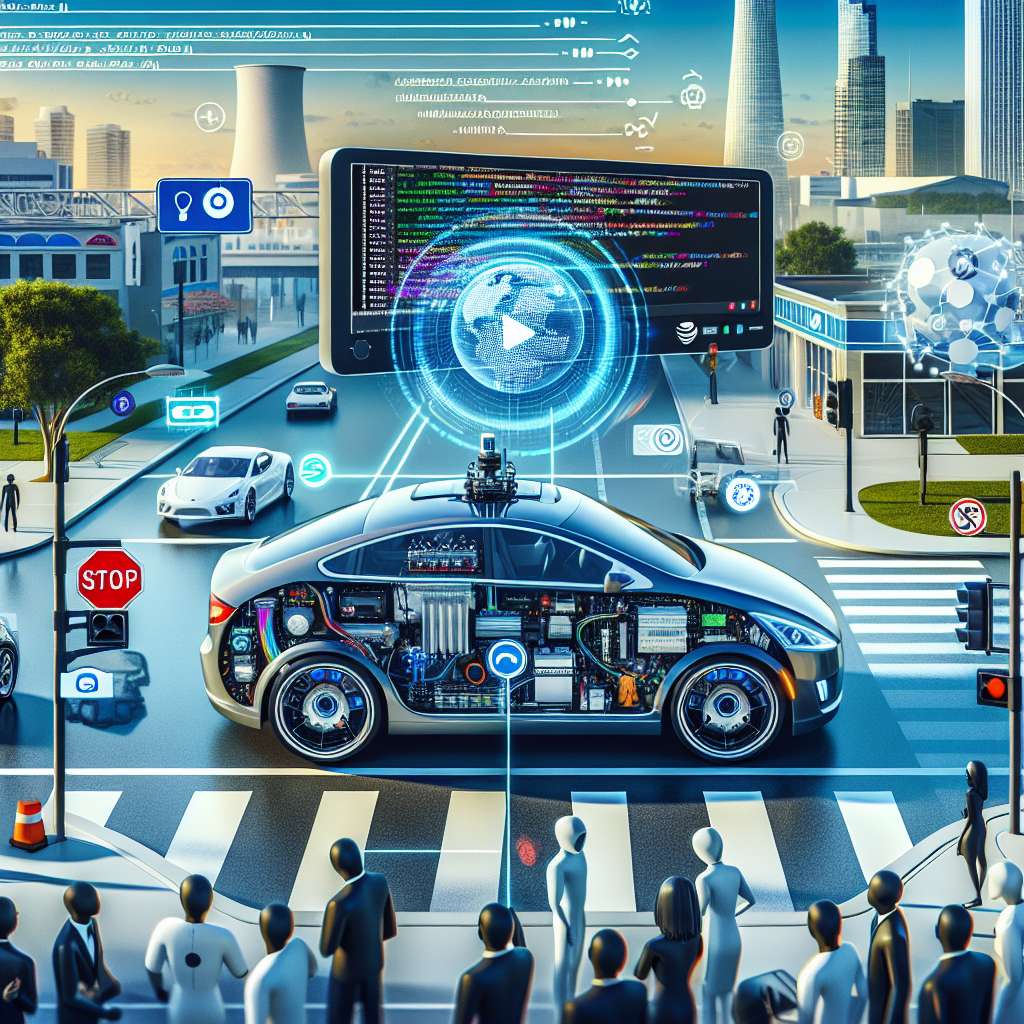
TIER IV issued a correction to its March 15, 2026 announcement on data-centric Artificial Intelligence software stacks for Level 4 autonomous driving. The update adds video scenes for a Tokyo test drive demonstration and revises the YouTube link, while keeping the broader platform and testing plans intact.
Artificial Intelligence reshapes commerce media workflows

Commerce media leaders see Artificial Intelligence moving from experimentation to practical deployment across planning, targeting, bidding, measurement, and creative operations. The next 12 months are expected to bring stronger automation, new measurement approaches, and growing pressure to improve governance and user trust.
Artificial Intelligence is reshaping the video game industry

Artificial Intelligence is drawing a sharp backlash in gaming as developers and players worry about layoffs, weaker creative work and rising hardware strain. Industry leaders remain divided over whether the technology will expand creativity or erode the craft behind games.
Financial services faces deregulation, Artificial Intelligence expansion, and tougher UK fraud rules

Financial services firms are navigating a mix of lighter regulation, faster Artificial Intelligence adoption, and stricter fraud accountability in the UK. The shifts are reshaping compliance, operating models, and governance across banks, insurers, and asset managers.
Generative Artificial Intelligence use cases gain traction in finance
Financial institutions are moving beyond experimentation as generative Artificial Intelligence becomes embedded in claims, customer insight, and service workflows. Firms are pairing foundation models with proprietary data and domain expertise to improve speed, consistency, and business outcomes.
Supermicro executives charged over NVIDIA Artificial Intelligence GPU exports to China

U.S. charges target Supermicro co-founder and CEO Yih-Shyan “Wally” Liaw and two other executives over alleged diversion of NVIDIA Artificial Intelligence GPUs to China. Supermicro says it has suspended two executives, terminated a third, and is cooperating with the investigation.
Supermicro co-founder charged in alleged chip smuggling scheme
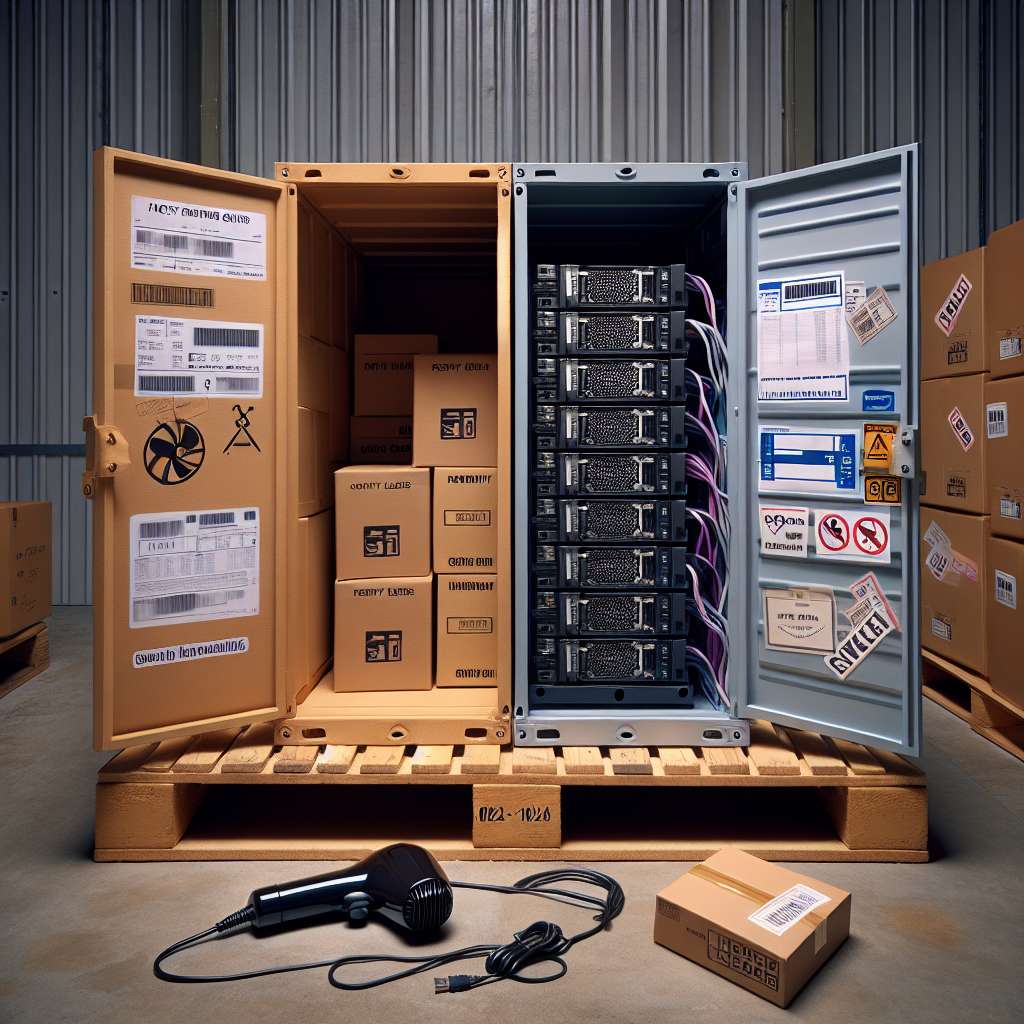
US prosecutors have charged three men, including Supermicro co-founder Yih-Shyan “Wally” Liaw, with allegedly diverting high-performance servers containing sophisticated US Artificial Intelligence technology to China. Supermicro says the company is not named as a defendant and has placed two employees on leave while ending ties with a contractor.
Intel bets on GPUs to extend its turnaround
Intel is trying to build on early signs of recovery by pushing deeper into GPUs for Artificial Intelligence data centers and consumer devices. The strategy hinges on sustained demand, sharper execution, and a broader effort to restore confidence in the company.
Neuro-symbolic models cut energy use and improve robot task performance
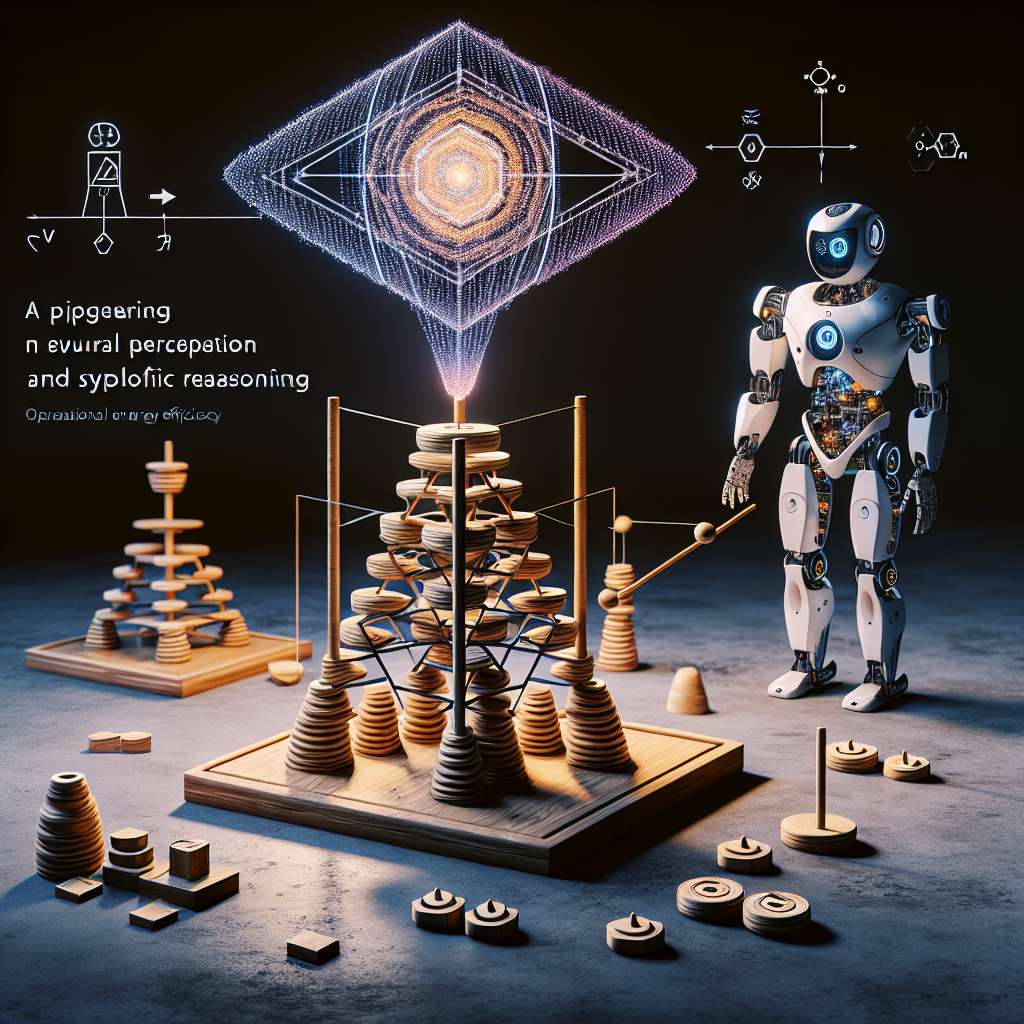
Researchers at Tufts University report that neuro-symbolic Artificial Intelligence systems could sharply reduce power consumption while improving accuracy in robot control tasks. The approach combines neural network learning with symbolic reasoning to limit trial and error and improve reliability.
Artificial Intelligence tool shows promise in diagnosing advanced heart failure

A new model uses cardiac ultrasound data and electronic health records to help identify advanced heart failure without relying solely on specialized exercise testing. Researchers say the approach could broaden access to earlier risk assessment and improve care for patients who are often missed.