
SK Hynix warns of tight commodity DRAM supply through 2028

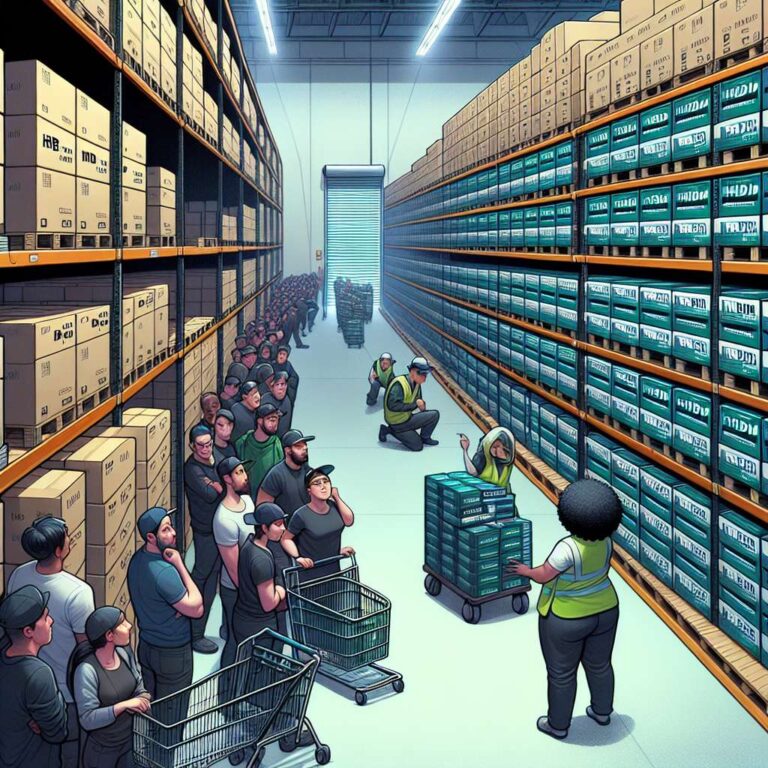
SK Hynix expects tight supply of commodity DRAM such as DDR5, GDDR6, and LPDDR5x to persist through 2028, putting gamers and PC buyers at risk of higher memory prices, while advanced HBM and SOCAMM lines continue to expand capacity for Artificial Intelligence hardware.

SK Hynix has reportedly informed employees in an internal meeting that the company now forecasts the tight memory supply to last through 2028 for the commodity DRAM segment. The forecast covers DDR5/DDR4, GDDR6/GDDR7, and LPDDR5x/LPDDR6, which are fundamental components in modern PCs and game consoles. With these mainstream memory types expected to remain constrained, the company signaled that millions of gamers could be exposed to a significant increase in memory prices over the next several years.

According to the company’s outlook, as memory supplier inventories deplete, production capacity will not increase to meet demand as it has in the past. This represents a notable shift from the traditional behavior of memory manufacturers, who typically ramp up capacity in response to rising demand in order to stabilize prices and ensure supply. The decision not to follow the historical pattern suggests a more cautious and tightly managed approach to commodity DRAM output, which could prolong high pricing and limited availability for consumer hardware.

SK Hynix emphasized that the constrained forecast does not apply to its most advanced memory solutions, specifically HBM and SOCAMM. These product lines are expected to receive additional capacity expansion, and tight supply is not anticipated to impact this part of the DRAM supply chain. The company noted that HBM and SOCAMM are already in high demand, in part because they are consumed in higher volume than regular commodity DRAM due to their integration into Artificial Intelligence products such as GPUs and servers.
57

Impact Score

Indiana launches Artificial Intelligence business portal

Indiana is rolling out IN AI, a statewide portal meant to help employers adopt Artificial Intelligence with practical guidance, workshops and peer support. State leaders and business groups are positioning the effort as a way to raise productivity, wages and job growth while keeping workers at the center.

Goodfire launches model debugging tool for large language models

Goodfire has introduced Silico, a mechanistic interpretability platform designed to let developers inspect and adjust model behavior during development. The company is positioning it as a way to give smaller teams deeper control over open-source models and more trustworthy outputs.

Nvidia launches nemotron 3 nano omni for enterprise agents

Nvidia has introduced Nemotron 3 Nano Omni, a multimodal open model designed to support enterprise agents that reason across vision, speech and language. The launch extends Nvidia’s push beyond hardware into models and services while targeting more efficient agentic workflows.

Intel 18A-P node improves performance and efficiency

Intel plans to present new results for its 18A-P process at the VLSI 2026 Symposium, highlighting gains in performance, power efficiency, and manufacturing predictability. The updated node is positioned as a stronger option for customers seeking 18A density with better operating characteristics.

EA CEO defends broader Artificial Intelligence use in game development

EA CEO Andrew Wilson defended the company’s internal use of Artificial Intelligence after employee claims that the tools were slowing work rather than helping. He framed the technology as an aid for repetitive quality assurance tasks, even as concerns persist over its broader impact on development.

Contact Us

Got questions? Use the form to contact us.

Contact Form

Clicking next sends a verification code to your email. After verifying, you can enter your message.