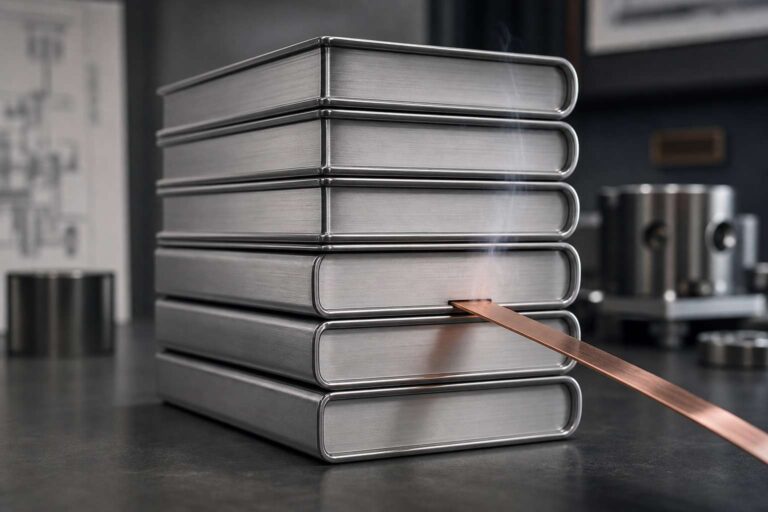
SK hynix has launched the iHBM solution, which embeds integrated cooling elements, or ICEs, within the high-bandwidth memory package for next-generation HBM products. The move addresses a growing heat management challenge as HBM technology advances with higher stacking and faster speeds to meet rising demand for Artificial Intelligence data processing.
Power density in the Die-to-Die Physical Layer, or D2D PHY, has become a central issue for next-generation HBM. This interface, which connects HBM and GPU, is increasingly important to overall product competitiveness as thermal loads rise in more advanced memory designs.
The iHBM solution takes a structural approach to heat management. Existing HBM products rely on an indirect cooling method that draws heat away through the core die. In contrast, iHBM places ICEs directly in the D2D PHY area where heat concentration is the highest, creating an additional heat dissipation path.
This latest heat management solution helps reduce thermal resistance by 30% and enables chips to operate stably even in high-temperature and high-pressure conditions. The design positions thermal control in the hottest part of the package as a core element of performance and stability for future HBM products aimed at Artificial Intelligence workloads.