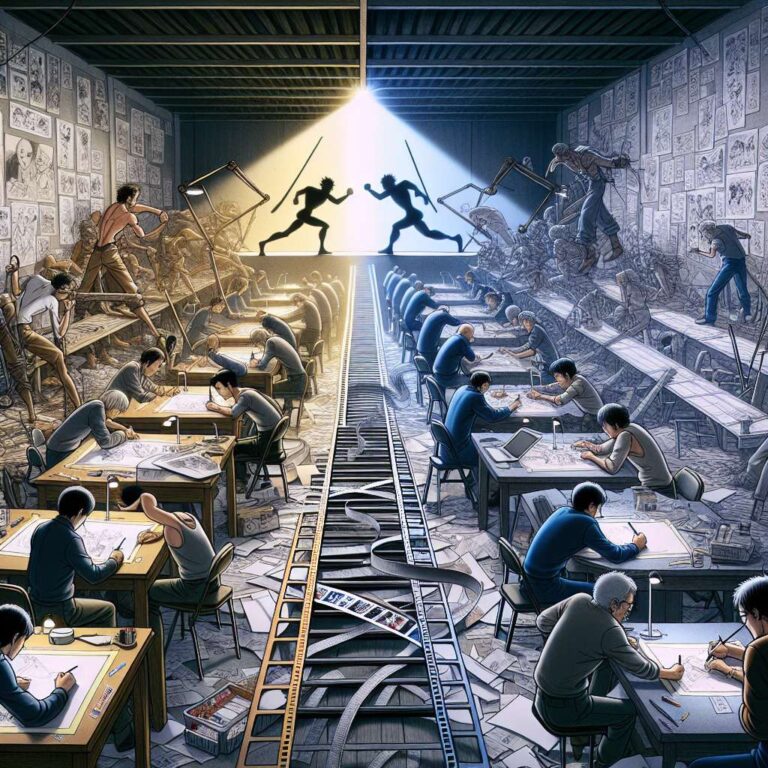
A newly released artificial intelligence generated video using Seedance 2.0 has rekindled debate over the role of artificial intelligence in animation and filmmaking by recreating a key fight sequence from the anime Jujutsu Kaisen. The clip, produced by a Douyin user identified as 桥海鱼 (ID: 1616390522), depicts a highly realistic battle between fan favourites Ryomen Sukuna and Satoru Gojo. Viewers on social media platform X highlighted the detailed choreography, cinematic framing and nuanced character movement, noting that the video closely resembles studio quality anime rather than apparent machine generated output. The sequence features fast paced combat, dynamic camera angles, impact frames and fluid motion typically associated with high budget productions.
The Jujutsu Kaisen franchise, based on Gege Akutami’s manga, is known for complex fight choreography and visually ambitious set pieces, and the rivalry between Gojo and Sukuna is among its most anticipated confrontations. That backdrop helped turn the Seedance 2.0 clip into a viral flashpoint. Enthusiastic users framed it as a breakthrough for artificial intelligence assisted filmmaking, with one post declaring that “Seedance 2.0 just broke filmmaking” and arguing that ideas once limited to imagination can now be created by simply typing prompts. Supporters praised how the video brought Sukuna vs Gojo “to life with fluidity, weight, and timing straight out of an anime” and claimed that “every movement carries proper momentum and physicality.” Some saw the technology as a potential replacement for traditional production studios, calling artificial intelligence “the production studio.”
Critics, however, questioned the originality, artistic value and dependence on existing material. One reaction argued that work like this “literally isn’t possible without the anime itself already existing” and dismissed the result as “genuinely unimpressive,” coupled with explicit rejection of artificial intelligence. Others compared the visuals unfavourably to established series, describing the output as “AI slop that looks worse than 7DS season 3,” and linked the appeal of such tools to frustration over long waits for new seasons of popular shows. The controversy arrives as generative video models rapidly improve, enabling users to produce complex sequences from prompts and reference content while intensifying concerns about authorship, copyright and the future of creative labour. Supporters present these tools as a way to democratise animation and lower production barriers, while opponents warn they are built on existing artistic works and could disrupt or displace traditional animation pipelines.