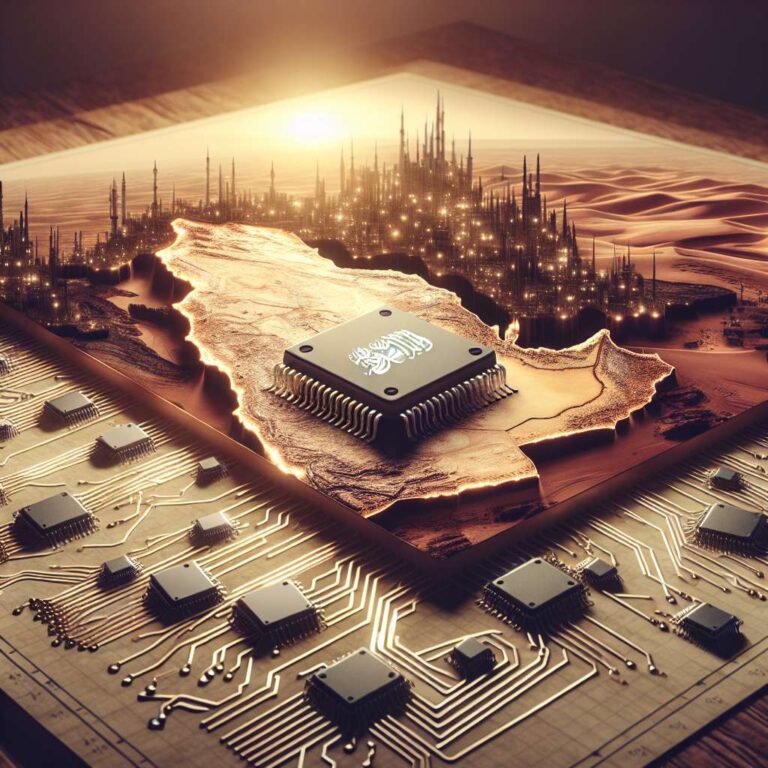
Saudi Arabia has made notable moves in the global technology landscape by executing a major purchase of semiconductor chips aimed at bolstering its Artificial Intelligence ambitions. The country´s acquisition highlights an ongoing strategy to rapidly enhance its digital infrastructure and position itself as a leader in emerging technologies. Such initiatives are central to Riyadh´s Vision 2030 plan, which emphasizes diversification away from reliance on oil revenues and increased investment in high-tech industries.
This strategic procurement comes at a time when the global semiconductor market is experiencing unprecedented growth, propelled largely by surging demand for Artificial Intelligence and machine learning applications. With companies such as Nvidia and AMD driving the sector to new historic highs, Saudi Arabia´s involvement signals its intention to become an influential player not just as a consumer, but potentially as an investor and innovator within this space. The development aligns with recent trends whereby nation-states invest heavily in next-generation chipsets, both to gain a technological edge and to secure supply chains crucial for future digital sovereignty.
Industry observers have noted that Saudi Arabia´s chip acquisitions could accelerate its domestic Artificial Intelligence projects, foster regional technology hubs, and attract global talent and partnerships. The increased activity in chip investments underscores the critical intersection between national policy, Artificial Intelligence capability development, and the semiconductor supply chain. As global demand shows no sign of abating, Saudi Arabia´s bold steps may soon ripple through international markets and influence the strategic calculus of technology firms and other governments worldwide.