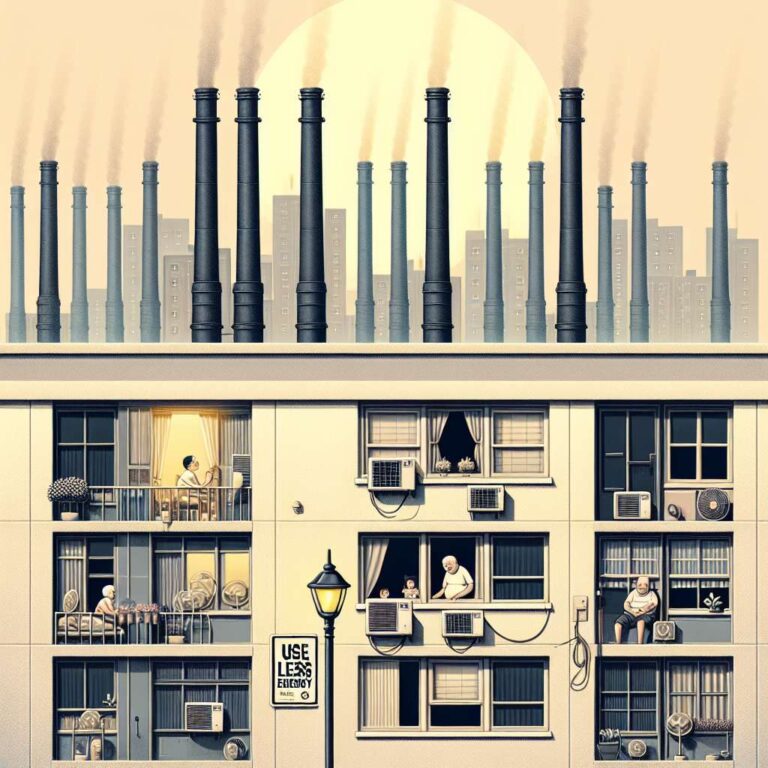
Air-conditioning frequently finds itself targeted in debates about energy consumption and climate change, with critics pointing to its ever-increasing share of global electricity demand. However, this discourse often overlooks the crucial, even life-saving role cooling systems play as temperatures rise due to human-caused climate change. Recent data from World Weather Attribution highlights the deadly consequences of European heat waves, attributing over 2,300 deaths to a recent event—most of which would have been avoided in a cooler world.
European countries, historically comfortable without widespread air-conditioning, are now confronting heat more intense than previous generations could have imagined. With the United Kingdom experiencing an average increase of more than a degree Celsius over past decades, techniques like fans and shade alone can no longer ensure basic comfort or safety. The reaction on social media and opinion pages has been swift and often negative, calling for restraint or even a cultural acceptance of discomfort rather than greater reliance on air-conditioning. Yet in places like the United States, where 90% of homes rely on cooling, air-conditioning is recognized as essential, not merely for comfort but for preventing heat-related illnesses and deaths, particularly among vulnerable groups like the elderly or chronically ill.
When considering the full scope of energy consumption, air-conditioning is not the indisputable villain some suggest. While it accounts for 19% of US residential electricity, this figure is outstripped by the total energy used for space heating—heating represents 42% of overall residential energy, with much of it coming from natural gas. The nuances matter: there´s a distinction between necessary cooling to stay safe and excessive, wasteful use. Ultimately, as climate change forces higher temperatures and more frequent heat waves, the true solution lies in smarter energy management and climate resilience planning rather than demonizing life-preserving technologies like air-conditioning.