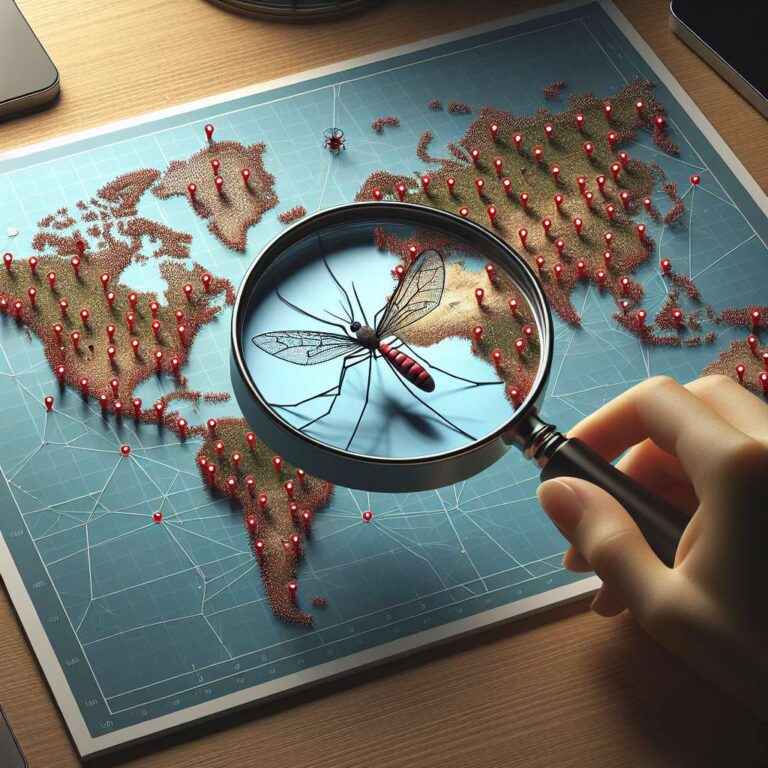
Amid Tampa Bay´s active mosquito season, University of South Florida´s associate professor Ryan Carney is leading a groundbreaking initiative to track mosquito populations and their potential health risks. Carney´s work, recognized by the 2025 Excellence in Innovation Award, brings together patented artificial intelligence technology and citizen science to identify and monitor invasive and disease-spreading mosquito species. By partnering with citizen reporting apps such as iNaturalist, Mosquito Alert, and NASA´s GLOBE Observer, the research team gathers real-time, crowd-sourced data from the public to map mosquito biodiversity and identify high-risk areas in Tampa Bay and globally.
Mosquito data collected via these digital platforms is consolidated in the Global Mosquito Observations Dashboard, which visualizes sightings and supports mosquito control measures not only in Florida´s Hillsborough County but across continents. In a recent interview, Carney noted Tampa Bay´s extraordinary diversity of mosquito species—over 90, with 14 from the Anopheles genus known for malaria transmission. His research highlights the mosquito´s infamous reputation as the world´s deadliest animal, transmitting diseases such as malaria, dengue, West Nile virus, yellow fever, Zika, chikungunya, and lymphatic filariasis. With approximately 700 million infections and a million deaths each year attributed to mosquitoes, the urgency for innovative control strategies is acute.
Funded by the National Science Foundation and National Institutes of Health, Carney collaborates with Sriram Chellappan from the Bellini College of Artificial Intelligence, Cybersecurity and Computing to develop and patent a next-generation mosquito trap. This smart device uses artificial intelligence algorithms to identify mosquito species from high-resolution photos, potentially alerting health authorities in real-time about outbreaks or increased risk in specific areas. Results are rapidly shared with both local authorities and users, allowing efficient, remote monitoring. The device is being prepared for field trials in Tampa Bay and select regions in Africa, with hopes for affordable, widespread deployment. Carney´s recent recognition by organizations such as The Explorers Club and the National Academy of Inventors underscores the innovation and global significance of this multidisciplinary, technology-driven approach to fighting the world´s most dangerous animal.