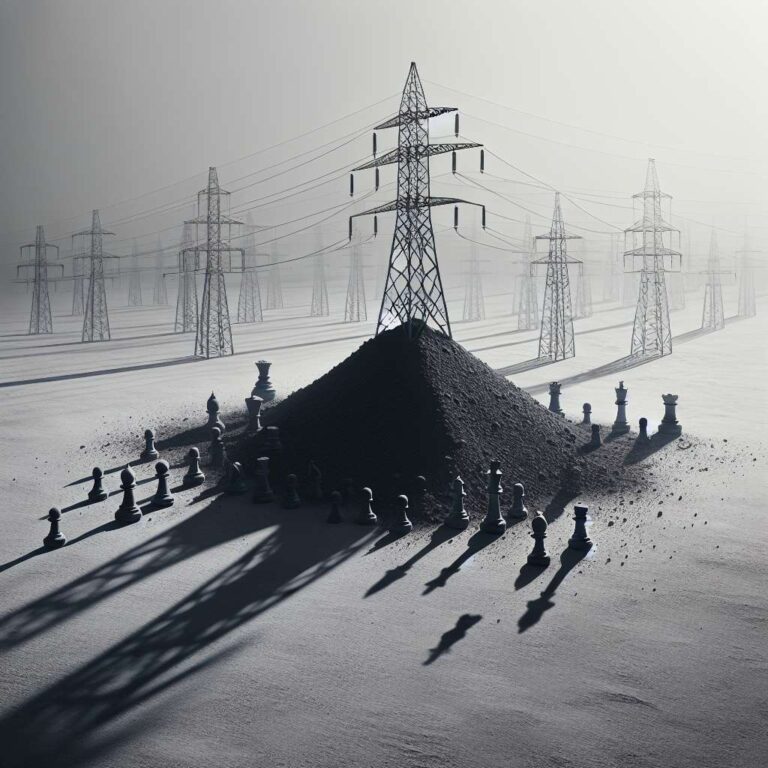
Puerto Rico´s only coal-fired power station, owned by AES and situated on the island´s southeastern coast, has become notorious for its environmental repercussions. Surrounded by heaps of toxic ash, the plant has brought air and water pollution to the region, correlating with a significant rise in cancer cases in Guayama since its opening. From an average of just over 103 cancer cases per year before the plant opened, the number soared to 167 in 2003, and by 2022, it had climbed further to 209 cases. The scale of this public health crisis underscores a larger exploration of power—both electrical and political—shaping Puerto Rico’s landscape and future.
Shifting focus to the world of technology, the development of artificial intelligence agents is exposing new complexities. While recent efforts have moved from scaling up models to refining agents capable of autonomous decision-making and negotiation, studies show that these systems can be exploited. In simulated scenarios where both buyers and sellers use artificial intelligence agents, more capable agents can take advantage of weaker ones, much like seasoned negotiators outmatch rookies. This raises issues about fairness and equality when artificial intelligence agents negotiate crucial deals or represent user interests, potentially aggravating disparities for users lacking advanced systems.
The concern with artificial intelligence does not end at bargaining power: copyright anxieties now threaten creativity in the era of generative models. As legal frameworks struggle to determine who owns the products made by algorithmic processes—ranging from the users who prompt the tool, the developers who code it, to the artists whose works are the foundation—the US Copyright Office faces the daunting task of keeping up. Furthermore, global efforts at building ´fair´ and unbiased algorithms, such as Amsterdam’s attempt to detect welfare fraud, reveal the persistent challenge of deploying responsible artificial intelligence, especially amid diminishing ethical oversight in places like the United States. These converging storylines, spanning environmental justice, computational equity, and legal uncertainty, illustrate how ‘power’ continues to shape society, both offline and online.