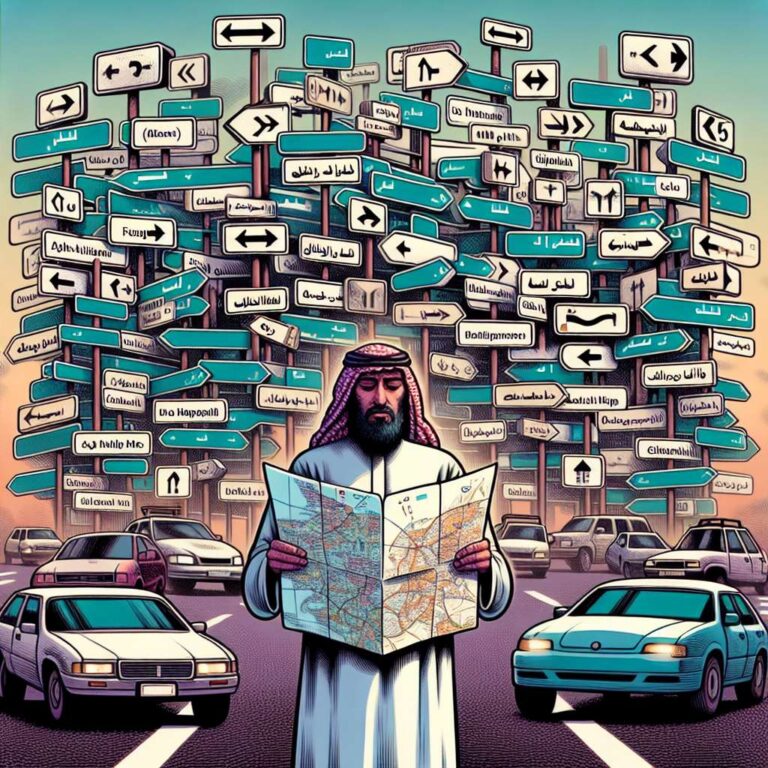
Bret Taylor, chairman of OpenAI, has candidly acknowledged that even someone at the heart of the Artificial Intelligence revolution struggles to stay on top of the field’s staggering progress. In a discussion hosted by South Park Commons with Aditya Agarwal, Taylor admitted, ´I run a fairly successful applied AI company, and I have trouble keeping up with everything going on.´ Despite being in what he called a privileged position, Taylor described the current wave of advancements as ´insane,´ characterized by relentless innovation and intense competition.
Taylor’s remarks highlight just how dizzying the landscape has become. The Artificial Intelligence sector, he noted, is experiencing a historic technological renaissance, with new models, startups, and tools emerging at a remarkable rate. Formerly undisputed leaders like OpenAI are now facing stiff competition from Google’s Gemini, Elon Musk’s Grok, and Chinese open-source challengers such as DeepSeek and Kimi. This innovation rush is not only reshaping the industry but broadening its impact; ChatGPT is now the fifth most visited website globally, while niche Artificial Intelligence tools proliferate almost daily. Even OpenAI’s interest in acquiring startups like Windsurf demonstrates the need to monitor—and sometimes partner with—rising players.
Amid this furious pace, Taylor offers a message that is both reassuring and practical, asserting the ongoing value of formal computer science education. He distinguishes between learning to code and acquiring systems thinking, emphasizing foundational concepts like logic and algorithmic efficiency that remain beyond the reach of current Artificial Intelligence capabilities. Taylor’s viewpoint is echoed by Bill Gates, who told The Tonight Show that programming will remain a fundamentally human occupation for at least the next century, given the creative judgment and pattern recognition involved. Gates likened tools such as GitHub Copilot and ChatGPT to ´power chisels´ that enhance productivity, but insisted that the unique blueprint for innovation still resides with humans. Their comments underscore that, despite the transformative disruption, Artificial Intelligence continues to serve as a tool—and not a replacement—for human ingenuity and creativity.