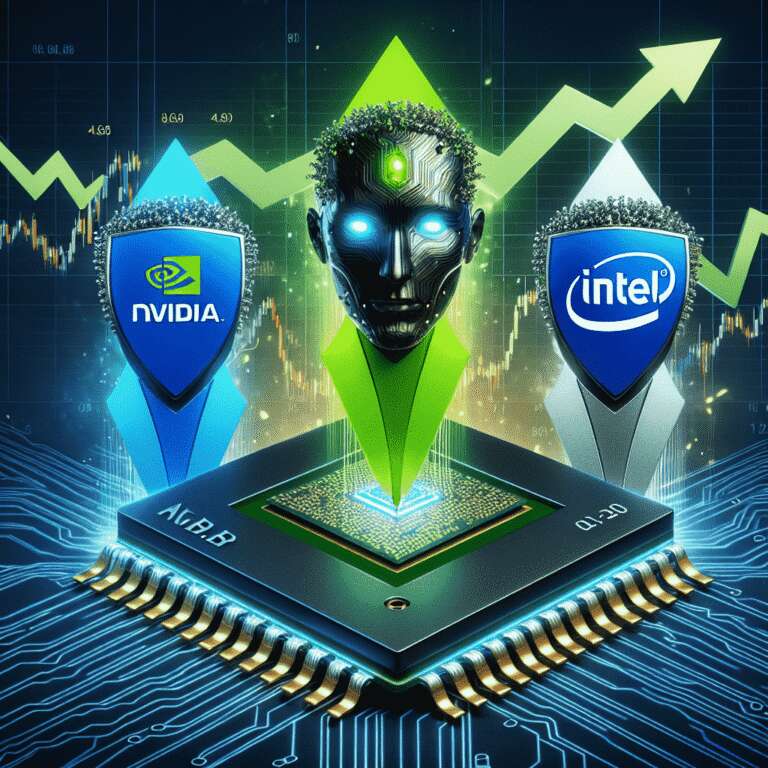
Nvidia has long held a first-mover advantage in the Artificial Intelligence chip sector, enabling rapid growth and market share dominance. The company has become synonymous with cutting-edge AI hardware used in a variety of sectors, from data centers to advanced robotics, fueling investor optimism and propelling its stock price to remarkable highs.
However, this leadership position is increasingly facing challenges from formidable rivals like Advanced Micro Devices (AMD) and Intel. Both companies are intensifying their efforts to narrow the technology gap, launching new hardware architectures and expanding supply capabilities to secure larger slices of the Artificial Intelligence hardware market. This growing competition signals a shift from Nvidia´s once-uncontested supremacy and could lead to price pressures or a slower pace of growth if customers have viable alternatives.
The competitive landscape is raising questions for investors about the long-term prospects for Nvidia´s stock. While CEO Jensen Huang continues to underscore Nvidia´s innovation leadership—emphasized by high-profile public appearances and partnerships—the market’s sentiment may hinge on Nvidia´s ability to maintain its edge amid tighter competition. As new players enter and existing competitors ramp up, Nvidia will need to balance innovation, supply chain management, and pricing power to remain an attractive prospect for investors considering buy, sell, or hold positions.