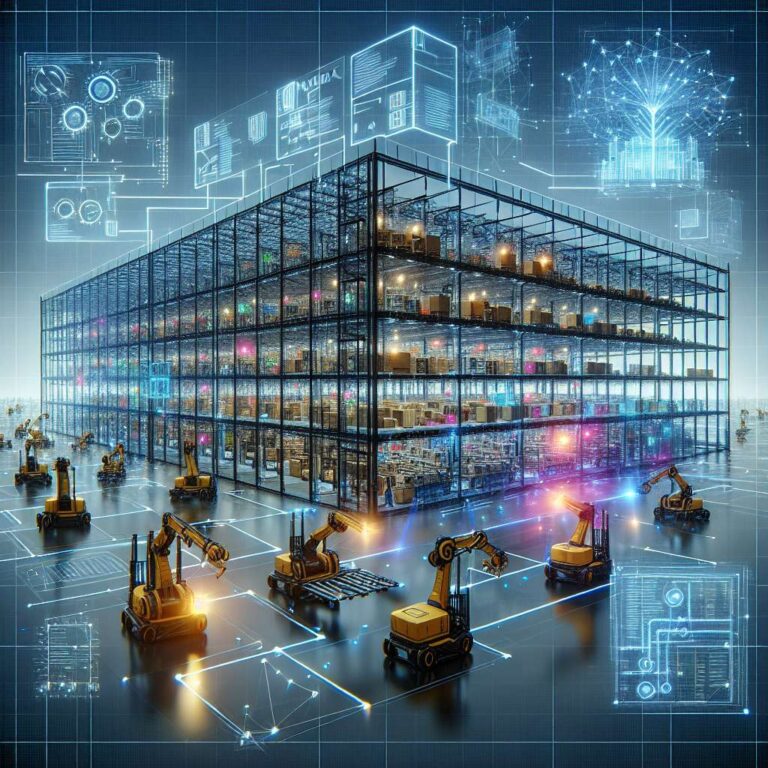
Nvidia has released two open-source developer blueprints aimed at modernizing the retail pipeline, targeting both warehouse operations and product catalog management. The Multi-Agent Intelligent Warehouse blueprint creates a synchronized artificial intelligence system that sits above existing warehouse management systems, enterprise resource planning tools, robotics and internet of things data to give teams real-time, explainable operational intelligence. In parallel, the Retail Catalog Enrichment blueprint focuses on automating rich product onboarding and localized marketing, addressing the persistent problem of sparse and inconsistent catalog data that slows down digital retail workflows.
The Multi-Agent Intelligent Warehouse blueprint introduces a layer of coordinated artificial intelligence agents that sit between information technology and operational technology, helping bridge a long-standing gap in warehouse environments. These agents specialize in equipment asset operations, operations coordination, safety compliance, forecasting and document processing, and are orchestrated by a central warehouse operational assistant that mirrors how warehouses actually run. Supervisors can query the system in natural language to diagnose issues such as slow packing, with the assistant analyzing equipment status, task queues and staffing data, surfacing the root cause, and recommending actions like rebalancing work or adjusting task priorities. The blueprint also incorporates production-grade features including role-based access control and policy guardrails so operations teams can rely on artificial intelligence to coordinate real equipment and safety-critical decisions.
The Retail Catalog Enrichment blueprint tackles the challenge of incomplete and inconsistent product information by applying generative artificial intelligence and vision language models to product images. Retailers can feed basic product photos into an Nvidia Nemotron vision language model to extract metadata such as color, material, capacity, style and use cases, then automatically generate localized titles, descriptions, attributes and even culturally relevant 2D lifestyle imagery and interactive 3D assets, with an artificial intelligence judge monitoring output quality and consistency. Consulting firm Grid Dynamics has already built a catalog enrichment and management system on top of this blueprint to improve the accuracy and status of stock-keeping units for large retailers, arguing that search and browsing quality depend directly on catalog data richness and consistency. Together with the previously released Nvidia Retail Shopping Assistant blueprint and the Nemotron-Personas-USA dataset, these offerings form a broader Nvidia retail pipeline strategy that connects warehouse intelligence, catalog enrichment and conversational shopping experiences, while pointing toward a future in which physical artificial intelligence agents with computer vision capabilities can see, reason and act on real-world inventory and supply chain challenges.