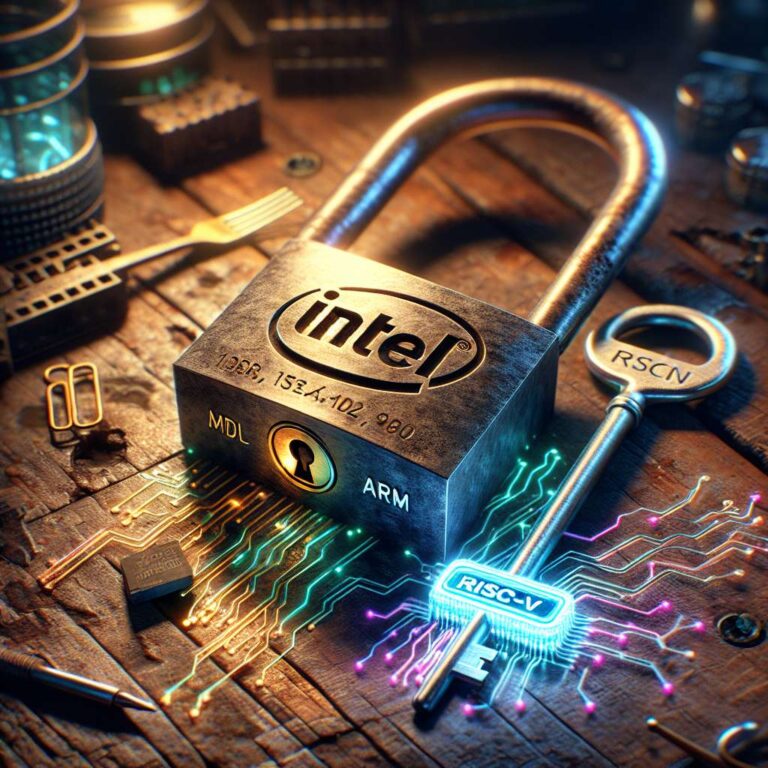
Nvidia has made a pivotal strategic announcement: its proprietary CUDA parallel computing platform will soon support RISC-V, the open source processor architecture. This landmark decision marks a break from traditional reliance on established CPU vendors like Intel, AMD, and ARM, introducing an era in which advanced Artificial Intelligence workloads could run on open-standards hardware without recurring licensing fees or legacy restrictions.
The move arrives as Nvidia dominates both financial headlines and European supercomputing, boasting a multi-trillion dollar market capitalization and providing tens of thousands of Grace Hopper chips for the powerful Jupiter supercomputer. By sidestepping the costs and constraints tied to conventional CPU architectures, Nvidia is positioning itself as the cornerstone of a new, more democratized computing paradigm—one where access to state-of-the-art Artificial Intelligence capabilities is broadened through open hardware ecosystems.
Industry analysts see this pivot as a clear threat to Intel and AMD, who have historically profited from CPU licensing as artificial intelligence systems require CPUs to coordinate the work of Nvidia´s GPUs. With RISC-V, customers gain freedom from these licensing dependencies. Meanwhile, ARM faces a significant challenge to its relevance, particularly after Nvidia´s failed acquisition in 2021. The global ripple effects are profound: China, rapidly adopting RISC-V through technology giants like Alibaba, gains more technological self-sufficiency and potentially enhanced access to Nvidia´s solutions, even amid ongoing U.S. export controls. Ultimately, Nvidia is poised to preserve and even expand its dominance in Artificial Intelligence computing, maintaining its ecosystem advantage while reducing architectural entanglements with rivals.
The changes stand to benefit a broad swathe of stakeholders. Chinese firms advance their infrastructure, end users may access more affordable Artificial Intelligence systems, and Nvidia enjoys market growth and continued investor confidence. For traditional chipmakers, however, the risks are acute: without a compelling reason to pay for x86 or ARM licenses, customers could migrate en masse to open RISC-V platforms running CUDA, undercutting old revenue streams and potentially toppling longstanding industry hierarchies.