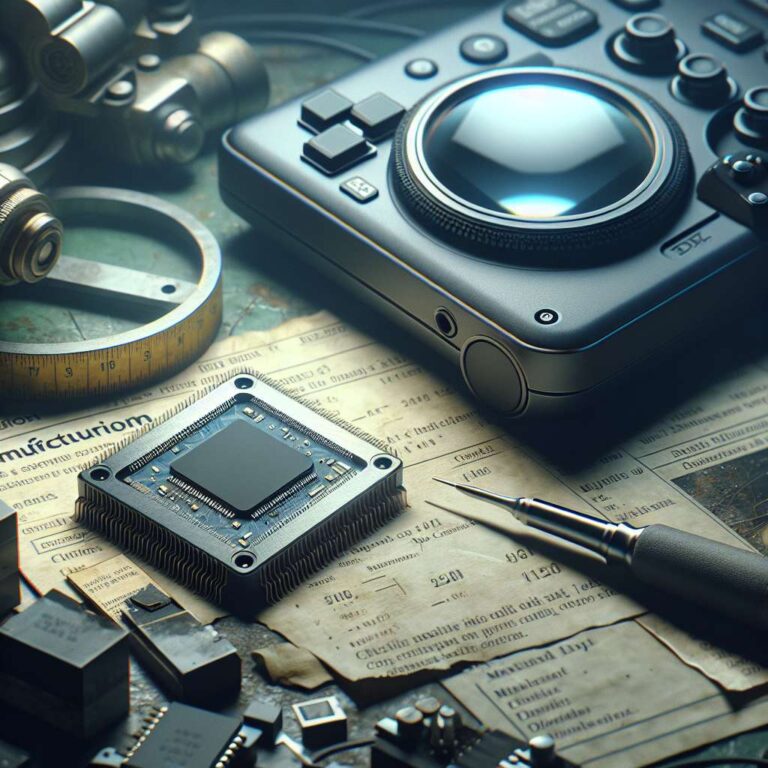
An alleged partial close-up of the Nintendo Switch 2´s chipset has surfaced online, credited to leaker Kurnal (@Kurnalsalts). The image supports widespread industry reports that Nintendo´s next hybrid console will utilize a custom NVIDIA Tegra ´T239´ system-on-chip—a detail already speculated since late 2024. Despite ongoing rumors that Nintendo might opt for an even more advanced processor, this leak appears to solidify the T239 as the hardware at the core of the upcoming console.
NVIDIA has issued statements confirming the Switch 2 will be equipped with a custom processor featuring an NVIDIA GPU, complete with dedicated Ray Tracing (RT) Cores and Tensor Cores. These components are aimed at delivering visually stunning graphics and leveraging Artificial Intelligence-powered enhancements, marking a significant step up from the original Switch´s capabilities. However, Nintendo representatives have remained tight-lipped on technical specifics, consistently deferring to NVIDIA on deep-dive questions throughout recent press engagements.
Tech communities, particularly on online forums like the Nintendo Switch 2 Subreddit, have been dissecting this die shot and connecting the dots to older data obtained from an earlier NVIDIA repository hack. While the die photo itself offers no groundbreaking new details, debate continues over which manufacturing technology underpins the chip. Some analysts, most notably Digital Foundry´s Richard Leadbetter, argue for an 8 nm DUV fabrication by Samsung, while others speculate it could be a more advanced 5 nm EUV process. Until an official teardown or further verified leaks emerge, speculation around the foundry and production node is likely to persist.