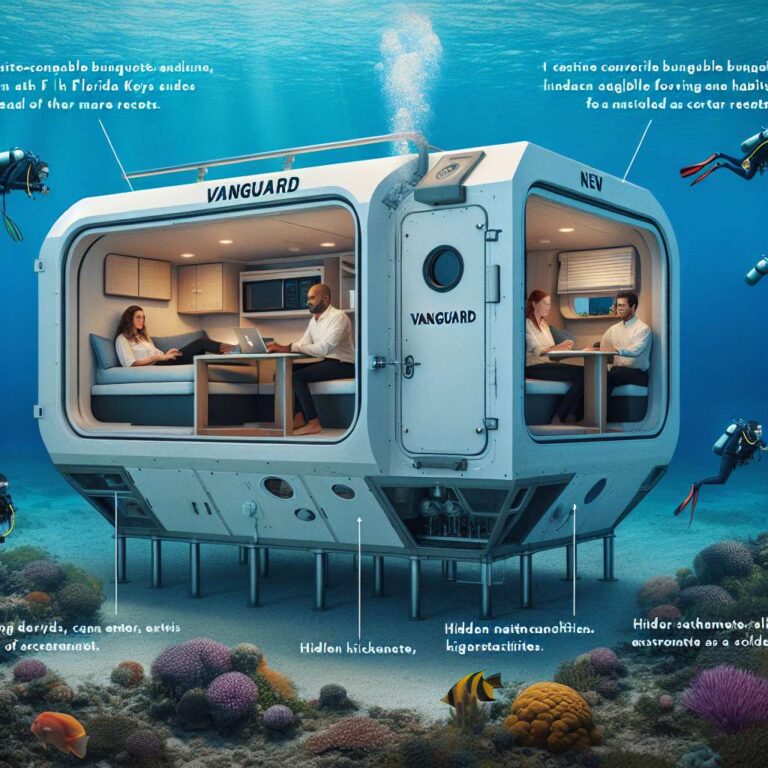
Vanguard, a compact subsea habitat described as feeling and smelling like a new RV, is set to be installed in the Florida Keys National Marine Sanctuary early next year. The interior includes long gray banquettes that convert into bunks, a concealed microwave, a steel sink, a French press and crockery, and a small toilet hidden behind a curtain. Once sealed and emplaced beneath the waves, Vanguard will be the world’s first new subsea habitat in nearly four decades and will host teams of four scientists who will live and work on the seabed for weeklong stints, entering and exiting the habitat as scuba divers.
The newsletter also covers developments in cloning after the revelation that Tom Brady’s dog Junie is a clone of Lua, a pit bull mix that died in 2023. Brady joins other celebrities who have used cloning, including Paris Hilton and Barbra Streisand. The piece notes that some observers argue cloning could be put to different uses, such as widening genetic diversity in inbred populations or potentially aiding efforts to rescue species at risk of extinction. The cloning coverage originally appeared in The Checkup, MIT Technology Review’s weekly biotech newsletter.
The must-reads roundup highlights several major technology stories. OpenAI is facing a wave of new lawsuits, including wrongful death complaints and claims that ChatGPT contributed to mental health crises. Tesla shareholders approved Elon Musk’s multi‑trillion dollar pay package, and the European Union is reportedly poised to water down the Artificial Intelligence act after pressure from big tech and the US government. Other items include reporting that scam ads generated roughly 10 percent of Meta’s revenue last year, the Chan Zuckerberg Initiative’s pivot toward curing disease through Artificial Intelligence, UNESCO’s new global standards on neurotechnology, a study questioning the reliability of Artificial Intelligence benchmarks, Kim Kardashian’s claim that ChatGPT harmed her law exam performance, Hyundai’s use of robot dogs in EV production, and another delay for Grand Theft Auto VI. The newsletter also features a story on using electromagnetic surveying to rediscover Indigenous earthworks in the American Midwest.