
NEO Semiconductor unveils first extreme high bandwidth memory for artificial intelligence chips

NEO Semiconductor launches X-HBM, the first memory architecture designed to meet surging artificial intelligence demands with record speed and density.

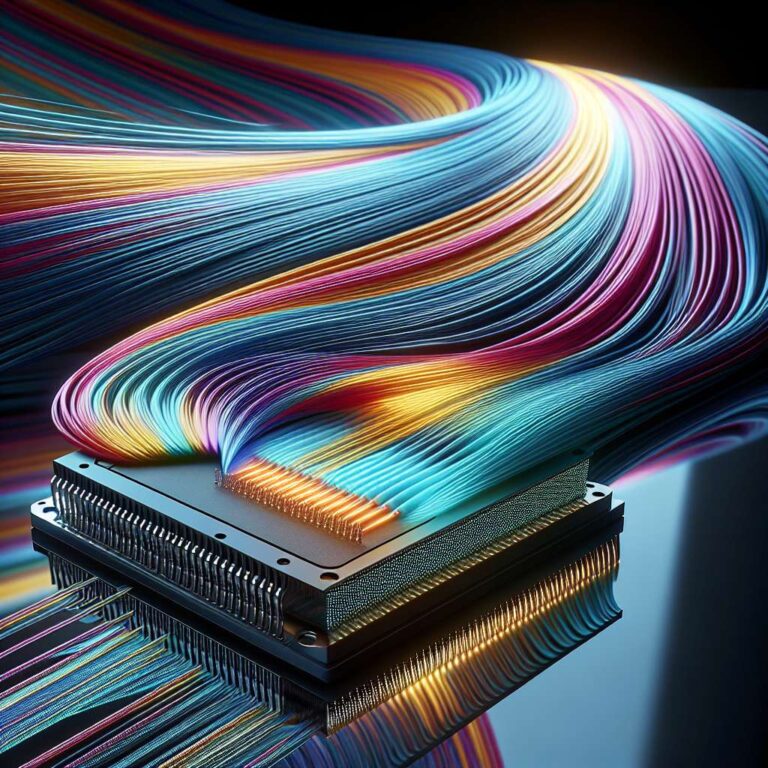
NEO Semiconductor has announced the introduction of Extreme High Bandwidth Memory (X-HBM), positioned as the world´s first memory architecture of its kind for artificial intelligence chips. The company describes this as a foundational breakthrough rather than an incremental improvement on existing high bandwidth memory (HBM) technology. Targeting generative artificial intelligence and high-performance computing scenarios, X-HBM aims to resolve the bottlenecks presented by earlier memory solutions.

X-HBM distinguishes itself through a 32,000-bit data bus architecture and the potential for up to 512 gigabits per die. According to NEO Semiconductor, these specifications yield performance outcomes with 16 times the bandwidth or 10 times the density of traditional HBM solutions, placing the technology well ahead of the established market roadmap. Andy Hsu, founder and chief executive officer, emphasized that this innovation could accelerate artificial intelligence infrastructure while also reducing energy consumption and enabling the scaling of artificial intelligence across multiple industries.

The demand for higher data throughput and memory density has escalated in step with more sophisticated artificial intelligence workloads and expanding high-performance computing requirements. X-HBM responds directly to these challenges, offering a technically robust path forward for chipmakers who are aiming to infuse their next-generation processors with unprecedented speed and capacity. NEO Semiconductor’s claims suggest that X-HBM could become foundational in the evolution of artificial intelligence hardware, not only enhancing performance but also delivering efficiency gains vital for sustainable large-scale development.
83

Impact Score

Nvidia and Dassault deepen partnership to build industrial virtual twins

Nvidia and Dassault Systèmes are expanding their long-running partnership to build shared industrial Artificial Intelligence world models that merge physics-based virtual twins with accelerated computing. The companies aim to shift engineering, manufacturing and scientific work into real-time, simulation-driven workflows powered by Artificial Intelligence companions.

Moltbot and the case for human agency as the core Artificial Intelligence guardrail

Moltbot’s viral rise highlights both the appeal of deeply personalized Artificial Intelligence agents and the rising need for users to assert their own agency, security practices, and governance. Human decision making and responsibility emerge as the decisive safeguard as open source agentic Artificial Intelligence systems gain system level powers.

Artificial Intelligence reshapes business visibility and accountability

Artificial Intelligence has shifted from a back-office productivity tool to a front-door interface that controls how organisations are discovered, interpreted, and trusted, creating new governance and accountability pressures. As search and decision-making move inside Artificial Intelligence systems, businesses must treat visibility, accuracy, and oversight as board-level issues rather than marketing concerns.

Contact Us

Got questions? Use the form to contact us.

Contact Form

Clicking next sends a verification code to your email. After verifying, you can enter your message.