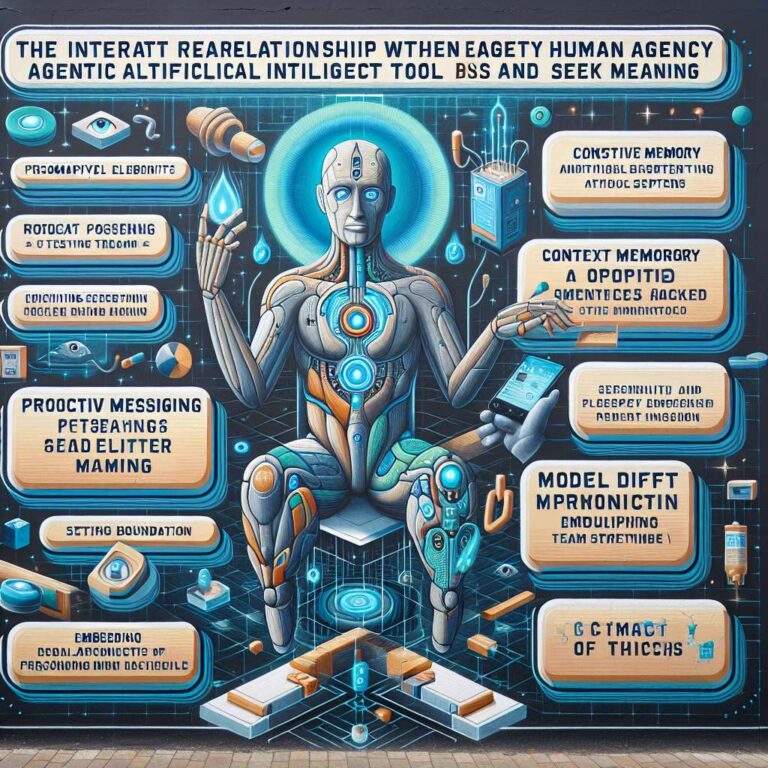
Moltbot, also referred to as Claudebot or OpenClaw, taps into a long running human impulse to create and anthropomorphize technology, echoing cultural touchstones from Pygmalion and Frankenstein to The Sims and modern internet culture. Its training on Reddit and the quasi spiritual reactions around it underscore how easily people project transcendence onto technical systems and how strongly they seek meaning and relationship in digital agents. Moltbot functions as a mirror for human behavior and beliefs, raising questions that will fuel both cultural analysis and cybersecurity scrutiny as practitioners evaluate what it reflects back and how it can be abused.
The system’s appeal builds on several converging trends in Artificial Intelligence applications rather than on novel model breakthroughs. Like the iPhone, the fundamentals that came together in a novel, breakthrough approach were not necessarily new, but they shifted focus from model benchmarks to services that largely neutralize model identity. Moltbot extends existing messaging centric interfaces by proactively messaging users, instead of waiting for people to “check back,” and it lives in familiar channels such as Slack, WhatsApp, and workplace chat tools where human coworkers already operate. Improved personalization and memory make conversations feel continuous instead of like “50 First Dates,” while private GPT style setups and avatar chatbots trained on years of personal writing contribute to the sense of collaborating with a teammate rather than a program. As a result, Moltbot behaves like a democratized personal assistant or “cruise director” for life, proactively organizing attention, scheduling, and tasks in ways once reserved for rock stars and executives.
Alongside these benefits, the spread of open source agentic Artificial Intelligence intensifies longstanding risks around governance, security, and human agency. Large language models remain probabilistic and vulnerable to prompt injection, data poisoning, and model drift, and they cannot reliably distinguish between legitimate instructions and malicious prompts hidden in benign fields. Because a technology that can be incredibly powerful only if given full system access can be incredibly powerful against users and their systems, the guidance is to set strict limits in advance and mandate that agents check back before taking actions outside predefined guardrails. Cybersecurity professionals warn that users must secure systems, data, API keys, and tokens while treating current tools like defensive driving on a motorcycle in a third world country without a helmet until agentic security controls and governance mature into off the shelf solutions. Above all, being your own billion dollar, one person company with a personal assistant means owning the quality of your ideas, your critical thinking, and your technical ability to expand and secure your setup, with human agency positioned as the ultimate guardrail around powerful Artificial Intelligence agents.