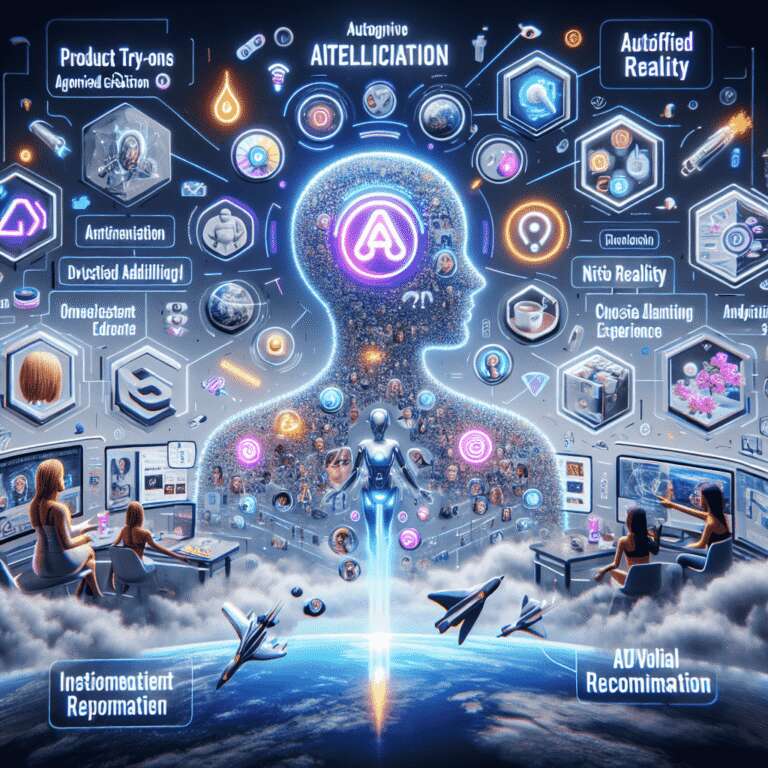
As the social media landscape evolves toward 2025, Meta is prioritizing the integration of Artificial Intelligence to redefine how users and creators interact on its platforms. While experts caution against expectations of independent machine intelligence, the measured impact of generative Artificial Intelligence is clear, especially in marketing and content creation. Meta is investing heavily in tools that facilitate AI-driven content, with a particular emphasis on automating imagery and providing assistance for creators engaged in its social network ecosystem.
Alongside traditional improvements, Meta plans to roll out new augmented reality experiences accessible through its core apps, offering features such as product Try Ons and interactive AR-based furniture placement. For users invested in virtual reality, the company is exploring hybrid VR and non-VR gaming experiences, advances in digital avatars, and expanded avatar interactions, all designed to blur the lines between online and offline engagement. These projects signal Meta’s intention to offer deeper digital integration, even for those not using VR hardware.
Video remains at the heart of Meta’s engagement strategy. Capitalizing on the success of short-form video, the company will boost AI-powered recommendations—most notably through Reels—aiming for increased user engagement and more sophisticated content suggestions. For advertisers, Meta’s Advantage+ Artificial Intelligence-powered systems continue to outperform traditional ad targeting methods, harnessing in-app performance data and enhanced algorithms to optimize campaigns. Looking forward, both content creators and advertisers are expected to benefit from more efficient, generative Artificial Intelligence tools that streamline creative, targeting, and budgetary processes. These initiatives reinforce Meta’s commitment to innovation, signaling a future where advanced Artificial Intelligence, AR, and VR technologies drive content and market engagement across its platforms.