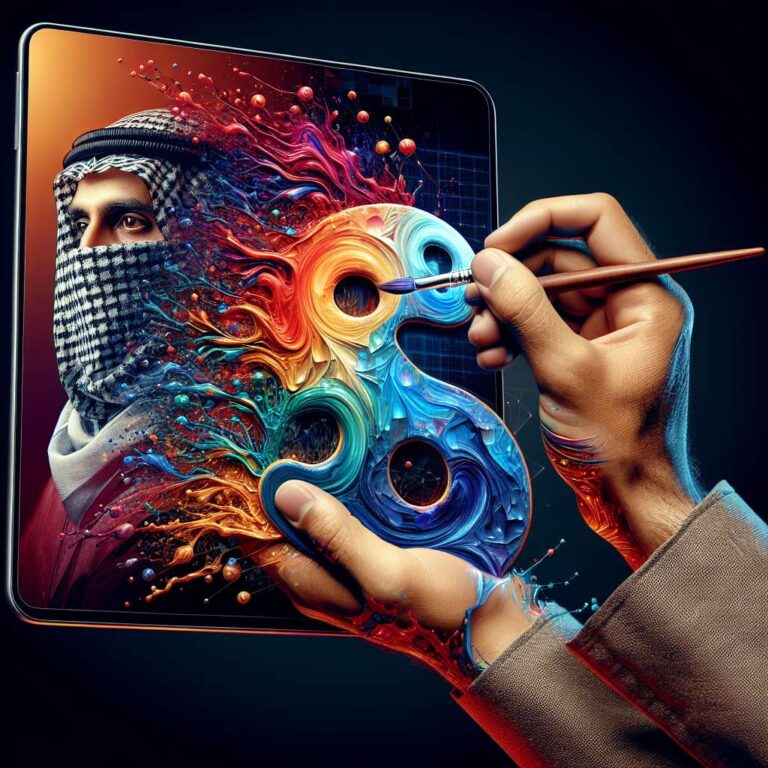
Meta announced a comprehensive suite of generative Artificial Intelligence advertising tools and strategic platform expansions on June 17, 2025, during the Cannes Lions International Festival of Creativity. Building on the momentum of current machine learning offerings, Meta introduced robust enhancements including brand-aware text and image generation, dynamic multi-scene video creation, and advanced user engagement features. Notable voices from the ad industry, such as adQuadrant, Dentsu, and WPP Media, endorsed the tools for improving both creative efficiency and campaign effectiveness, pointing to quantifiable gains like higher returns on ad spend and reduced cost per lead.
Among the headline features, advertisers now gain access to branding tools that embed logos, custom colors, and fonts within automatically generated advertisements, maintaining brand coherence across Meta´s ecosystem. The Artificial Intelligence integrates data from a brand´s prior campaigns, website, and assets from platforms like Shopify to forge visually consistent creative at scale. Meta´s Advantage+ campaign suite and backend improvements, such as GEM, already yield performance lifts of up to 22% in return on ad spend and 5% in conversions—these new innovations extend such gains even further, especially for enterprise marketers seeking personalization and agility.
Simultaneously, Meta showcased upgraded generative video tools capable of transforming static images into multi-segment videos, complete with text overlays and music. New Video Highlights help audiences rapidly navigate core segments of video ads, increasing engagement. Business Artificial Intelligence-powered ad testing now extends across Instagram and Facebook Stories and Reels, facilitating frictionless communication between consumers and brands through direct chat or experimental voice prompts in select cases. Experimental features like Creative Sticker call-to-action buttons and virtual try-on for apparel brands provide personalized, interactive shopping experiences, supporting a more informed purchase journey.
In a major strategic move, Meta began consolidating detailed targeting categories and introduced value optimization tools, aiming to simplify advertiser workflows while maximizing campaign impact. These operational changes take effect in phases through 2025 and early 2026, with ongoing guidance for affected campaigns. The company also unveiled its first significant advertising expansion for WhatsApp, rolling out status ads, promoted channels, and paid subscriptions to tap new revenue streams. These innovations, combined with steady platform ad impression and pricing growth reported for late 2024, position Meta as a leader in automated, Artificial Intelligence-driven advertising. Industry analysts suggest this broad generative push squarely positions Meta against key competitors, with an emphasis on scalable creative production, data-driven personalization, and measurable business results for advertisers worldwide.