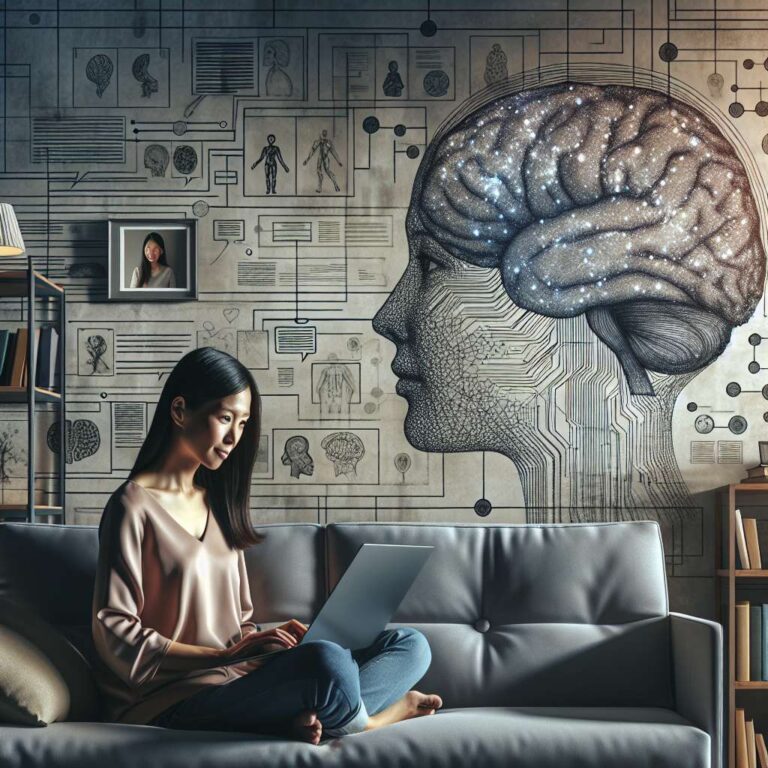
In the rapidly evolving intersection of machine learning and neuroscience, a series of studies highlight the transformative impact of artificial intelligence on brain research, psychology, and healthcare diagnostics. Researchers are now using generative models to create digital avatars—sometimes called ´generative ghosts´—that can simulate real-time conversations with deceased loved ones. These avatars move beyond static memorials, offering evolving, memory-rich interactions that change how individuals experience grief and memory. Meanwhile, the use of explainable artificial intelligence has enabled scientists to pinpoint exact words and language patterns tied to personality traits, making model predictions more transparent and rooted in established psychological frameworks.
Beyond the realm of emotions and memory, machine learning is exposing striking differences between human cognition and artificial learning. One study reveals that children’s multisensory and socially driven approaches to language acquisition far outpace even the most powerful deep learning systems, which primarily depend on passive data absorption. Other research demonstrates how the human brain excels at instantly recognizing possible actions in an environment—like walking or climbing—a task that remains elusive for current algorithms. Insights into the brain’s handling of affordances and reward timing are also redefining the design of neural networks and motivational architectures.
The application of artificial intelligence is proving invaluable for practical medical needs. New diagnostic systems now use smartphone cameras and cloud computation to detect complex eye movement disorders from home, dramatically dropping costs and increasing accessibility compared to traditional clinic-based approaches. Machine learning models are also offering nuanced predictions about cognitive performance, mapping brain activity linked to mental health, and identifying risk factors for behavioral issues from prenatal and early life data. Despite the promise, studies caution that artificial intelligence chatbots still struggle with reliably flagging psychiatric medication side effects, underlining the importance of robust human oversight. Collectively, these advances point to a future where neuroscience, psychology, and medicine are deeply intertwined with the cutting edge of computational intelligence.