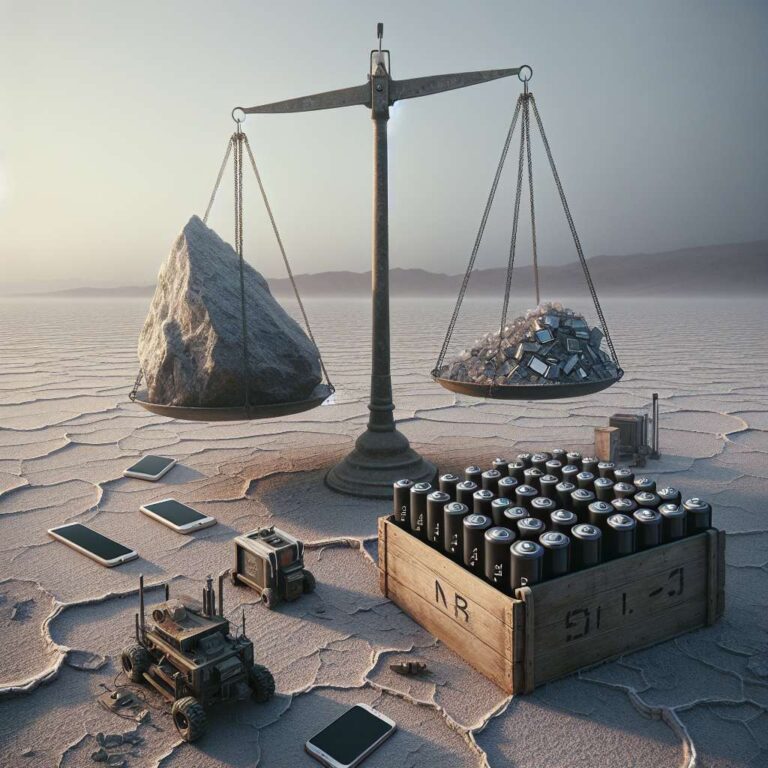
On Utah’s Great Salt Lake, Lilac Solutions is piloting technology it says could reshape how the United States sources lithium. The startup’s test site sits against an otherworldly landscape while it races to commercialize a less environmentally damaging way to extract lithium from rocks. The company argues that if the approach pans out, it could boost domestic production at a pivotal time and help the country wrest more control of the so-called white gold supply chain from China. The stakes are high as demand for electric vehicle and grid batteries accelerates.
OpenAI’s new video app Sora is generating buzz and questions in equal measure. Released last week, Sora offers an endless stream of exclusively Artificial Intelligence-generated clips up to 10 seconds long. Users can create a hyperrealistic “cameo” that mimics their appearance and voice and, with permissions, insert other people’s cameos into their own videos. The app quickly hit number one on Apple’s US App Store, but its explosive growth raises unresolved issues: whether the momentum is sustainable, whether OpenAI can afford the costs at scale, and how soon copyright challenges might land over training data and output.
In batteries, HiNa Battery Technology is pushing sodium-ion cells toward commercialization. With most batteries today built around lithium and global demand surging, sodium is reemerging as a compelling alternative. After decades in lithium’s shadow, sodium-ion research is getting a second chance, and HiNa aims to bring the chemistry into the mass market. The company features on a list of climate tech firms to watch, underscoring how diversification of chemistries could reshape supply chains and costs.
Today’s must-reads highlight shifting currents across tech: OpenAI struck a multiyear chip deal with AMD as it also partners with Nvidia; the US Supreme Court declined Google’s bid to pause app store changes tied to Epic’s case; OpenAI is letting people use some apps directly within ChatGPT as it seeks to become a universal portal; Deloitte’s Artificial Intelligence-generated report for Australia contained hallucinated errors; three researchers won the Nobel prize in medicine for identifying an immune cell that helps prevent the immune system from attacking itself; Russians are using Artificial Intelligence to create memorial videos for war dead; hopes for greener air travel face headwinds as hydrogen planes remain distant; job seekers are trying to game Artificial Intelligence résumé screeners; the creator of the Friend Artificial Intelligence pendant leans into backlash; and Taylor Swift fans are pushing back on what they say are Artificial Intelligence-generated music videos.
The quote of the day comes from YouTuber Jimmy Donaldson, also known as MrBeast, who wonders what happens when Artificial Intelligence videos match traditional content in quality, and how that could affect millions of creators. One more thing: a growing body of books challenges the case for human space colonization, citing the daunting practical barriers, the harsh reality of off-Earth environments, and the toll on the human body. For a lighter lift, the comfort picks include a reconstructed million-year-old skull, a nostalgic playlist from the first Sims game, a postmortem for the stomp clap hey era, and tips on living well in tough times.